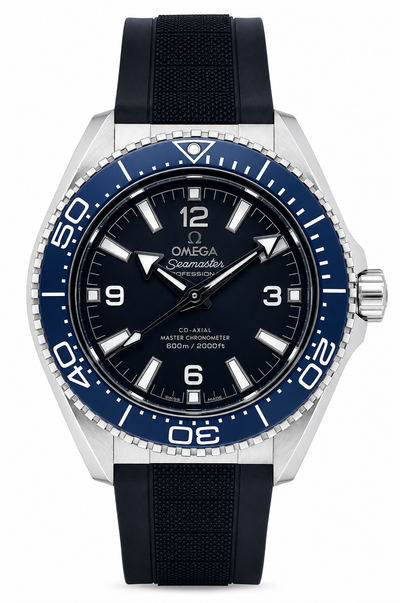
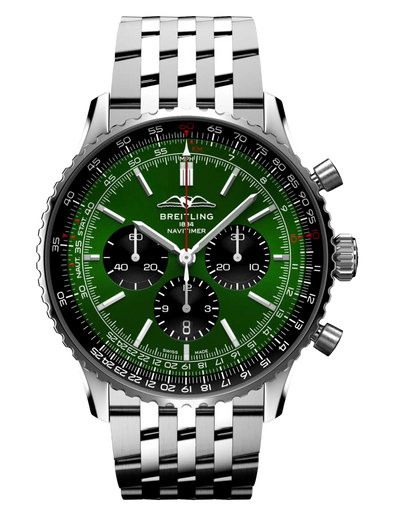
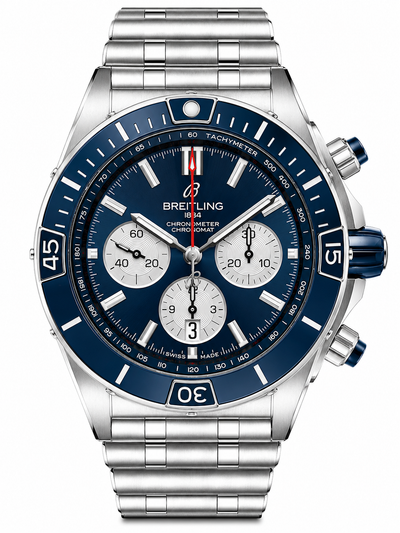
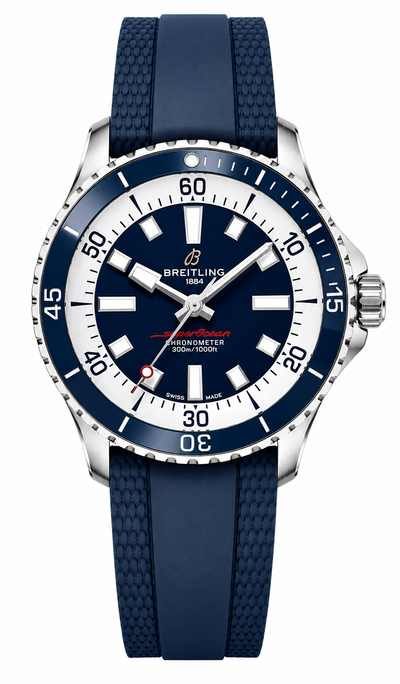
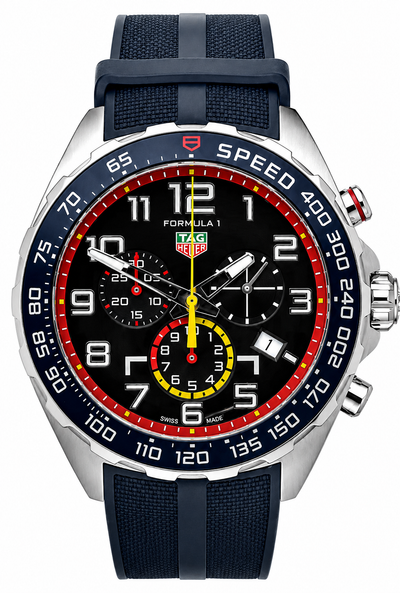
Titanium Watches for Men: Robust, Lightweight, and Stylish

Titanium has long since evolved from a niche material into the preferred case material for sophisticated men’s watches. This article provides a clear overview of the key advantages of titanium watches for men. The metal – also referred to as titanium in the specialist literature – offers the highest strength-to-density ratio of all metals and, at the same volume, is around 42 percent lighter than stainless steel. This lightness is noticeable the moment the watch is first put on and remains a genuine argument for the material throughout the day.
What sounds technical at first glance becomes apparent immediately in everyday wear: with large case diameters from 42 mm, which dominate today’s men’s watch market, the lower weight fundamentally changes wearing comfort. The advantages of titanium watches also include anti-magnetism, freedom from nickel and a natural protective layer against corrosion – properties that make titanium watches particularly well suited to daily use and everyday life.
Key points at a glance
-
Significantly lighter: Titanium is around 30 to 40 percent lighter than stainless steel with comparable hardness
-
Nickel-free and skin-friendly: The material does not trigger contact allergies and is also suitable for sensitive skin
-
Natural corrosion protection: Titanium forms a stable oxide layer and requires no additional coating
-
Ideal for mechanical movements: The low case weight makes large automatic movements noticeably more comfortable on the wrist
What makes titanium special as a watch material?
Titanium is a transition metal with the atomic number 22. As a case material for wristwatches, it is used in various grades of purity and alloys – from pure Grade 2 titanium for lightweight everyday watches to high-strength Grade 5 titanium alloys (Ti-6Al-4V), which are used in high-performance sports watches and dive watches. Renowned watch manufacturers such as IWC, Seiko and Breitling have been using the material in their most demanding models for decades – an indication of how established titanium has become in the watch industry.
Why is titanium lighter than stainless steel?
Titanium has a density of around 4.5 g/cm³, while stainless steel (316L) comes in at about 7.9 g/cm³. With an identical case volume, a titanium case is therefore almost half as heavy. In practice, this means that a chronograph with a 44 mm titanium case and a steel bracelet can still feel significantly lighter than a pure stainless steel model with classic proportions.
Is titanium prone to scratches?
Titanium is naturally softer than hardened stainless steel, which generally makes it more susceptible to fine surface scratches. Brushed or satin-finished surfaces, however, conceal these signs of wear considerably better than polished surfaces – which is why many titanium watches deliberately use matte surface concepts. Manufacturers aiming for maximum scratch resistance combine titanium with hard coatings such as DLC (Diamond-Like Carbon) or titanium carbide, which raise surface hardness to sapphire level.
Who are titanium watches suitable for?
Titanium watches for men are particularly suitable for wearers of large timepieces who are bothered by the weight on the wrist, as well as for anyone with nickel allergies or sensitive skin. Wearing comfort is not a side issue here: anyone who wears a wristwatch for many hours every day quickly notices the difference compared with stainless steel. In addition, many collectors deliberately choose titanium versions of well-known men’s watch models because they prefer the sober, technical aesthetic of the material to the classic brilliance of polished steel.
Titanium vs. stainless steel: a direct comparison
Both materials dominate the wristwatch market – but they set different priorities. The following table shows the most important differences at a glance:
|
Property |
Titanium |
Stainless steel (316L) |
|---|---|---|
|
Density |
~4.5 g/cm³ |
~7.9 g/cm³ |
|
Weight (relative) |
~40–50 % lighter |
Reference value |
|
Hardness (surface) |
Lower (untreated) |
Higher |
|
Corrosion resistance |
Very high (natural oxide layer) |
High |
|
Biocompatibility |
Nickel-free, skin-friendly |
Contains nickel |
|
Machinability |
More complex, higher production costs |
Well established, lower cost |
|
Appearance |
Matte, technical, grey-silver |
Glossy, classic |
|
Scratch behaviour |
More susceptible (untreated) |
More robust |
|
Value for money |
High, especially in the mid-range segment |
Solid basis |
Titanium watches offer particularly good value for money in the mid-price segment: anyone looking for a wristwatch for everyday life – for sport, travel or the office – will find in titanium a solution that meets most requirements better than stainless steel. For classic dress watches, where the high-gloss mirror effect of steel is part of the overall look, stainless steel remains relevant in terms of design.
Mechanical titanium watches: craftsmanship in a lightweight case
The combination of a mechanical movement and a titanium case is more than a technical decision – it fundamentally changes how a watch feels on the wrist. An automatic calibre with 25 jewels, a power reserve of 40 to 72 hours and an automatic rotor sits noticeably more balanced on the wrist in a titanium case than in a heavier steel case. This is particularly evident with wristwatches over 42 mm in diameter.
What speaks in favour of a mechanical calibre in a titanium case?
A mechanical movement consists of several hundred precisely manufactured and hand-regulated individual parts. The energy does not come from a battery but from a pre-tensioned mainspring which, in an automatic movement, winds itself through the motion of the rotor as the watch is worn. The result is a men’s watch that never needs a battery change and, with regular servicing – recommended every five to seven years – lasts for decades and tends to gain rather than lose value. The longevity of high-quality titanium watches is a decisive advantage over lower-priced products.
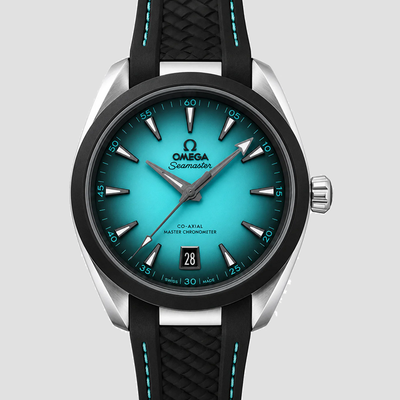
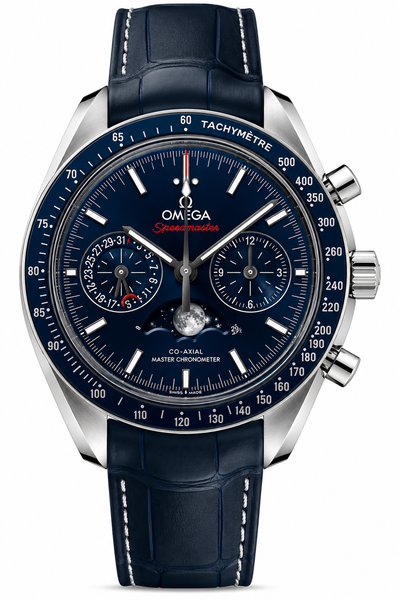
High-quality calibres such as Co-Axial movements reduce friction between the escapement components and extend service intervals. In a titanium case, this creates a combination that unites the technical ambition of the material with the craft heritage of mechanical watchmaking.
Quartz in titanium cases
Quartz calibres in titanium cases are also widespread – particularly in robust sports watches, dive watches and radio-controlled solar watches, where accuracy to within seconds is required. Radio-controlled watches automatically synchronise their display with the atomic clock via radio signal and are therefore accurate to the minute. Citizen additionally sets its own standard with Eco-Drive technology: solar energy completely replaces the battery, making titanium watches in this category particularly low-maintenance. However, quartz is not regarded by connoisseurs as an equivalent everyday alternative to the mechanical men’s watch.
Design, dial and strap options for titanium watches
Titanium is not only a functional material but also one with a distinct design character – an aspect that is often underestimated when buying titanium watches for men. Many titanium watches feature a dial in anthracite, blue, black, silver or grey – colours that pick up on the technical nature of the case material and make the overall impression coherent. On most models the date is positioned at three or six o’clock; on chronographs, stopwatch displays complement the dial. There is also some choice in dial colour beyond the classic silver or black: blue and anthracite are currently among the most sought-after variants in the men’s watch segment.
Strap options at a glance
When it comes to choosing a strap, titanium watches for men offer two classic options. A titanium bracelet extends the material consistency of the watch and keeps the overall weight lower. A leather strap – preferably in brown or black – lends sporty titanium models a dressier touch and further improves wearing comfort for more sensitive skin. A note on fit: the lug width determines compatibility with replacement straps – for most titanium watches for men it is between 20 and 22 mm.
Well-known titanium watch lines for men
Several watch manufacturers have established titanium as a core element of their lines. Among the best-known models that consistently rely on titanium cases are:
-
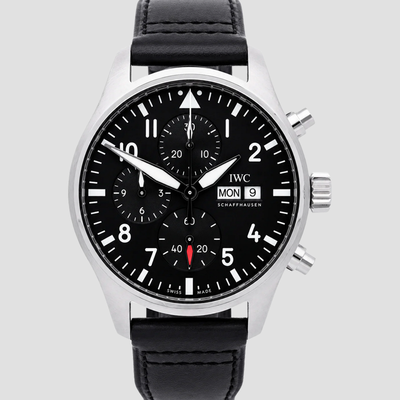
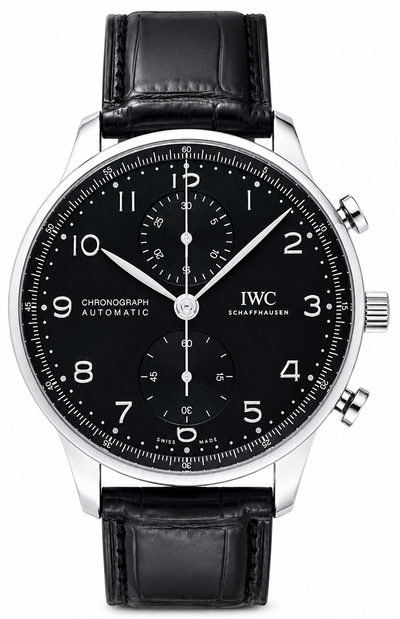
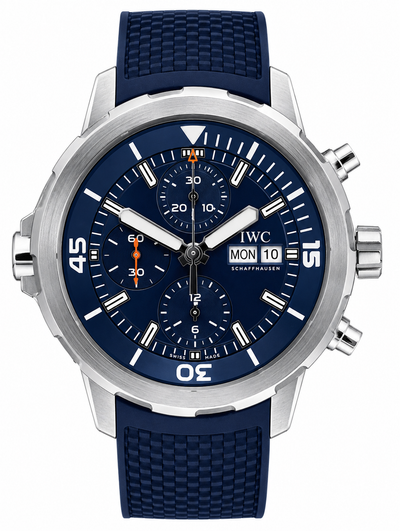
IWC Pilot’s Watch and Aquatimer in Grade 5 titanium with COSC-certified or in-house calibres
-
Seiko Prospex and Grand Seiko in titanium, including some of the lightest automatic watches in their class
-
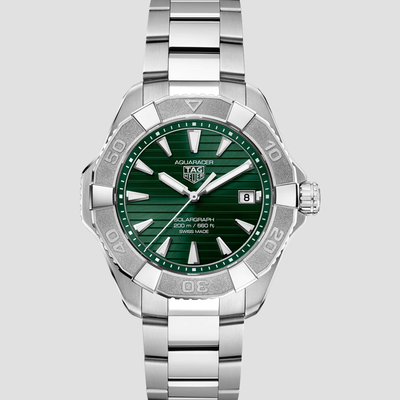
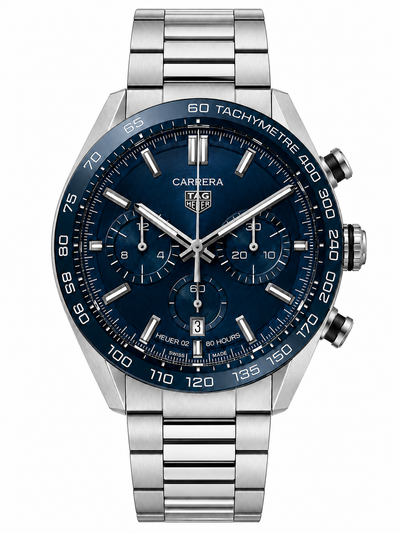
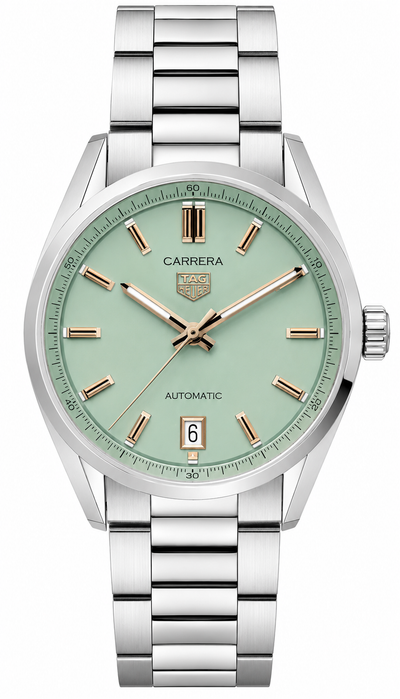
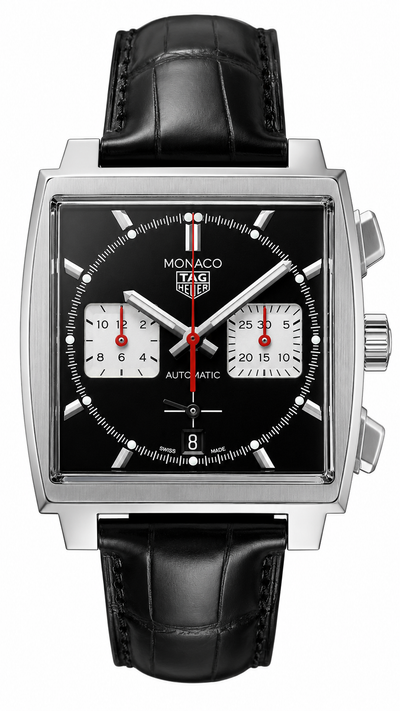
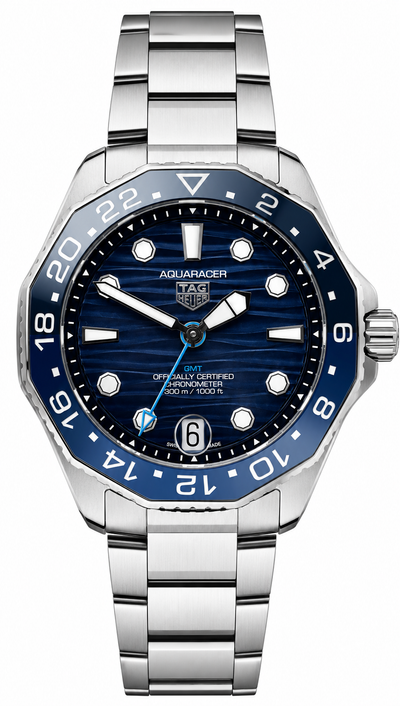
TAG Heuer Aquaracer and Carrera in special titanium versions with chronograph function
-
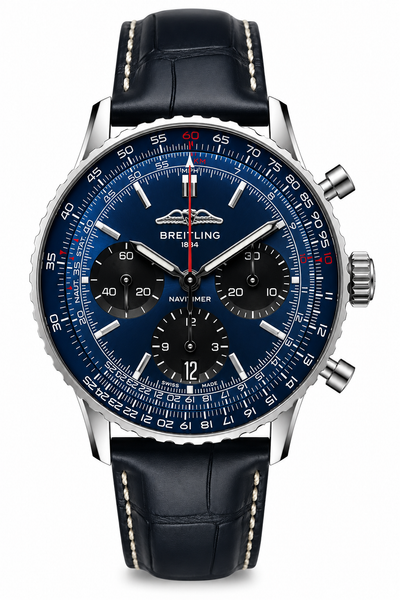
Breitling Avenger and Superocean with titanium cases for maximum diving robustness
-
Citizen Eco-Drive and Promaster with titanium solar models in the mid-price segment
The selection of men’s watches with titanium cases covers all price ranges and styles – as does the range of women’s wristwatches in titanium.
Price ranges: what does a good titanium watch for men cost?
The price of a titanium watch for men depends less on the material itself than on the calibre, the brand and the depth of finishing. The following table shows what quality and features can be expected in each price category:
|
Price range |
Typical features |
Representative brands |
|---|---|---|
|
up to €500 |
Quartz or solar, Grade 2 titanium, everyday suitability |
Citizen, Casio, Festina |
|
€500–1,500 |
Automatic or quartz, Grade 5 titanium, superior finishing |
Seiko, Tissot, Hamilton |
|
€1,500–5,000 |
Automatic, often in-house or ETA/Sellita, COSC certification possible |
TAG Heuer, Breitling, IWC (entry level) |
|
from €5,000 |
Manufacture calibres, complications, high-quality surface finishing |
IWC, Panerai, Zenith |
For an entry into mechanical titanium watches, the range between 500 and 1,500 euros is recommended – here, quality, tool-watch character and wearing comfort are already at a level that will provide years of enjoyment. Those with a somewhat larger budget get manufacture calibres with higher accuracy and more elaborate finishing.
Tips for buying titanium watches for men
When buying a titanium watch, it pays to look a little more closely at the specifications. The following points deserve particular attention:
-
Case material: Grade 5 titanium offers significantly more hardness than Grade 2 – for sports watches and an active everyday life, it is the better choice
-
Case diameter: Between 40 and 44 mm is the usual range for men’s wristwatches; slightly smaller diameters look dressier
-
Water resistance: At least 10 ATM for swimming, 20 ATM or more for diving
-
Movement: Automatic for collectors and connoisseurs, quartz or Eco-Drive for maximum everyday practicality
-
Dial and colour: Anthracite, blue and black harmonise best with the matte grey look of titanium cases
-
Strap: Titanium bracelet for overall consistency, leather strap for more dress-code flexibility
Care and maintenance of titanium watches
Titanium is low-maintenance – the natural oxide layer permanently protects the material against corrosion without any additional sealing. Warm water and a soft cloth are sufficient for daily care. An important note: seawater or chlorine should be rinsed off after contact, even though titanium is considerably more resistant to both than stainless steel or gold.
On brushed surfaces, fine scratches from daily use can be partially evened out with a soft polishing cloth and a little patience – working in the direction of the original brushed structure. Polished surfaces should be left to professional watchmakers, as improper re-polishing permanently alters the sharpness of contours.
Regarding water resistance: the stated ATM values refer to the case and the crown – regular checking of the seals is advisable even with robust titanium models, especially if the watch has been exposed to temperature fluctuations.
The movement itself – especially in the case of mechanical calibres – requires a professional service every five to seven years: cleaning, re-lubrication and regulation. Titanium cases make disassembly and cleaning easier, as the material does not form corrosion residues.
Conclusion
Titanium watches for men combine material-technical superiority with a clear aesthetic stance: less weight, more wearing comfort and a consistently modern appearance. Titanium is not a passing trend but a well-considered choice of material that watch manufacturers such as IWC, Seiko and Breitling have been using in their most demanding men’s watches for decades. Anyone looking for a titanium watch for everyday life – for sport, at the office or when travelling – will find in titanium wristwatches a solution that surpasses stainless steel in most practical categories. Combined with a mechanical calibre, the result is a timepiece that convinces both technically and in terms of craftsmanship.
FAQ – Frequently asked questions about titanium watches for men
How much lighter is a titanium watch compared with stainless steel?
Depending on wall thickness and model, a titanium case is around 30 to 50 percent lighter than an identically constructed stainless steel case. With large wristwatches with diameters from 44 mm, the difference is most noticeable – often several grams, which add up over a long day of wear.
Are titanium watches suitable for allergy sufferers?
Titanium is nickel-free and is considered one of the most skin-friendly metals of all. It is used in medicine for implants and prostheses and causes virtually no reactions even on sensitive skin. For wearers with a nickel contact allergy, titanium is clearly preferable to stainless steel.
Does titanium scratch more easily than stainless steel?
Untreated titanium is softer on the surface than hardened stainless steel and picks up fine scratches more easily. Brushed or sandblasted surfaces make these marks less visible than polished surfaces. Hard coatings such as DLC or titanium carbide can significantly increase surface hardness.
What is Grade 5 titanium and how does it differ from Grade 2?
Grade 2 titanium is commercially pure titanium with high corrosion resistance and good workability – it is used for everyday watches and lighter sports models. Grade 5 titanium (Ti-6Al-4V) is an aluminium-vanadium alloy with significantly higher strength and hardness; it is found in high-quality sports watches, dive watches and professional tool watches.
Can a titanium watch be worn for as long as a stainless steel watch?
Yes – with proper maintenance, the service life of a titanium watch is at least equal to that of a stainless steel watch. Its corrosion resistance is even higher. The movement itself determines the longevity of the mechanical components more than the case material does.
Is a mechanical watch in a titanium case worthwhile, or is quartz sufficient?
A mechanical calibre in a titanium case is the more compelling combination for anyone who wants to own and wear a men’s watch for the long term. The mechanical movement works independently of a battery, is repairable and holds its value better. Quartz is recommended when precise timekeeping under extreme conditions – for example on dives or in aviation – is the most important requirement.
More from Buyer's Guide
All articles
Buyer's Guide Dress watch: Which watch goes with a suit – and which does not
Buyer's Guide Cartier Tank Alternative: The Best Rectangular Watches Compared
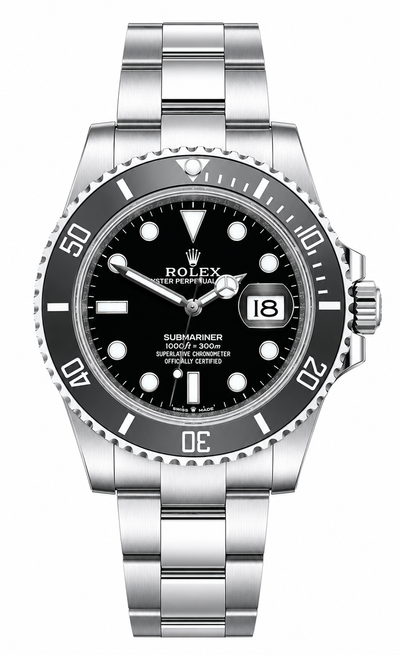
Buyer's Guide Rolex Alternatives: The Best Watches for Every Rolex Model