


Luxury watches in comparison – Breitling or Rolex?

When looking for a luxury watch, watch lovers can choose from a wide range of brands offering high-quality timepieces for women and men. Omega, Longines, Rolex, Patek Philippe, Breitling, A. Lange & Söhne, Vacheron Constantin – this list could go on almost endlessly. In this article, we focus on two of the most renowned Swiss manufacturers, Rolex and Breitling. Below, we subject these two giants of the watch industry to a detailed comparison. We shed light on their differences and similarities, take a close look at brand image, design and price level, and examine the best-known models of the two prestigious brands. In this way, we aim to provide prospective buyers with comprehensive information and support them in deciding between watches from Breitling and Rolex.
The key facts at a glance
These aspects are explained in more detail in this article:
-
History and innovation: Rolex and Breitling can both look back on a rich company history full of ingenious ideas, great achievements and memorable milestones. Their histories differ partly in the direction the brands took early on. While Rolex initially made a name for itself with the waterproof Oyster, Breitling focused on the development of chronographs from the very beginning.
-
Design and target groups: Watches from Rolex impress with a classic design that is sometimes sportier, sometimes more elegant, and thanks to their timelessness they never go out of fashion. Breitling strives for a look that is thoroughly characterised by sportiness and places a clear focus on a functional, all-round practical design.
-
Price and value development: Rolex timepieces have proven themselves as investments in the past and are considered extremely stable in value, which makes them particularly interesting for investors. Breitling models, on the other hand, tend to appeal to specialised collectors and aviation enthusiasts whose interest lies in highly functional chronographs.
History and development: Two icons compared
To understand what distinguishes a brand, it often makes sense to look at where it comes from and how it has developed. That is why we begin our comparison with a short journey to the roots and through the company history of Rolex and Breitling.
Rolex: Origins and milestones
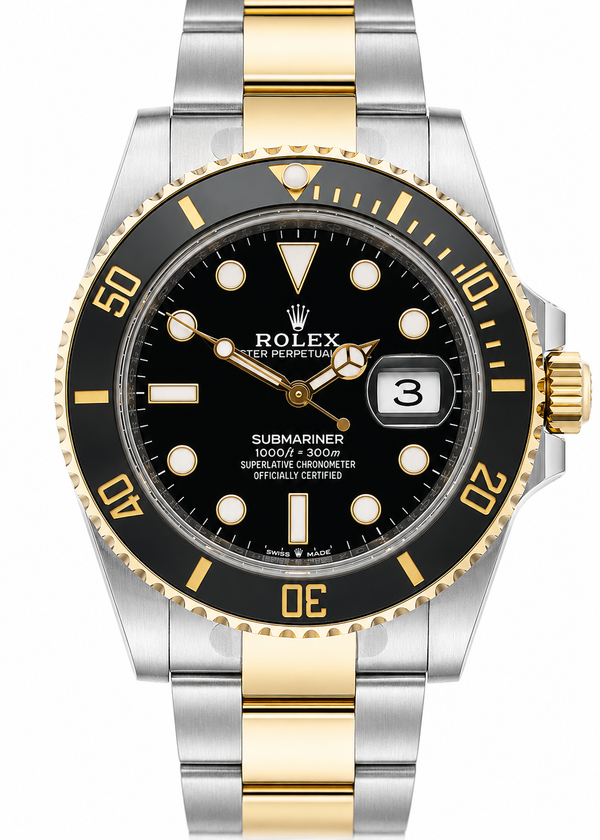
The traces of Rolex take us back to 1905. In that year, the company was founded by Hans Wilsdorf, initially under the name Wilsdorf & Davis. On the market as the Rolex brand from 1920, the company quickly established itself and caused a stir in 1926, for example, with the introduction of the Oyster as the first waterproof wristwatch. Especially in the field of dive watches, Rolex achieved numerous masterpieces over time, such as the Submariner, released in 1953, which remains one of the most coveted luxury watches of all to this day.
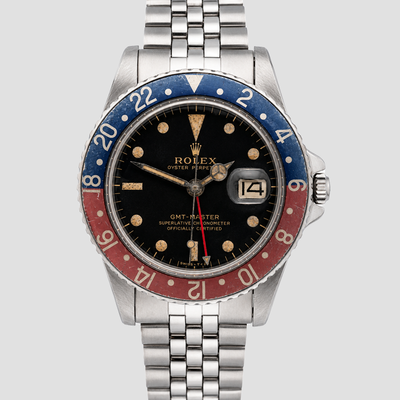
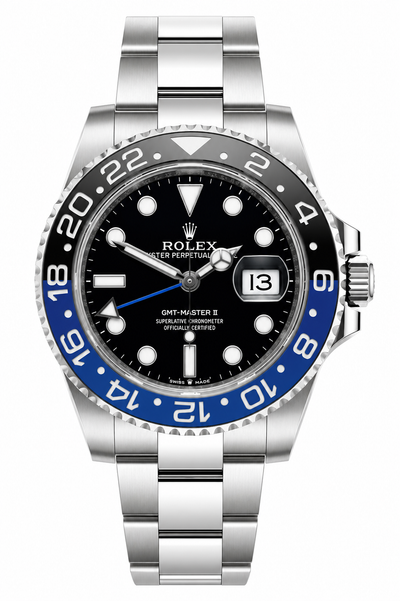
The major milestones in the company’s history naturally also include the development of the Perpetual movement, which was patented in 1931. In addition to the Submariner, Rolex produced a whole range of other iconic watches, such as the Day-Date, the Datejust, the GMT-Master II and the Daytona, and earned an impeccable reputation that still precedes the brand worldwide today.
Breitling: A journey through time
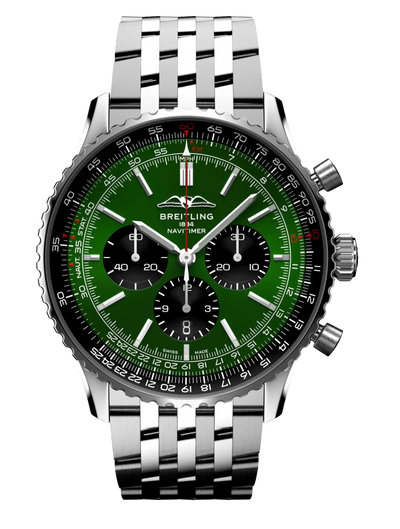
Founded in 1884 by Leon Breitling, Breitling is the older of the two watch brands and looks back on a history of almost 150 years. As early as the beginning of the 20th century, Breitling focused on the production of high-performance chronographs, with which the company supplied the Royal Air Force and, somewhat later, the US Army, among others. The models used by the military include, for example, the Breitling Chronomat with slide rule, which is recalled today by the legendary Breitling Navitimer collection.
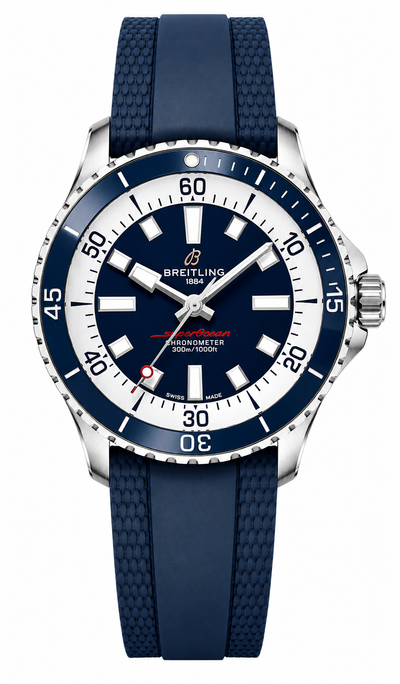
Even though Breitling essentially concentrates on pilot’s watches, the luxury brand’s product portfolio also includes the odd dress watch and dive watch. One example is the Breitling Superocean, which outshines the competition with its robustness and accuracy. It is not for nothing that the name Breitling stands for quality and precision as well as for diversity and an exquisite selection of highly functional models.
Brand philosophy and identity
Anyone who has held a firm place among the very greatest names in the watch industry for many decades has created a brand whose background, philosophy and identity inspire people over the long term. Let us take a look at the values and visions that shape Rolex and Breitling:
Rolex: Tradition and innovation
An important element of the “Rolex DNA” is its connection to sport. This was already evident in the company’s early years, for instance when the British professional swimmer Mercedes Gleitze was equipped with an Oyster for her remarkable attempt to swim across the English Channel. Rolex has always cooperated with great personalities from various branches of sport – be it deep-sea diving, motor racing or sailing – and thereby not least expresses its own aspiration to deliver peak performance and push the limits of what is possible.
In addition, Rolex succeeds in reconciling a spirit of innovation with an appreciation of tradition. The Swiss manufacture honours the traditional craftsmanship of watchmaking and clearly prefers classic, timeless designs, while the main focus of Rolex watches is certainly on their superbly crafted and enormously precise movements. At the same time, Rolex is by no means afraid to try new things and to live up to its pursuit of optimisation and progress with pioneering achievements.
Breitling: A passion for aviation
If you had to describe the Breitling brand in three words, luxury, performance and a love of aviation would certainly be well chosen. Breitling is founded on the business of high-performance chronographs for private individuals and professional pilots and has always been close to the aviation industry. No question: The watch brand, steeped in history, is probably the most renowned destination for anyone specifically looking for a pilot’s watch of the highest quality, and there is no doubt that a passion for aviation is at the very core of the Breitling brand.
Popular models in detail
The most interesting aspect of any comparison of watch brands is certainly the product range. Here, Rolex and Breitling each have numerous watches up their sleeves that enhance any luxurious collection:
Rolex
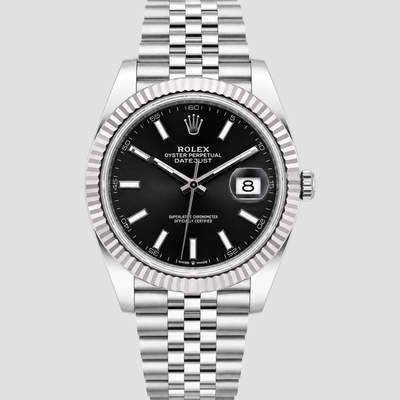
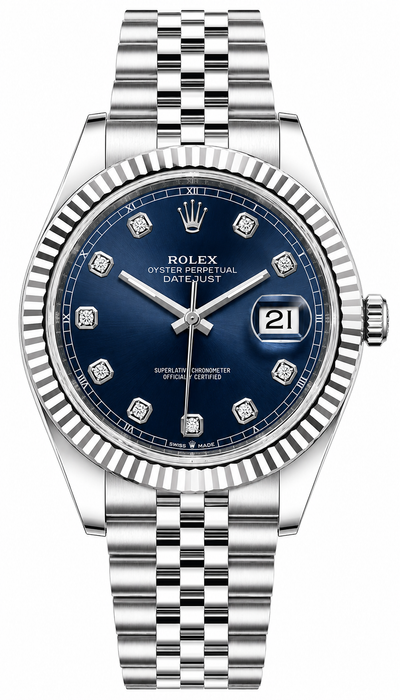
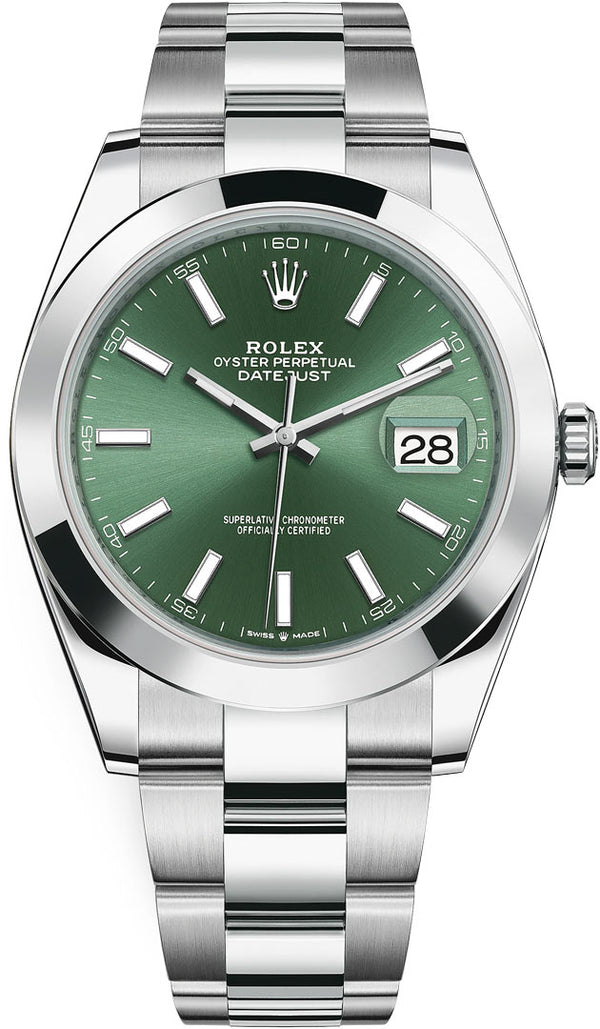
One watch that is inseparably linked with the Rolex name is the Datejust. The classic dress watch with date and Cyclops lens was once described by founder Hans Wilsdorf as the “pinnacle of watchmaking” and is available today in multifaceted versions – for example with a fluted or domed bezel, with a blue, green or gold dial and in stainless steel, gold or a bicolour design.
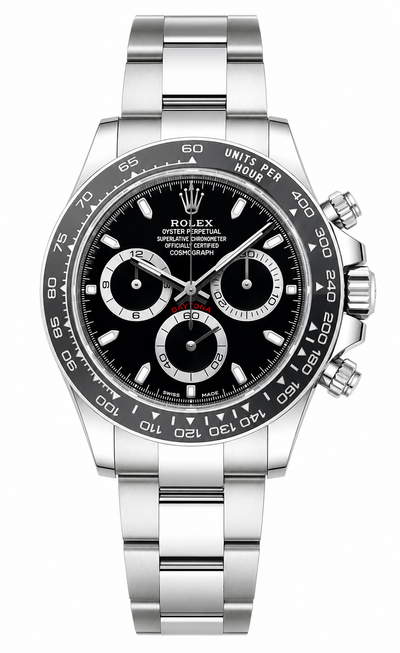
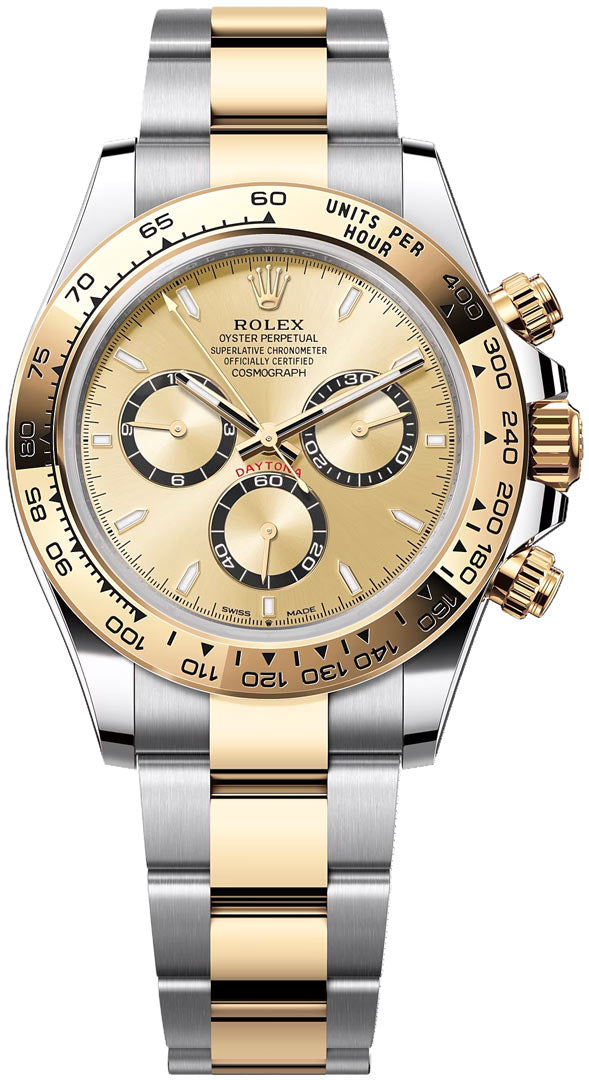
In the chronograph category, Rolex boasts, among others, the famous Daytona. This is a sporty watch with skilfully staged totalisers and the characteristic Daytona lettering on the dial. Particularly well known is the Rolex “Panda” model with a white dial and black totalisers, which once found its place on the wrist of racing legend Paul Newman.
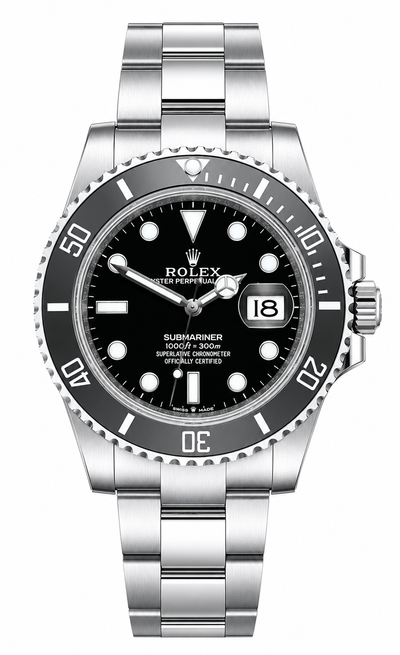
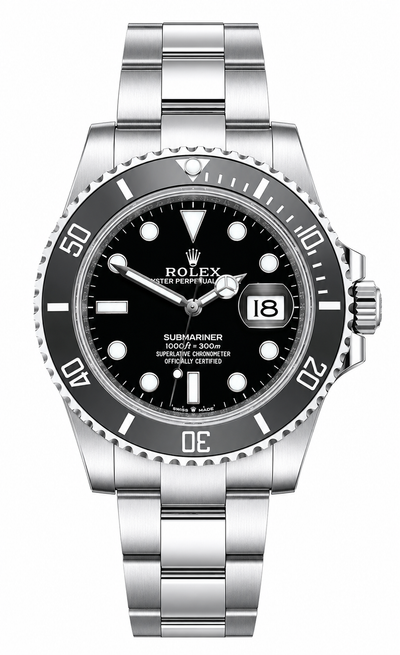
As an icon among dive watches, the Rolex Submariner naturally cannot go unmentioned here either. The robust watch, whose water resistance was gradually increased to 300 metres, laid the foundation for the development of further Rolex dive watches for professional divers, including the Sea-Dweller and Deepsea.
Breitling
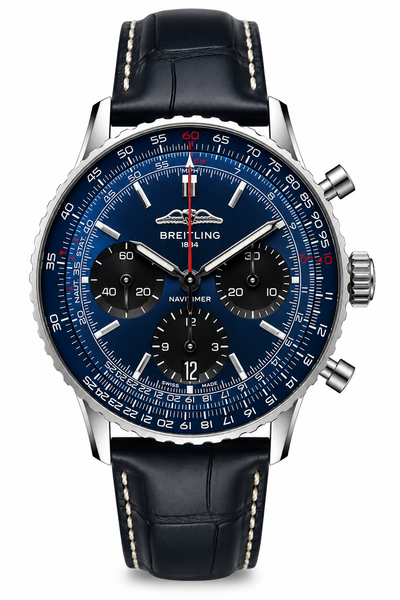
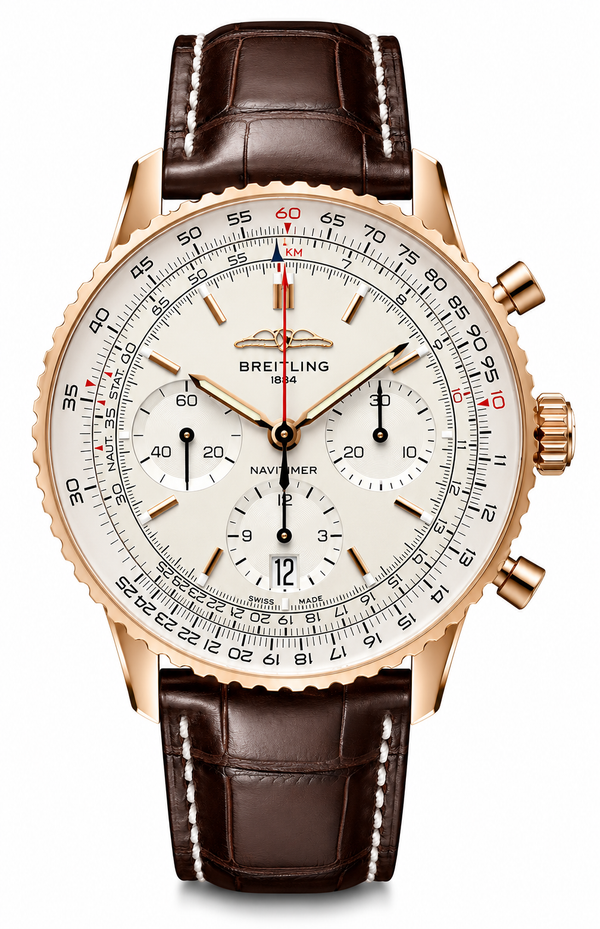
If you browse through Breitling’s selection of watches, your gaze is guaranteed to linger on the Navitimer. This pilot’s chronograph, originally designed for the Aircraft Owners and Pilots Association, impresses with its functional strength and an exceedingly elegant appearance.
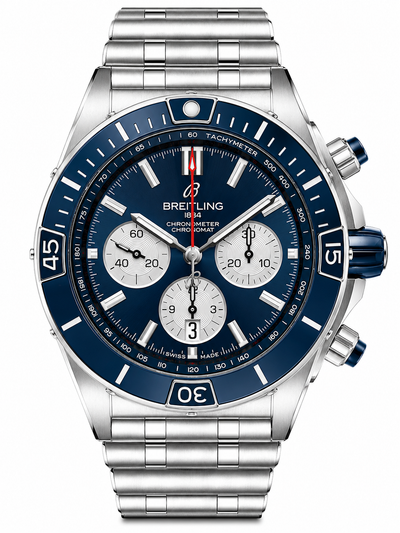
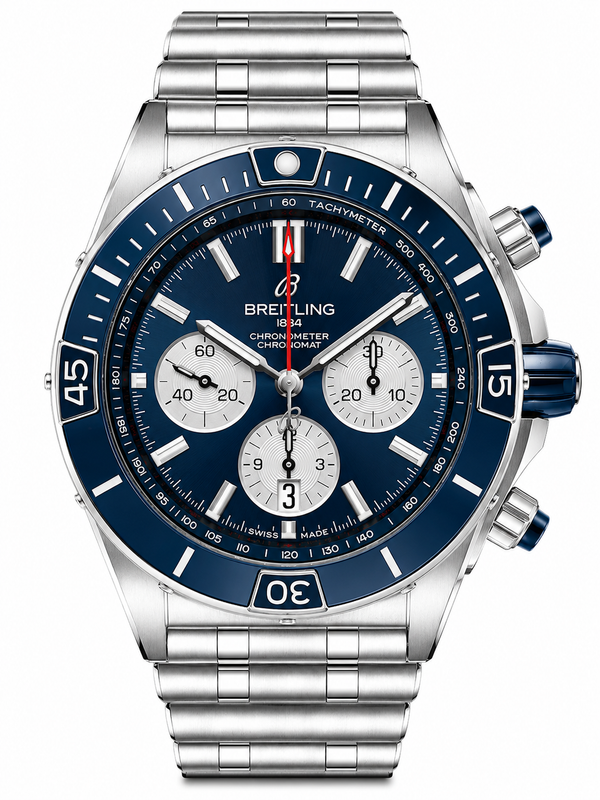
Appearing almost massive in direct comparison with the Navitimer model, the Breitling Chronomat represents the sporty, modern side of the company. Fans of generously sized cases and striking details will find great pleasure in this highly accurate watch, which was once commissioned by the Italian aerobatic team Frecce Tricolori to equip its pilots.
Despite the brand’s clear focus on chronographs, we would also like to introduce one of Breitling’s dive watches. The Breitling Superocean is, so to speak, the Breitling version of the Rolex Submariner and proves that the watch manufacturer can do more than “just” chronographs. The diverse Superocean collection includes several vividly coloured models as well as more discreet versions in muted colours.

Technical differences and innovations
There is absolutely no question that Rolex and Breitling operate at an extremely high technical level. On closer inspection, however, some minor differences become apparent. While Rolex relies entirely on calibres from its own production, Breitling occasionally resorts to movements from external manufacturers. A good example of this is the movement that drives the Breitling Superocean Heritage. Here, Breitling uses Tudor’s B 20 movement, which was specially adapted to the requirements of dive watches for the collection. Other Breitling models, such as the Navitimer watch, are equipped with in-house calibres and impressively demonstrate that Breitling is entirely capable of designing spectacularly precise quality movements.
Every expert in the field of luxury watches knows: When it comes to workmanship, hardly any manufacturer can hold a candle to Rolex. From the bezel and dial to the movement, case and bracelet, Rolex watches are high-quality works of art without any flaw. The high quality of workmanship and the love of artful detail, reflected in elaborate finishing, are immediately visible and tangible to every Rolex lover. The fact is, therefore, that Rolex is the undisputed number 1 when it comes to the workmanship of luxury watches. Nevertheless, Breitling models need not hide in this respect either. Whether in steel, gold or rose gold: All Breitling watches are solidly made and are considered durable and resilient for good reason.
Design and style: Which brand suits whom?
A watch that is worth investing money in must above all do one thing: Match the ideas, design preferences and individual wishes of the buyer. But who does a Rolex suit, and who should lean more towards Breitling?
Rolex
The typical Rolex watch corresponds to the classic style and impresses with its elegant timelessness. It combines the best qualities of an accurate timekeeping instrument and a refined accessory and certainly serves as a status symbol for the wrist that is recognisable as such at first glance. Anyone who wears a Rolex watch sees no need to conceal that they have put a great deal of money on the table for their timepiece, and owns a piece of jewellery that can be styled superbly for the most diverse occasions.
Not necessarily all, but a strikingly large number of Rolex watches work both as everyday companions with a casual look and with evening wear or a serious business outfit. Given the wide range of differently designed references that each collection comprises, almost everyone should be able to find a Day-Date, Datejust, Submariner or GMT-Master II that exactly matches their personal taste. The reason: Despite its always clearly recognisable classic, elegant aesthetic, Rolex loves to play with different material and design options. The Rolex range thus appeals both to friends of elegant understatement and to the watch fan looking for an exceptional, extravagant piece for their collection.
Breitling
If a sporty, functional chronograph is what prospective buyers long for, they should quite clearly look at Breitling first. Breitling Navitimer, Chronomat and the like offer concentrated functional strength that is immediately visible in the modern models. Depending on the variant and exact reference, the watches look 100% sporty at times, somewhat more delicate at others and sometimes almost glamorous, but they never lose their functional, practical character.
While many other brands on the market primarily design watches that look impressive, Breitling focuses on the practical added value that a watch can offer its wearer. This is reflected, among other things, in designs that ensure optimal legibility and uncomplicated handling. For many watch lovers, the reason for choosing a Breitling watch is accordingly the user-friendliness, everyday suitability and functionality of the products. However, this does not mean that a Breitling watch cannot also do an excellent job as pure adornment on the wrist. After all, Breitling watches are anything but unadorned and radiate a quality that wins over far more than just aviation enthusiasts.

Price and value development
When purchasing a watch, it is advisable to also look into the topic of price and value development. This applies in particular if you want to buy the watch as an investment. Rolex watches rightly have a reputation for being absolutely stable in value and, with a little luck, can be resold at a good profit. Coveted references from the Swiss manufacture are in far greater demand than the supply on the market can satisfy. This drives up prices on the secondary market and ensures that the lucky ones who managed to get hold of such a watch make a more than satisfactory deal. However, the sometimes poor availability also means that you may need a great deal of patience to be able to acquire the desired model.
All in all, Breitling watches are somewhat more affordable than Rolex timepieces in terms of list price and prices on the secondary market. Nevertheless, they clearly fall into the luxury watch category and cannot necessarily be described as bargains. As far as value stability is concerned, investors should not expect returns of “Rolex proportions” on average, but as a rule they can still assume that the value of an original Breitling watch will remain stable. After all, Breitling timepieces are also predominantly in good demand and can normally be resold without any problems and at an attractive price.
If you want to sell a watch from Rolex or Breitling, the realistically achievable price is determined by several factors. In addition to the reference, these include the condition and the presence of papers and the original box. It is therefore worth treating luxury watches with care and keeping their accessories safe.
Target group and popularity among collectors
On the surface, one could say that the famous Rolex models, such as the Daytona “Panda”, are likely to be of greater interest to collectors in general than most Breitling watches. Of course, this does not apply to absolutely all watch lovers. Collectors who are particularly interested in the practical use and functionality of timepieces and have a penchant for chronographs will reach for the Breitling watch without batting an eyelid. Investors who approach a watch purchase with the aim of a profitable resale in the future, on the other hand, tend to opt for Rolex watches. Whether Breitling or Rolex is the right choice therefore ultimately depends heavily on what purposes the timepiece is meant to fulfil and where the buyer’s priorities lie.
Which brand appeals more to the individual watch fan is also influenced in part by the celebrity wearers of the respective models. Breitling has won over Victoria Beckham, among others, cooperates with IRONMAN and advertised the Breitling Navitimer together with Charlize Theron. Among many others, Rolex counts Wimbledon champion Björn Borg and twenty-time Grand Slam winner Roger Federer as well as mezzo-soprano Cecilia Bartoli and director James Cameron among its brand ambassadors, cooperates with Formula 1 and has repeatedly provided the watch that action hero James Bond wore on his wrist during his adventures on the big screen.
Conclusion
Breitling and Rolex are two brands that can each look back on a long, successful history, offer a fairly broad range and enjoy great prestige in the watch industry. Differences lie above all in brand image, pricing and production focus, which at Breitling is clearly on chronographs, whereas at Rolex it is more broadly spread. Ultimately, both brands produce high-quality, high-performance and visually appealing timepieces, so the decision between Rolex and Breitling has to be made in the context of individual preferences and, not least, the budget.
More from Buyer's Guide
All articles
Buyer's Guide Buying an Omega Seamaster: Diver 300M, Aqua Terra, Planet Ocean and 300 Compared

Buyer's Guide Buying an IWC Ingenieur: 35 or 40 – References, Movements and Prices Compared
Buyer's Guide Rolex Batman, Batgirl and Bruce Wayne: The GMT-Master II Variants Compared


