


Tick Talk #5: How the luxury watch market will change by 2030
After the news about the expiring Rolex concessions, so many questions came in that they turned into a whole episode: how will the luxury watch market develop over the next five years? Christopher Fischer and Stefan Sebök go through the price segments, assess the position of specialist retail and say where they see certified pre-owned watches and artificial intelligence heading.
The following version is an edited transcript of the conversation. The full episode can be found further below.
40 jewellers are not 40 locations
The news from the previous episode triggered more reactions than any other topic before – from customers, acquaintances and above all via social media. One point is often overlooked: if around 40 jewellers lose their Rolex concession, that does not mean 40 shops. Large houses operate several locations, so the actual number of affected addresses in Germany is considerably higher.
Why Rolex in particular has such pull
Rolex is the brand everyone knows – the green, the crown, the models. What really matters, however, is something else: breadth. At Audemars Piguet, it is essentially the Royal Oak that carries the brand, plus the Offshore; other collections barely sell in retail. At Patek Philippe, it is the Nautilus and Aquanaut, while the classic calendar watches can be had from independent dealers below list price. At Rolex, by contrast, almost the entire collection sells, not just the sports models – even the Moonphase from the long-disdained Cellini line sold well.
The price segments through 2030
The assessment is deliberately sober: after the very strong years up to 2023, neither of them expects a second rally like 2021 and 2022. The money is still there, they say, and the brands will continue to grow and continue to raise prices – but in a more orderly way, step by step.
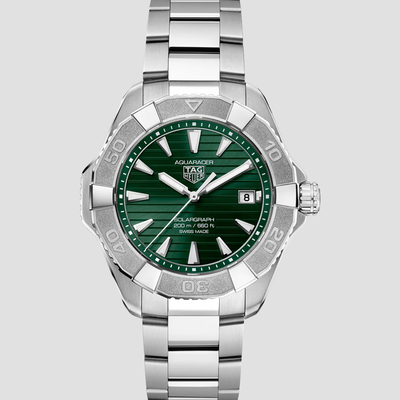
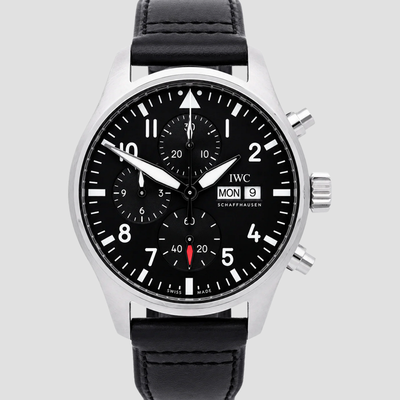
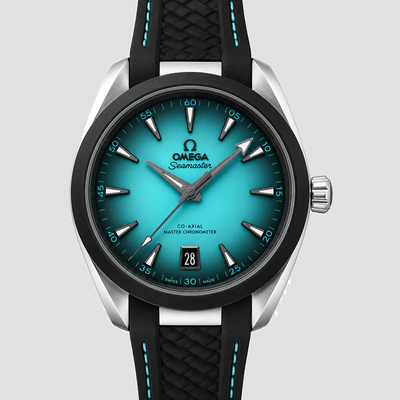
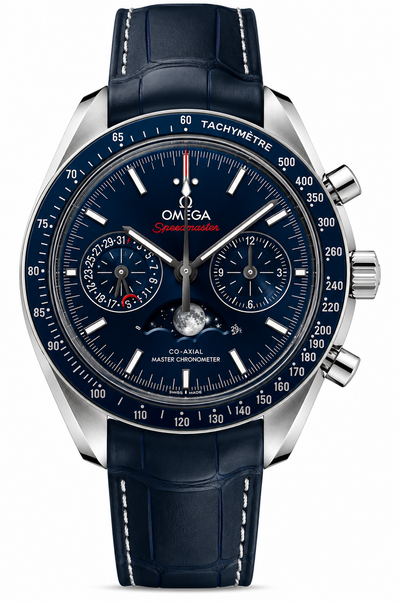
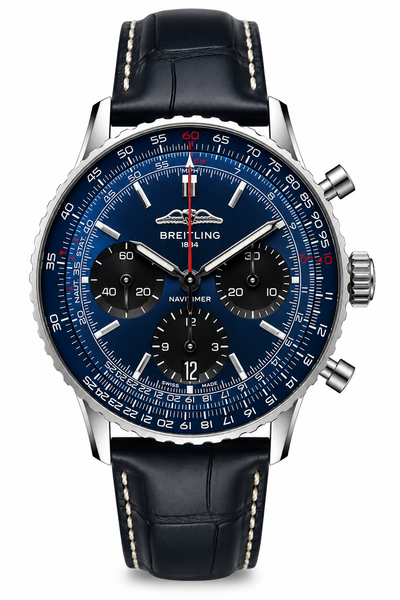
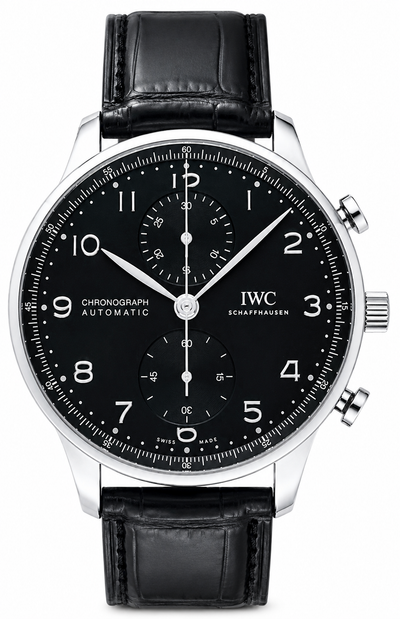
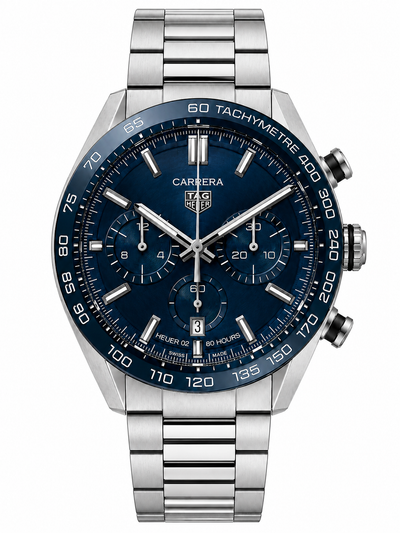
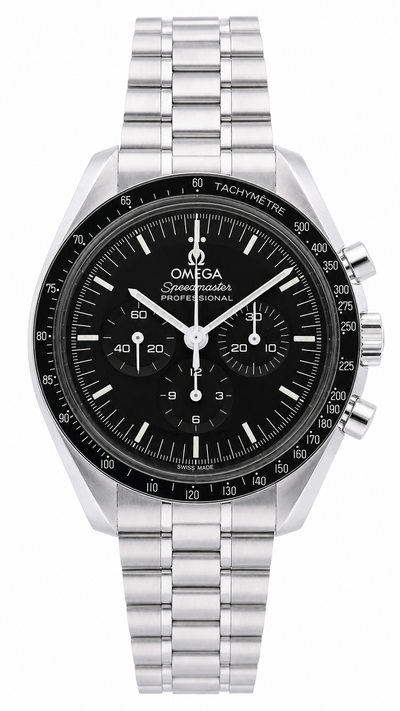
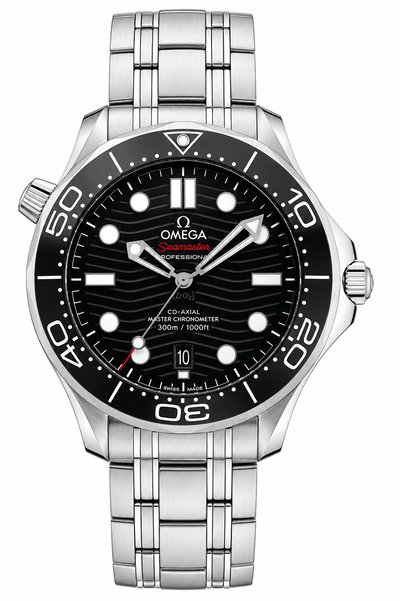
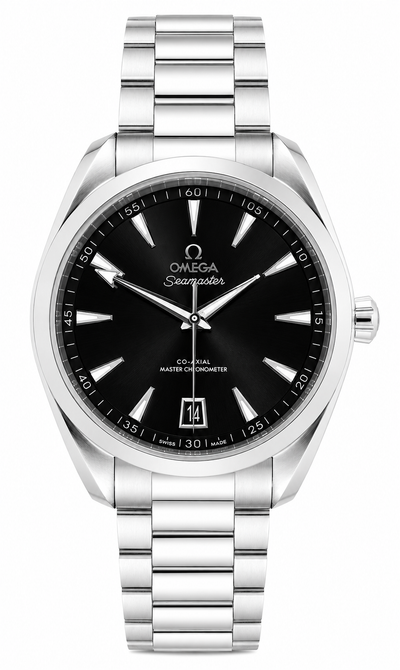
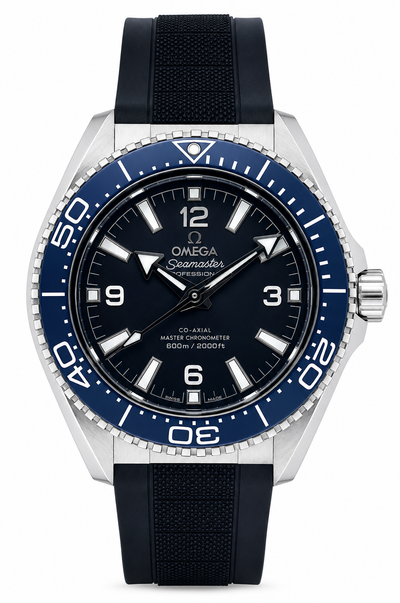
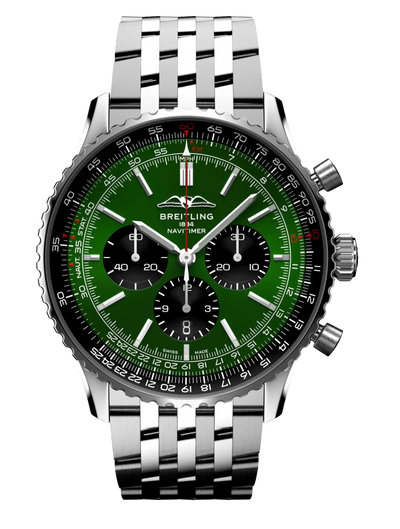
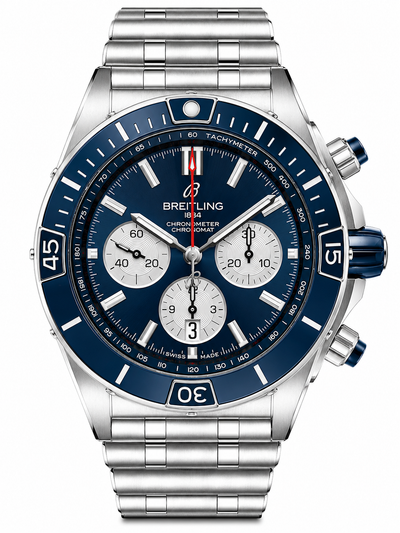
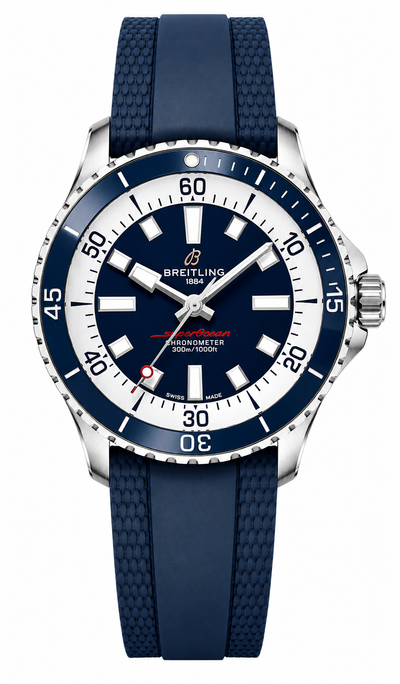
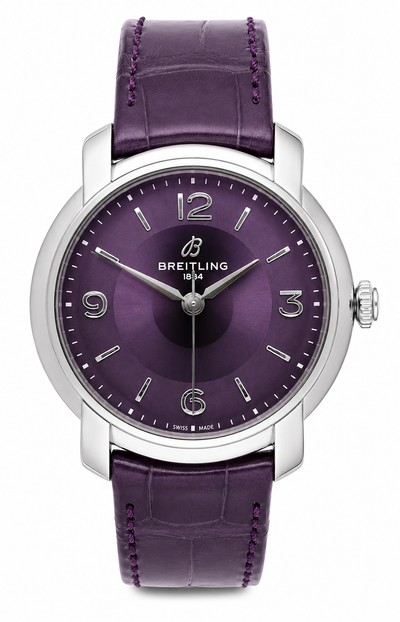
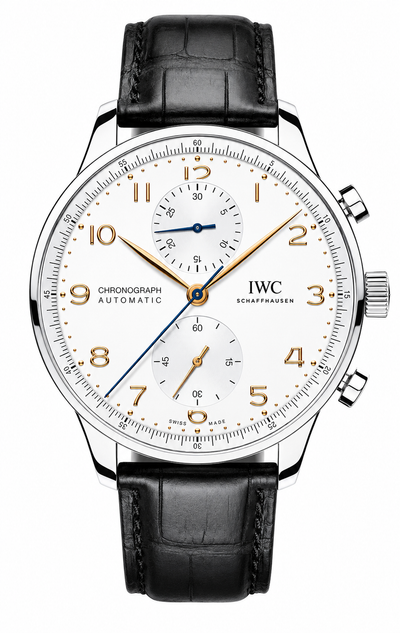
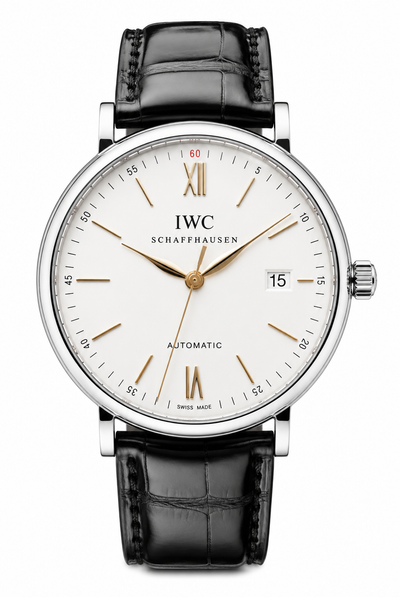
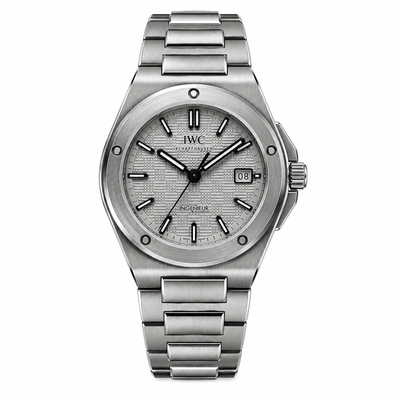
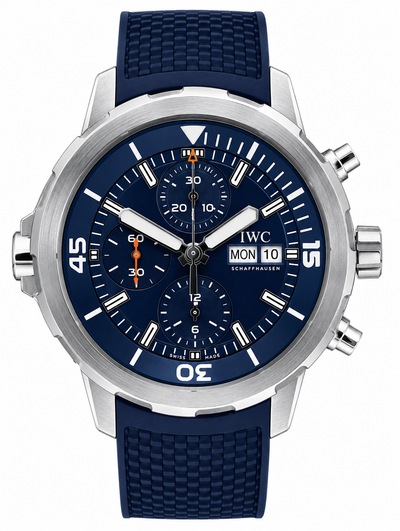
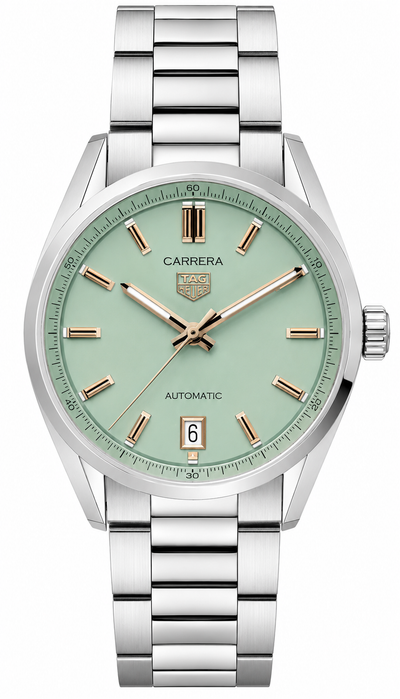
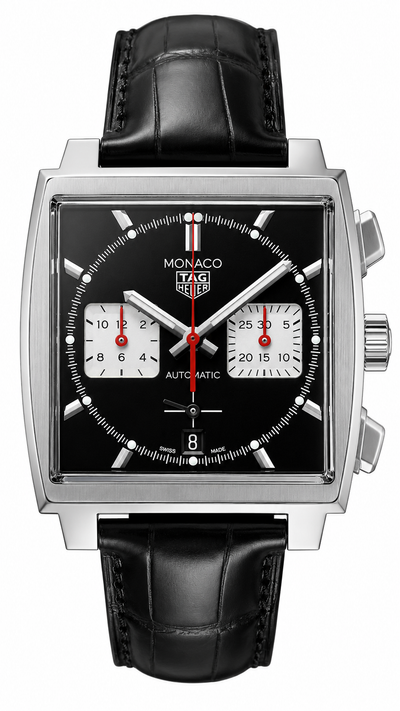
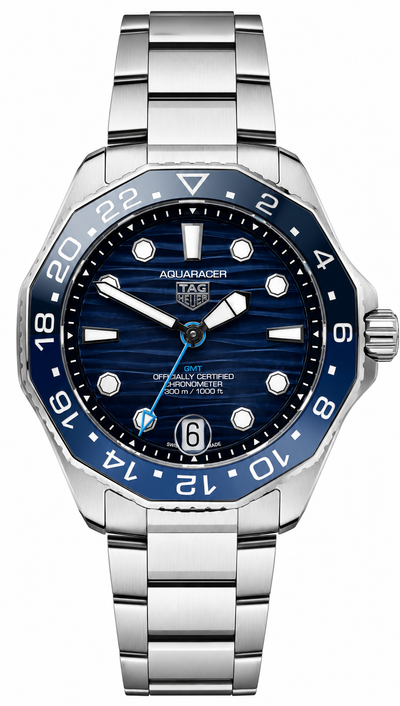
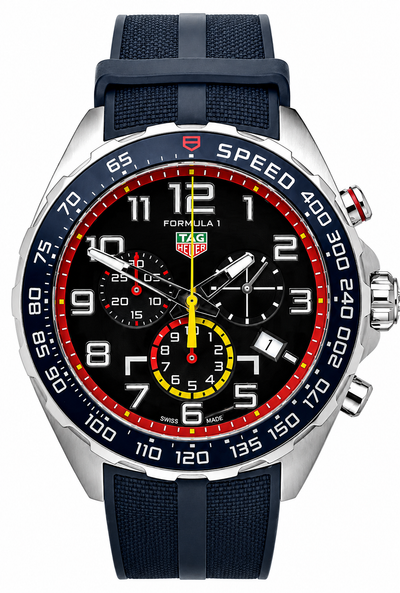
At the top end, they see the high-end brands as stable; they run their own boutiques anyway. At the lower end, the smartwatch is taking up space – not a business area for HORANDO, because margins are thin and processing returns is laborious. The interesting part is the middle, between roughly 3,000 and 10,000 euros, where Omega, Breitling, IWC and TAG Heuer are positioned: the highest margin for retailers, the easiest access – and the toughest competition among the brands themselves. That, according to the thesis, is exactly where the brands will have to come up with something new in the coming years.
The reason lies with the customer: anyone buying today thinks it over two or three times. For a watch costing 20,000 or 30,000 euros, that was always the case. What is new is that it now also applies to the watch in the middle – three years ago, people simply bought it on the spot.
What this means for specialist retail
This is where the episode becomes uncomfortable. In principle, a customer who engages intensively with the watch is an argument for specialist retail: you tell the adviser your price range, the occasion, your style – and are shown models you can also take home straight away. In practice, something else happens. The decision is made on a Sunday afternoon at home, after three hours of research.
Their own figures confirm this: the customer journey almost always begins on mobile, and the purchase is then made on desktop. Someone coming to the showroom in Bamberg and asking for advice is the exception.
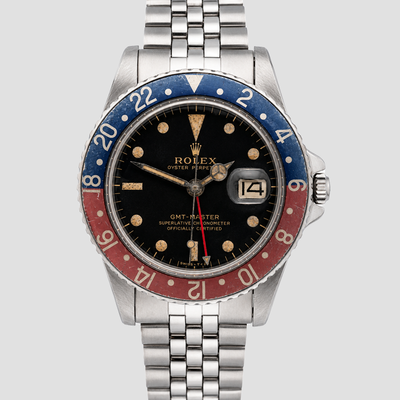
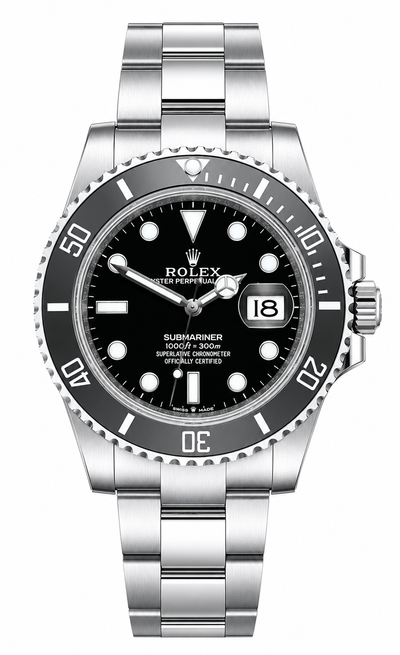
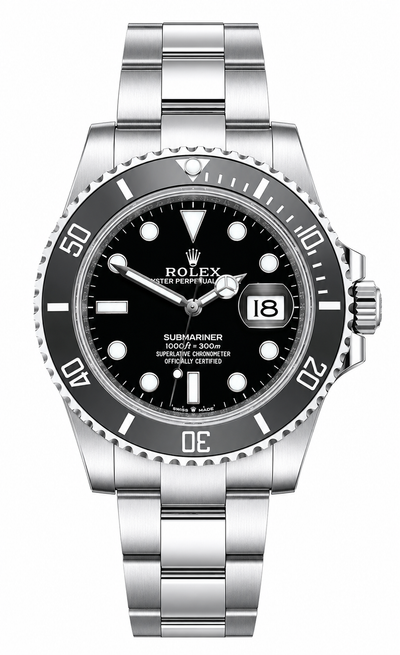
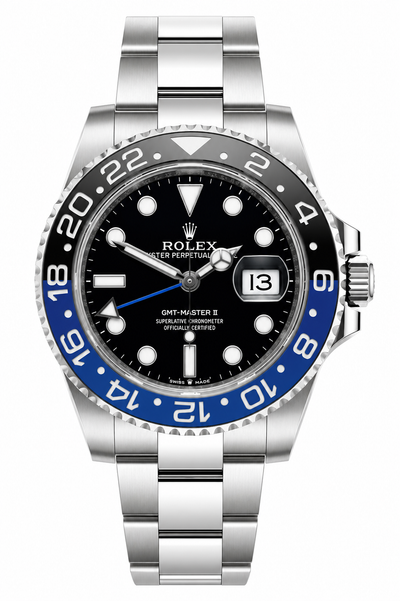
This results in a constellation that both of them state openly: the Rolex boutique invites you to try watches on – a Submariner, GMT-Master or Sky-Dweller, even though it is clear they cannot be bought there. The purchase decision is then made at home. And for the independent dealer, that is an advantage.
Price, meanwhile, is no longer the first argument. With a difference of 3,000 or 4,000 euros, it naturally plays a part. When it comes to 200 euros, what counts is reputation, reviews, the speed of the website and being easy to reach. There are even customers who deliberately pay more for a smooth, discreet transaction.
Traditional houses under pressure
A second case shows that the pressure is not only about Rolex: Ambassador on Zurich's Bahnhofstrasse, a top address, has announced its closure – after years in which concessions were lost one after another. At the same time, the Richemont Group is building its own multi-brand concept in which the group's own brands are brought together under one roof. The message to specialist retail is the same in both cases.
How the boutique allocates watches
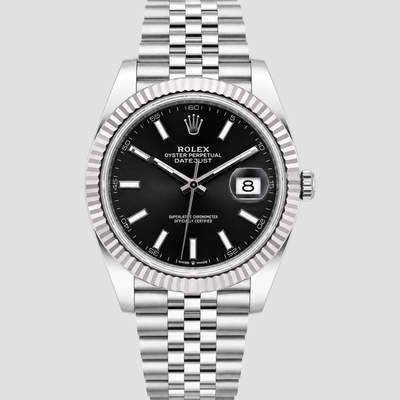
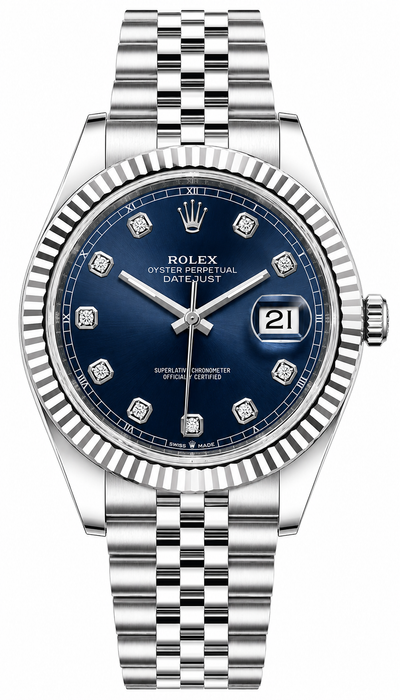
One question from the Instagram comments was which criteria a mono-brand boutique uses to allocate watches when the classic additional purchases at the jeweller no longer apply. The assessment: anyone who does not focus on just a single exclusive model but also takes a Datejust or Cellini continues to have better chances – and anyone who comes back as a customer and recommends the boutique certainly does.
This leads to an interesting thought: since Bucherer now belongs to Rolex, a customer who wants to build up a history there could simply buy their other brands there as well – strategically a coherent model.
Certified Pre-Owned on a growth path
Around 70 per cent of the business is currently accounted for by new watches. In the secondary market, both expect significant growth, coming from several directions at once. The prejudice against pre-owned watches is gone; buyers specifically look for particular years, such as their own year of birth. Price and availability are the two triggers: often an inspected pre-owned watch is simply available immediately. And younger buyers think differently about ownership – wear it, keep it for a few years, pass it on again. On top of that, pieces from collections and inheritances are currently coming onto the market. Incidentally, there is hardly anything more sustainable than an automatic watch that is refurbished and keeps on running.
New and pre-owned depend on each other: those who accept trade-ins also sell more new watches. For models that are harder to sell, there is also consignment sale – usually the better price for the seller, because the dealer does not have to factor in any risk. Both explicitly reject putting a watch online at an unrealistic price just so that it is online.
An anecdote on the side: the country code
All Rolex watches come from Switzerland and are distributed from there. In the past, the warranty card bore a country code – LC 100 for Germany, 117 for Italy. And only German customers insisted on it: watches were rejected because they were “not from Germany”. Both call the fact that Rolex abolished this a relief.
AI in the watch trade
On the subject of artificial intelligence, the assessment remains pragmatic. What is being done today – drafting emails, quickly looking something up – is not yet a real application. The actual lever lies in the depth of the data: placing market prices for a 1968 Rolex in seconds, finding sourcing prices faster, handling recurring cases such as repairs or trade-ins more cleanly.
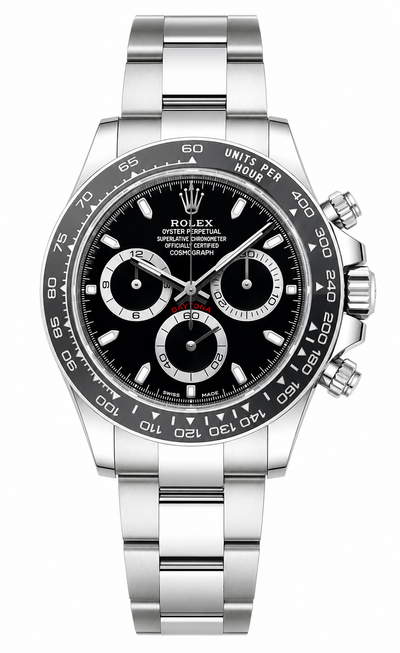
And then there is the point at which experience reaches its limit: somewhere in an auction house in London sits an expert who assesses nothing but exotic Daytona dials and also knows that a particular serial number was only made three times – which means the watch is worth not 20,000 but 80,000 euros. That, both say, is exactly where AI can help enormously.
Where the customer journey will begin in future
In their view, Google remains strong and is clearly positioning itself on AI – something that is easily overlooked amid the focus on chatbots. Research is becoming more detailed because you get direct answers and no longer have to search through forums.
What remains is the telephone. Especially in December, customers order a watch with a delivery time of two to four weeks and call the next day to ask when it will arrive. Before someone clicks “transfer”, they want to know that there is a person behind it. That, both are certain, will not disappear.
Watch the episode
Chapters
- 01:43 – Rolex, Rüschenbeck and the outlook
- 04:43 – Rolex as the industry's driving force
- 08:07 – Price segments through 2030
- 12:11 – Specialist retail versus online research
- 16:34 – Traditional jewellers under pressure
- 19:52 – How Rolex boutiques allocate watches
- 22:45 – New watches or CPO
- 26:23 – Anecdote about the Rolex country code
- 28:40 – Trade-ins and consignment sales
- 30:46 – AI in the watch trade
- 33:15 – The customer journey of the future
Listen
Tick Talk is available on YouTube and on Spotify. Inspected pre-owned watches can be found under Certified Pre-Owned.
More from Tick Talk
All articles
Tick Talk Tick Talk #8: From Audemars Piguet to Chronext, with Frederike Knop

Tick Talk Tick Talk #7: Status or Substance – Watches in Dubai, with Dennis Uitz
Tick Talk Tick Talk #6: Status or Passion – Questions from the Community


Leave a comment