The Most Important Watch Complications Simply Explained

A mechanical watch that only shows the time uses just a fraction of what the art of watchmaking is capable of. As soon as a watch does more than display hours, minutes and seconds, watchmakers speak of a complication. The term sounds like difficulty – and indeed, behind every additional function lies an elaborate interplay of tiny wheels, levers and springs.
In this guide we explain the most important watch complications in understandable terms: what they mean, how they work and what you should look out for when buying. This way you will quickly recognise which functions suit your everyday life – and which are above all proof of craftsmanship.
The key facts at a glance
- A complication is any additional function beyond the pure display of time. This includes the date, chronograph, second time zone, moon phase or the perpetual calendar.
- The more complications, the more demanding the construction. Additional functions mean more components, more manufacturing effort and, as a rule, a higher price.
- Not every complication is equally suited to everyday use. Most people use a date every day, whereas a tourbillon is above all an expression of engineering skill.
What is a watch complication?
In watchmaking, a complication is any function that goes beyond the display of hours, minutes and seconds. Strictly speaking, even a simple date display is a complication. The term comes from French and aptly describes what happens inside: the movement becomes more complicated because additional mechanisms have to be meshed with the base movement without disturbing its precision. A rough distinction is made between practical complications that make everyday life easier and so-called “grand complications”, which above all demonstrate the capability of a manufacture. The latter include, for example, the perpetual calendar, the minute repeater and the tourbillon.
A brief look at history
The first additional functions appeared as early as the era of the great pocket watches. Astronomical displays such as the moon phase helped farmers and seafarers, while striking mechanisms made time audible long before there was electric light. As movements became smaller in the 20th century, these functions migrated to the wrist. What was once pure necessity became an expression of style and technical refinement – and shapes the fascination of fine timepieces to this day.
The chronograph – the stopwatch on your wrist
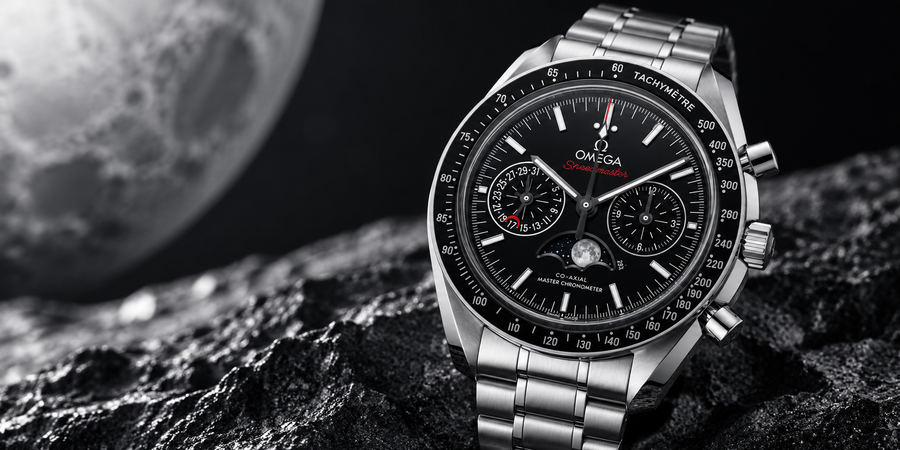
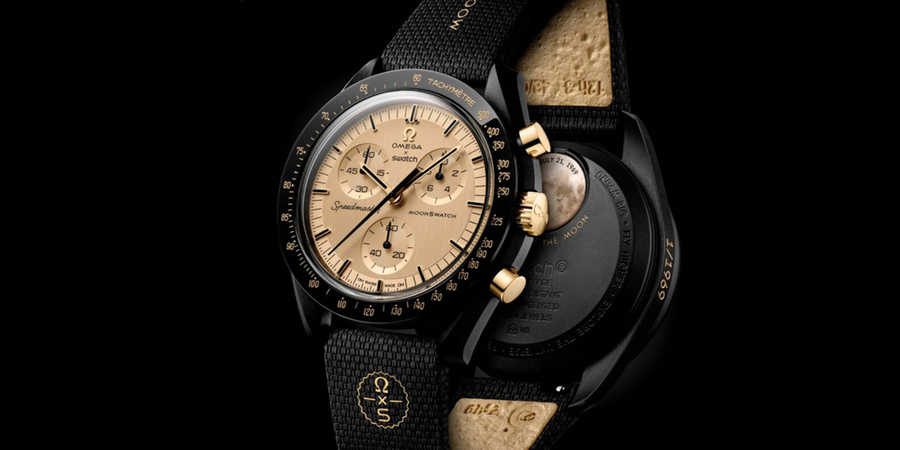
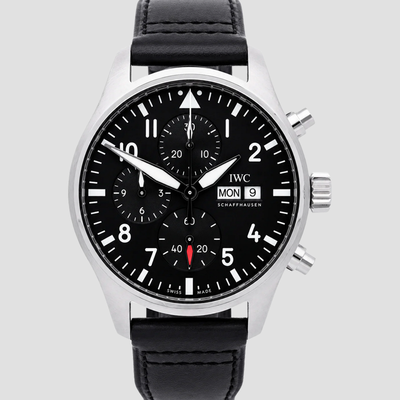
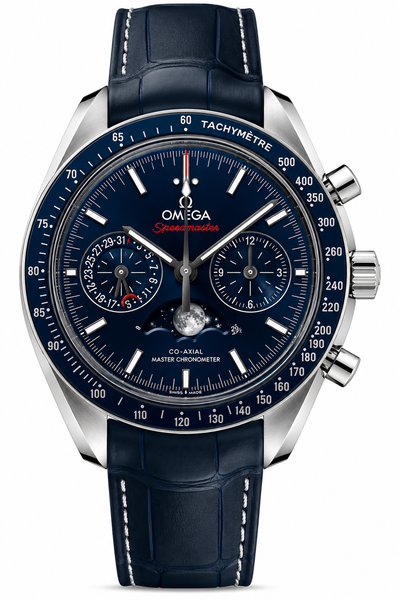
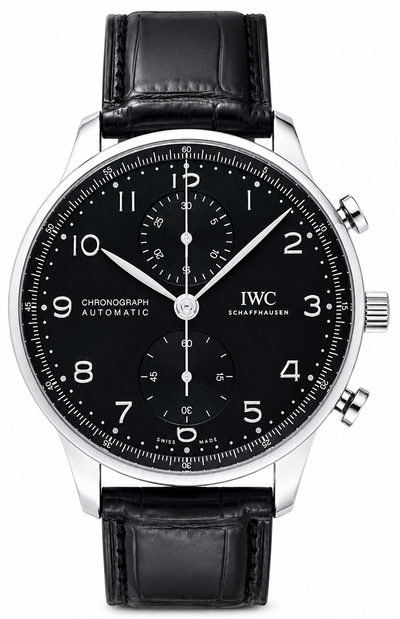
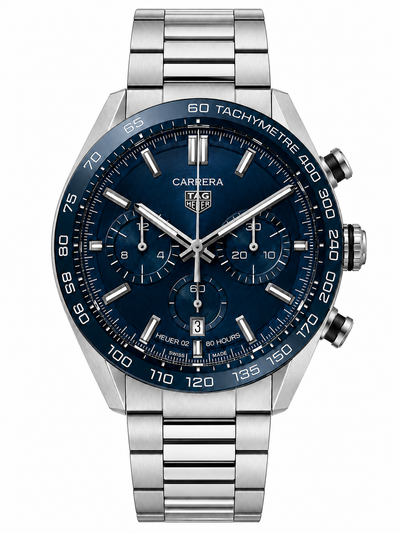
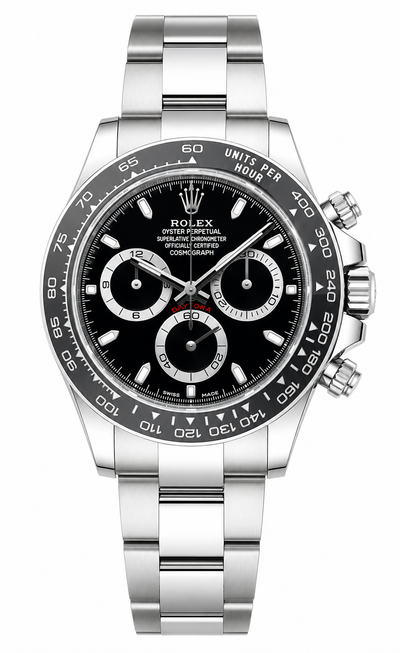
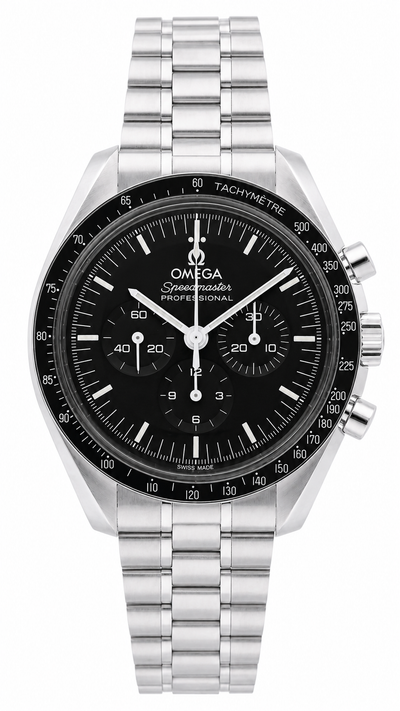
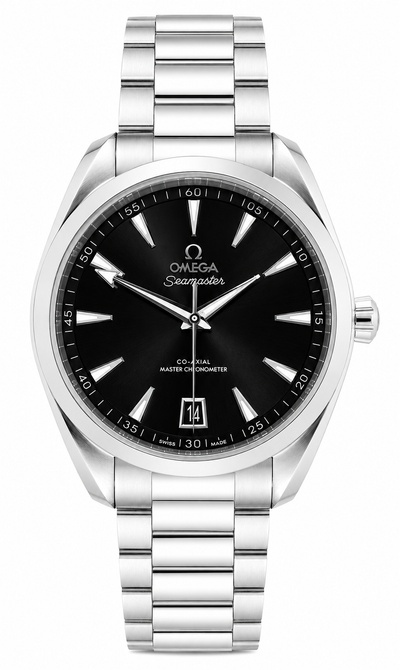
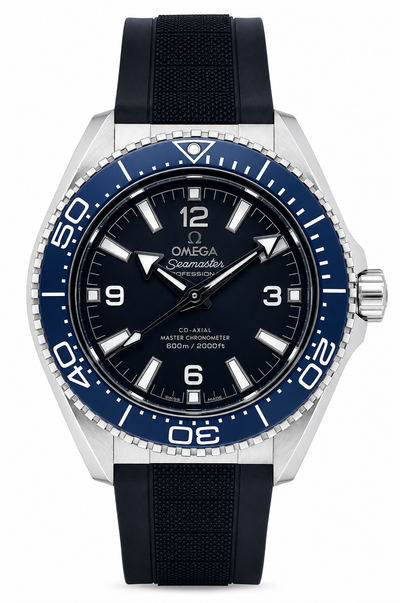
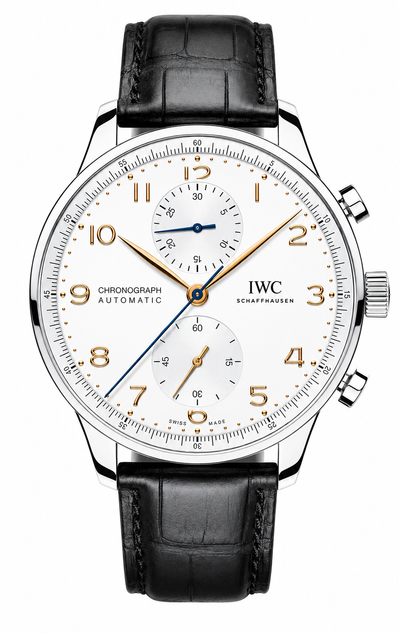
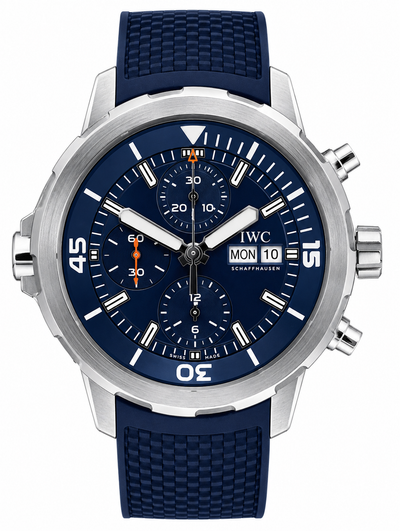
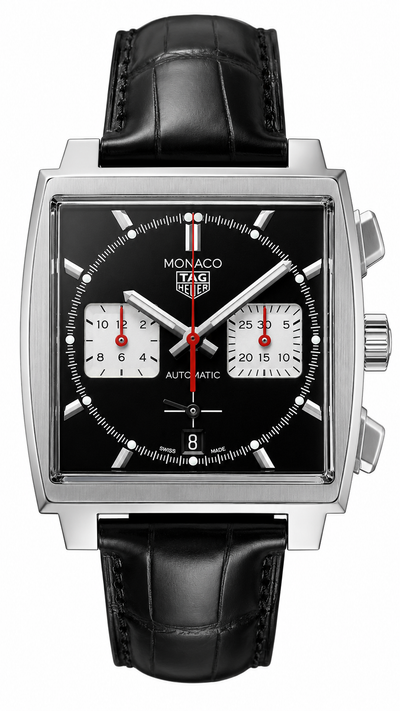
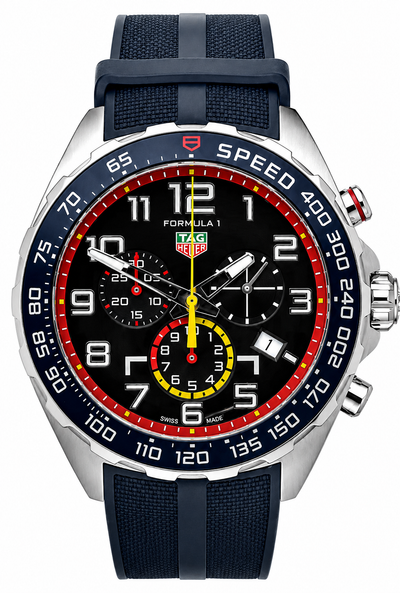
The chronograph is the best-known complication of all. It makes it possible to measure intervals of time without affecting the running time of day. Via pushers on the edge of the case, a central stop-seconds hand and usually two or three subdials are started, stopped and reset. A special form is the flyback chronograph: it allows the measurement to be reset and immediately restarted with a single press – originally a requirement from aviation. Many classic sports and pilot’s watches carry this function, for example models in our selection of Omega watches.
Date, day of the week and the perpetual calendar
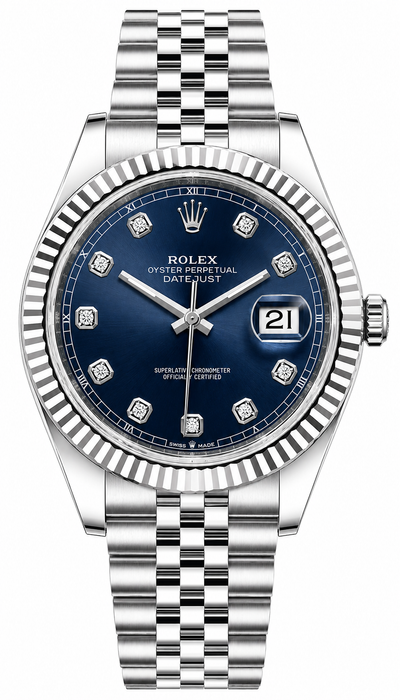
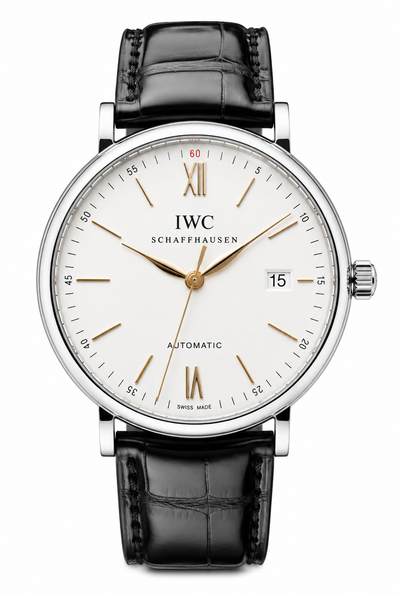
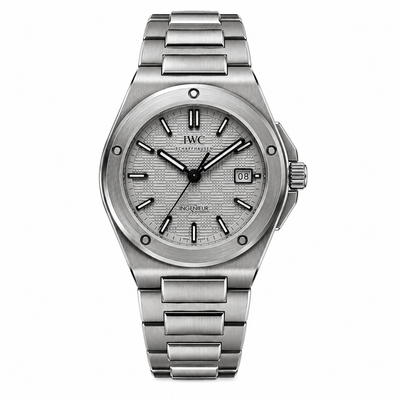
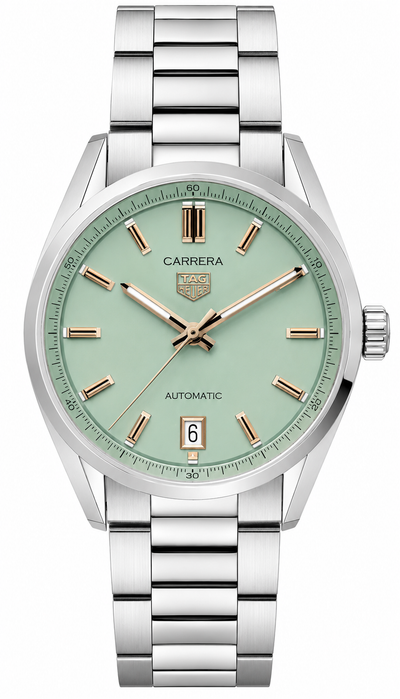
The date display is the most everyday-friendly of all complications. In its simplest form, a window shows the day of the month. Things become more demanding with the annual calendar, which takes the differing lengths of the months into account, and with the perpetual calendar: this even recognises leap years and – once correctly set – only needs to be adjusted again in the year 2100. Behind it lies a mechanical memory of finely tuned cams and levers, regarded as the supreme discipline among calendar complications.
GMT and world time – several time zones at a glance
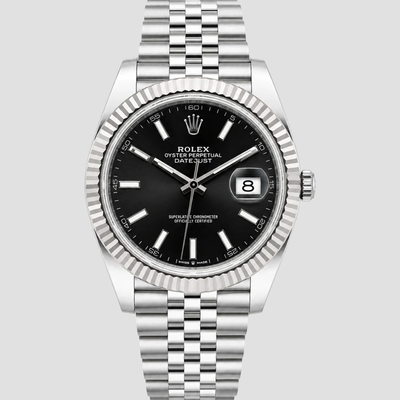
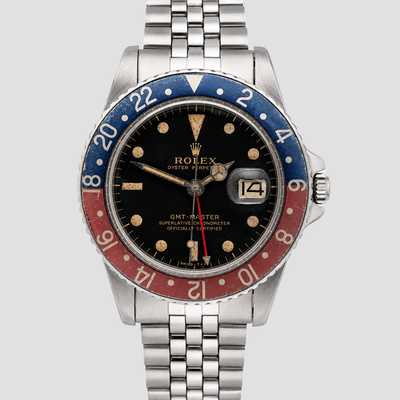
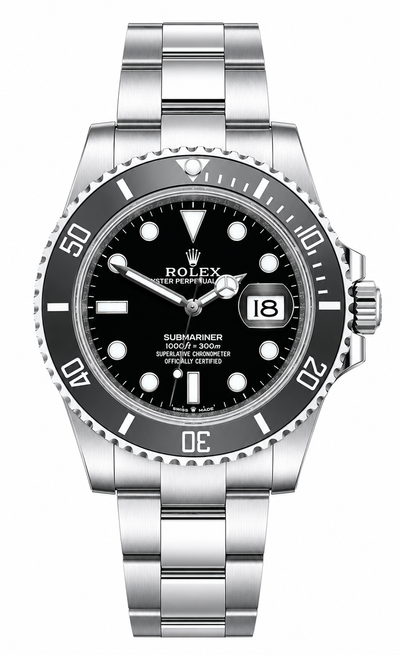
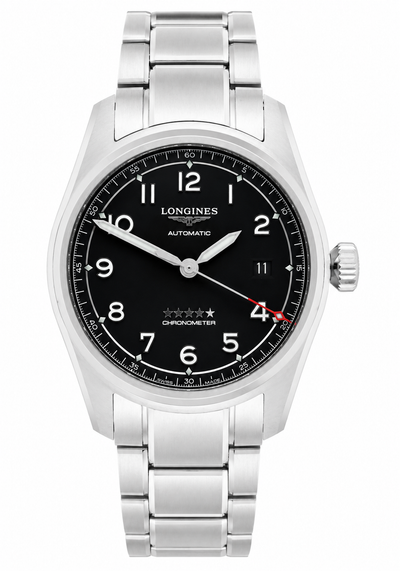
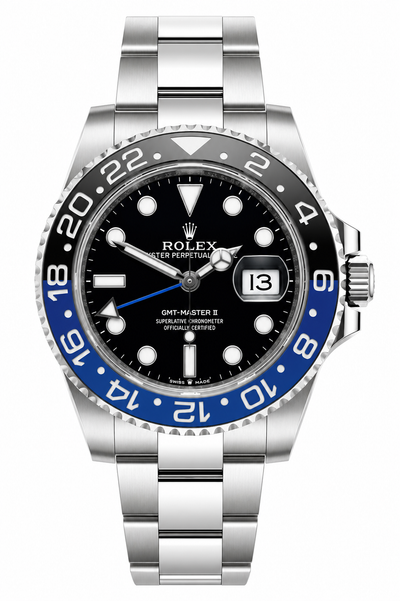
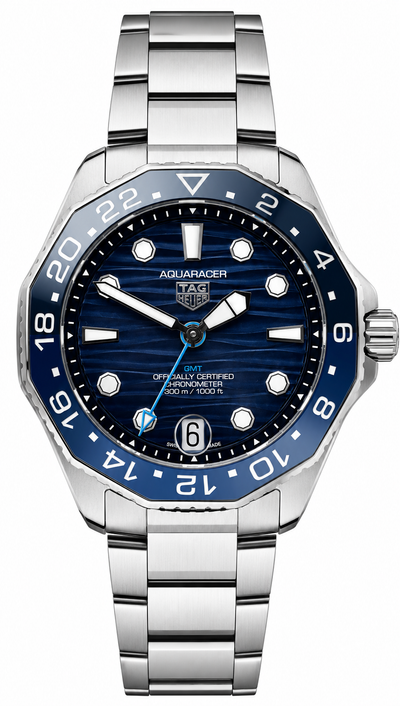
Anyone who travels a lot appreciates a second time zone. On a GMT watch, an additional hand shows the time of a further zone on a 24-hour scale. World time watches go one step further and display all 24 time zones simultaneously. Originally developed for pilots and intercontinental flights, the GMT function is today a popular companion for frequent flyers. Our selection of Rolex watches includes some of the best-known representatives of this genre.
The moon phase – poetry on the dial
Hardly any complication is as decorative as the moon phase. A small aperture shows the phase the Moon is currently in. Technically it is a disc with two moons that slowly rotates behind an opening in the dial. Fine versions deviate from the actual moon phase by one day only after more than a hundred years – a charming proof of attention to detail.
Further complications: power reserve, tourbillon and minute repeater
Beyond the classics there are numerous further functions. The power reserve indicator shows how much energy the mainspring still holds. The tourbillon lets the escapement work in a rotating cage in order to compensate for the influence of gravity. Finally, the minute repeater strikes the time on demand with fine tones – one of the most elaborate complications of all.
How is a complication created in the movement?
For an additional function to work reliably, it goes through an elaborate development process:
- Design: Designers calculate how the additional module fits into the base movement without impairing its rate accuracy.
- Manufacture of the components: Tiny wheels, levers and springs are produced with the utmost precision – often within hundredths of a millimetre.
- Assembly: Watchmakers put the components together by hand and bring them into exactly the right position.
- Fine adjustment: The interplay is then adjusted so that, for example, the date switches cleanly or the chronograph stops precisely.
- Inspection: Finally, extensive tests examine function, rate accuracy and reliability over several days.
Every additional mechanism significantly increases the number of components – and with it the effort required in development and assembly.
Complications compared
| Complication | Function | Everyday benefit |
|---|---|---|
| Date | Shows the day of the month | Very high |
| Chronograph | Measures intervals of time | High |
| GMT / world time | Second or several time zones | High for travellers |
| Moon phase | Shows the current moon phase | Decorative |
| Perpetual calendar | Takes months and leap years into account | Prestige |
| Tourbillon | Compensates for gravity | Craftsmanship |
Iconic examples with complications
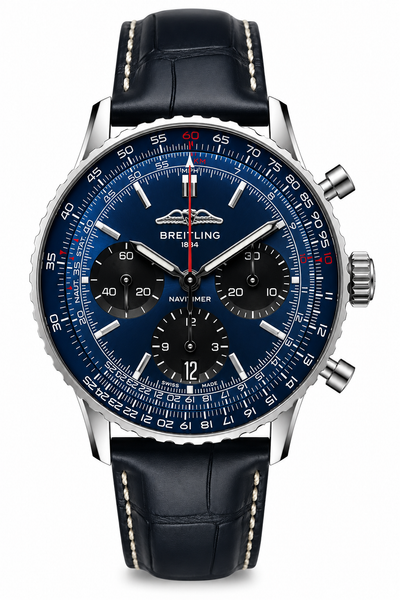
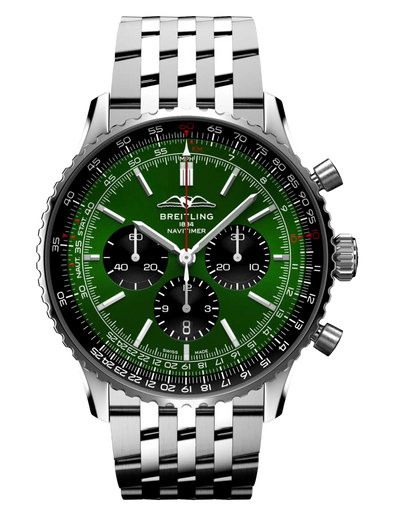
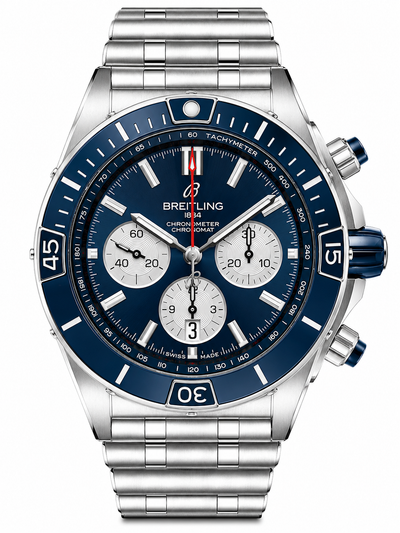
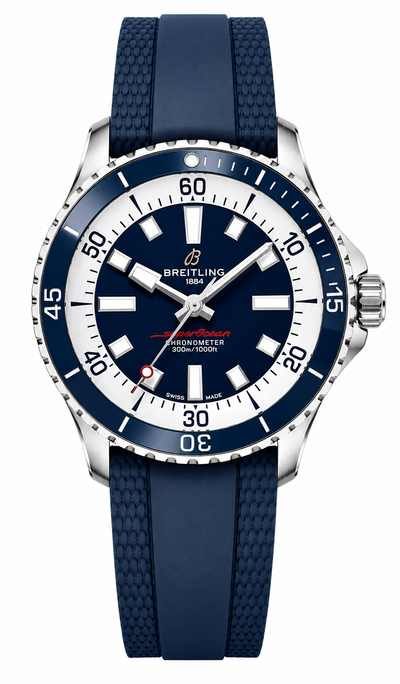
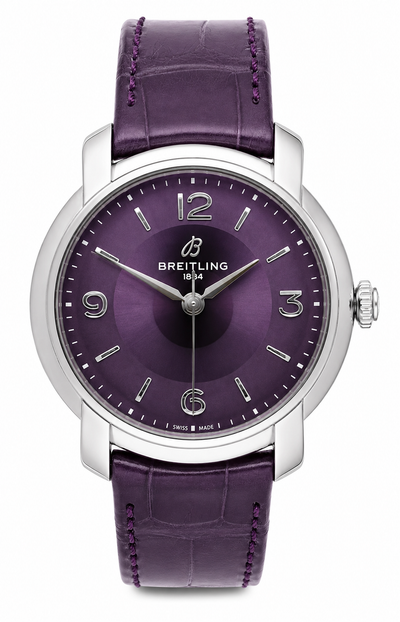
Many of the most famous watches owe their reputation to a complication. The chronograph became world-famous through legendary sports and pilot’s models, GMT watches accompanied the first intercontinental pilots, and moon phase watches have always been regarded as elegant classics. If you would like to experience various functions side by side, our overview of luxury watches offers a broad spectrum – from the purist chronograph to the multi-layered calendar watch. The versatile chronographs among the Breitling watches also show how technical function and design come together.
What complications mean for value
Complications influence not only the price but often also the value stability of a watch. Elaborate functions are more difficult to produce, rarer and therefore particularly interesting for collectors. At the same time, the following applies: a sought-after complication from a renowned manufacture generally holds its value better than a rarely requested gimmick. Anyone who also regards a watch as a long-term acquisition should therefore assess function, finishing and the reputation of the model together.
Common misunderstandings
A number of misconceptions persist around complications. “More complications are always better” is not quite right – what matters is whether the functions suit your everyday life. “A chronograph and a chronometer are the same thing” is also wrong: a chronograph measures intervals of time, a chronometer is a particularly accurate, certified watch. And finally, “water-resistant” does not mean that you should dive with every complicated watch – pushers and additional displays often call for particular care.
Conclusion: complications make the difference
Watch complications are the heart of mechanical watchmaking. They range from the everyday date display to the artful tourbillon and each tells its own story of engineering skill and tradition. Once you know which function works in which way, choosing the right watch becomes considerably easier – whether you are looking for a practical companion or a masterpiece of craftsmanship.
Frequently asked questions (FAQ)
What is the simplest watch complication?
The date display is regarded as the simplest and at the same time the most frequently used complication. It shows the day of the month in a small window and noticeably makes everyday life easier.
What is the difference between a chronograph and a chronometer?
A chronograph is a watch with a stop function for measuring intervals of time. A chronometer, by contrast, is a particularly accurate watch whose precision has been officially tested and certified. The two terms are often confused.
Do watches with many complications require more maintenance?
In principle, yes. The more components a movement contains, the more carefully it should be serviced at regular intervals. A professional overhaul at the recommended interval preserves both function and value.
Which complication is suitable for everyday life?
For most people, the date and the chronograph are the most practical functions. Anyone who travels a lot also benefits from a GMT display with a second time zone.