What Actually Makes a Luxury Watch Luxurious?

"Luxury watch" is a term that is easy to say but hard to pin down. Why does a mechanical watch cost as much as a small car when it does not tell the time any more accurately than an inexpensive quartz watch? The answer has little to do with pure function – and a great deal to do with craftsmanship, history, material and emotion.
Anyone considering the purchase of their first fine watch will sooner or later ask exactly this question: what actually makes a luxury watch luxurious? In this guide we examine the decisive factors that separate an ordinary watch from a true luxury object – clearly, honestly and with practical relevance.
The key points at a glance
-
Luxury is more than timekeeping: Materials, movement, craftsmanship and brand prestige make the difference – not rate accuracy alone.
-
Craftsmanship and rarity count: Elaborate production, decoration and limited availability justify the high value.
-
Emotion and stability of value: A luxury watch is an expression of style and often an object of stable value that stays with you for decades.
What does "luxury" actually mean in a watch?
Luxury describes something that goes beyond the necessary. A watch merely has to display the time – an inexpensive movement is enough for that. A luxury watch, by contrast, fulfils this basic function at the highest level and adds something that cannot be measured in figures: ambition, character and an extraordinary experience. It is the result of decisions in which the focus was not on price but on the best possible execution.
That is precisely why luxury cannot be reduced to a single characteristic. It arises from the interplay of many factors, which are examined more closely below.
Materials and finishing
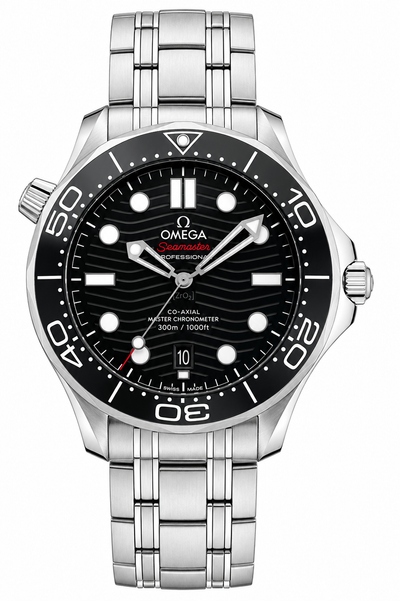
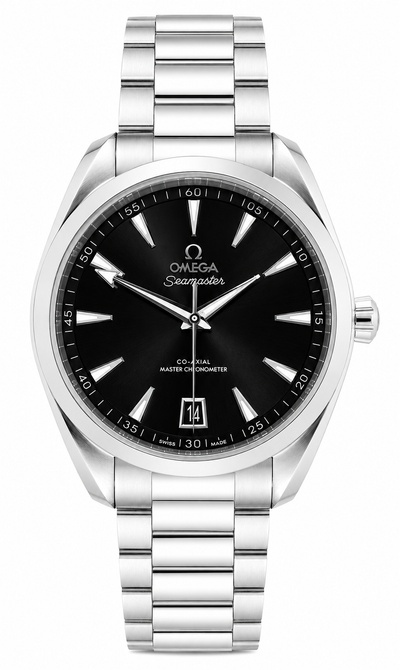
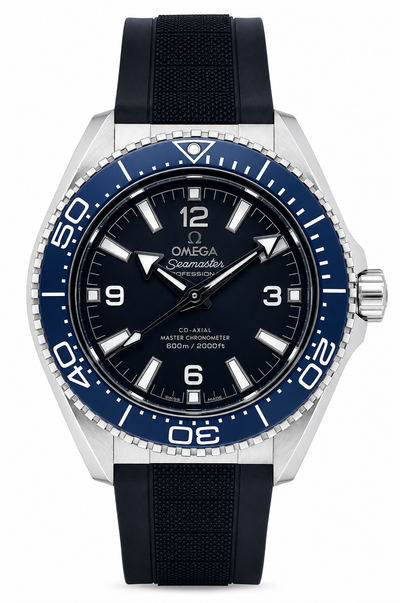
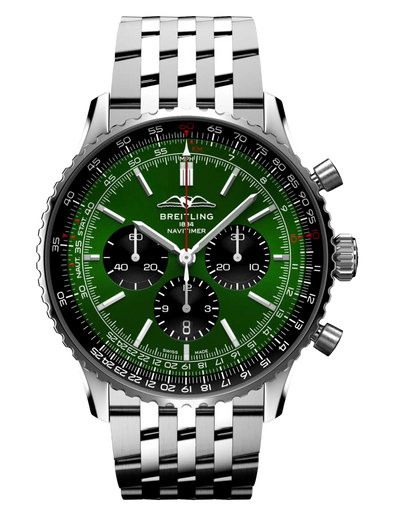
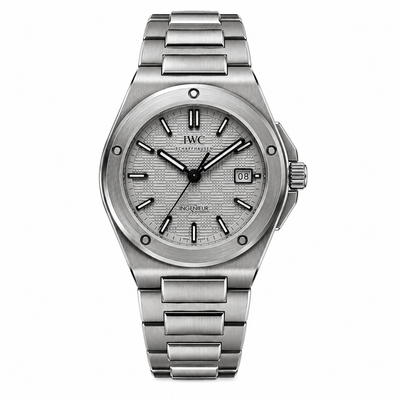
One essential factor is the choice of materials. While everyday watches are often made of simple steel or plastic, luxury manufacturers use high-grade materials such as surgical-grade stainless steel, titanium, ceramic, sapphire crystal as well as gold and platinum. These materials are not only more resilient and durable, but also more demanding to work with.
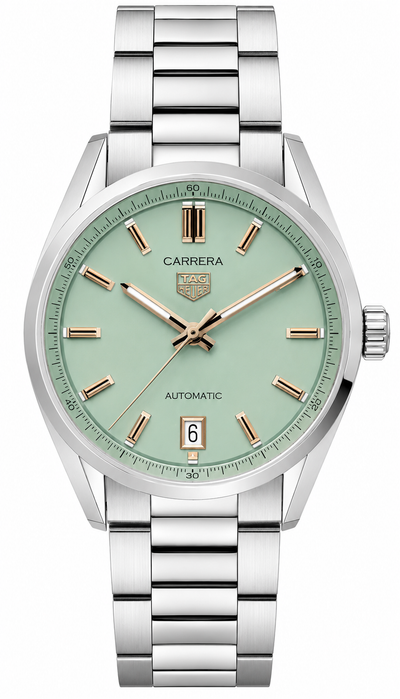
Added to this is the quality of finishing: finely polished surfaces, cleanly executed edges, bezels that click firmly into place and a flawless finish. Such details are often only noticed at second glance – and that is precisely where part of the luxury lies.
The movement – the heart of every luxury watch
Hardly any factor shapes the luxury character as strongly as the movement. High-quality mechanical calibres consist of more than a hundred precisely manufactured individual parts, assembled and regulated by hand. Particularly prized are manufacture movements, which a brand develops and produces itself.
Elaborate decoration such as Geneva stripes, perlage surfaces or blued screws are visible signs of this craftsmanship. Anyone who has looked through the display back of a fine luxury watch at its running movement quickly understands why the movement is considered the heart of the piece.
Design, history and brand prestige
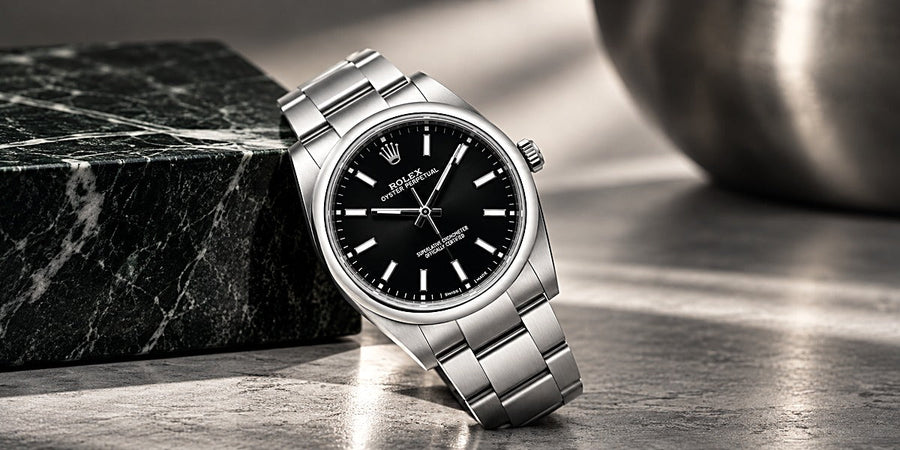
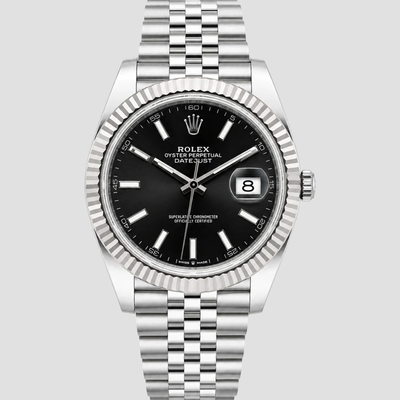
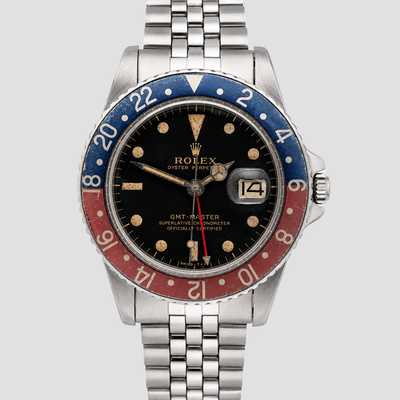
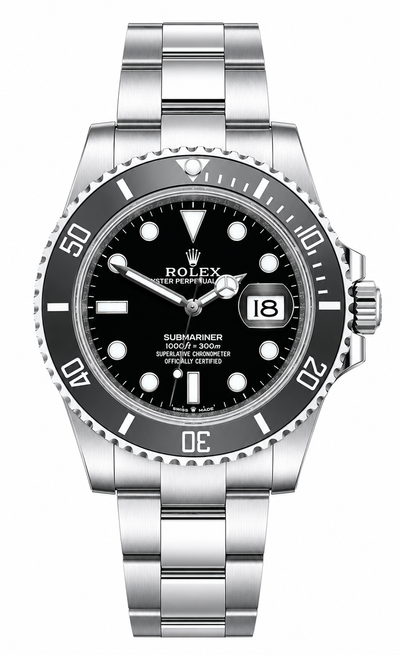
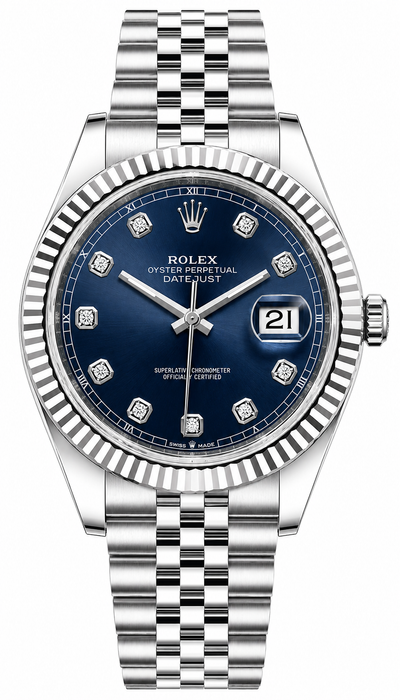
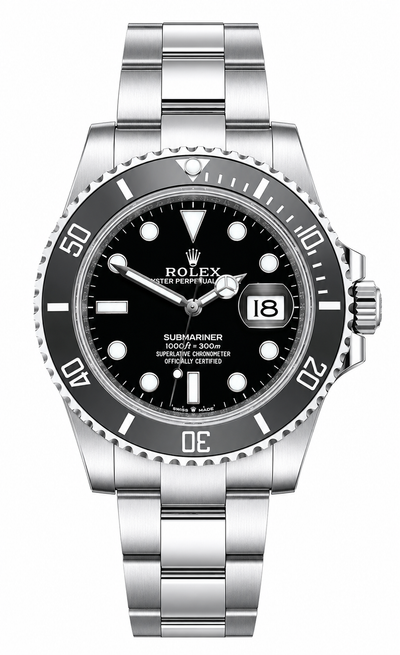
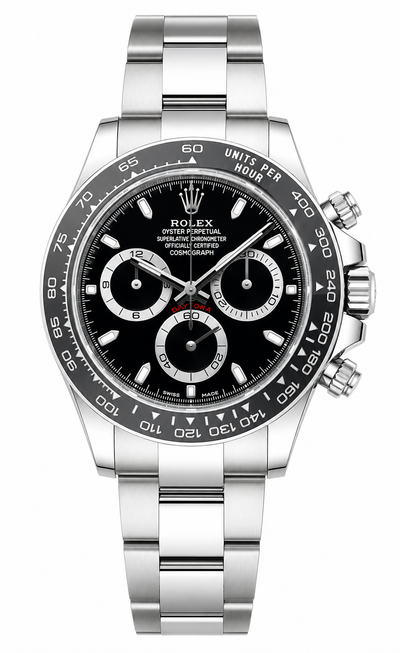
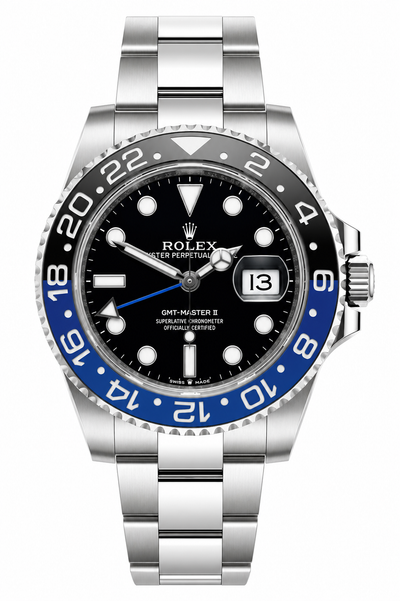
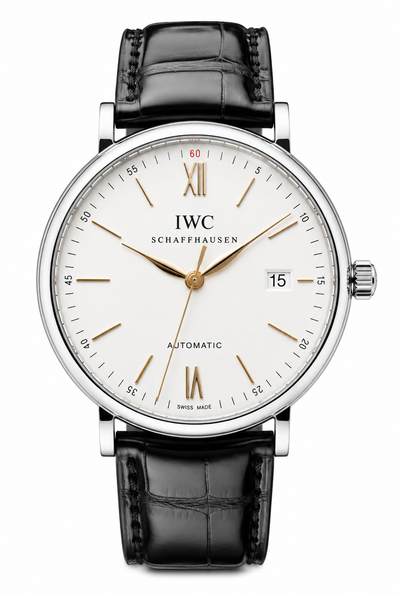
Luxury always has something to do with identity as well. Brands such as Rolex and Patek Philippe stand for decades of tradition, unmistakable design and a reputation that extends far beyond the world of watches. An iconic model tells a story and is often recognised on the wrist before the brand name is even visible.
This prestige does not emerge overnight. It is the result of consistent quality, astute design decisions and brand stewardship across generations. That is precisely why, for many buyers, the name on the dial is an important part of the luxury.
Craftsmanship and manufacture quality
Behind every luxury watch lies the work of highly specialised watchmakers. Assembling, lubricating and regulating a mechanical movement requires years of experience and a steady hand. Many steps cannot be automated and are still carried out entirely by hand today.
This craftsmanship has its price – and its value. It is the reason why a luxury watch is not simply an industrial product but a piece of applied engineering bearing a human signature.
|
Luxury factor |
What defines it |
|
Material |
Precious metals, ceramic, sapphire crystal, titanium |
|
Movement |
Mechanical manufacture calibre, elaborately decorated |
|
Craftsmanship |
Assembly and regulation by hand |
|
Prestige |
Brand history and iconic design |
|
Rarity |
Limited production numbers, high demand |
Exclusivity and rarity
A further luxury factor is availability. Many coveted models are produced only in limited numbers, and some are barely obtainable through official channels. This rarity increases not only the appeal but frequently the market value as well. Anyone wearing a sought-after watch owns something not everyone can have – and that is precisely a core of the idea of luxury.
Stability of value as a luxury factor
Unlike most consumer goods, fine luxury watches do not necessarily lose value. Sought-after models from renowned brands often hold their value over the years or even appreciate. This stability makes a luxury watch more than a beautiful accessory: it can be a considered tangible asset. A positive development is never guaranteed – it depends on the model, condition and market situation – but the potential is clearly part of the promise of luxury.
More than timekeeping – the emotional experience
In the end, luxury is a feeling too. The satisfying click of the crown, the weight on the wrist, the view of a finely crafted dial – all of this creates an experience that goes far beyond pure function. A luxury watch accompanies special moments, frequently becomes a personal companion and sometimes even an heirloom. This emotional value cannot be quantified, yet for many owners it is the true luxury.
Who is a luxury watch worthwhile for?
A luxury watch is worthwhile for anyone who values craftsmanship, high-quality materials and a special wearing experience – whether they are collectors, enthusiasts or simply connoisseurs. For some, the technical fascination of the movement takes centre stage; for others it is the design, the history or the lasting value.
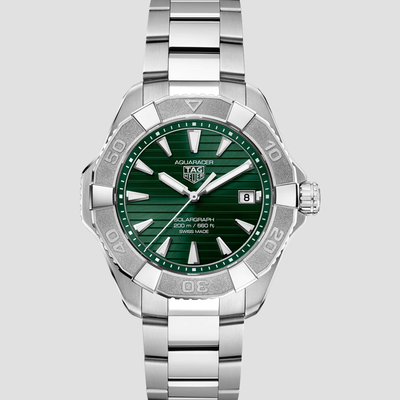
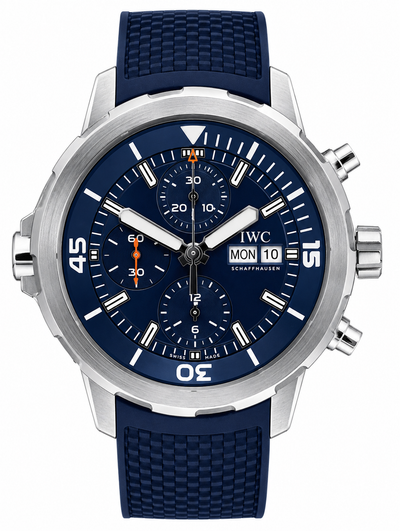
What matters is that the watch suits your own style, the occasion and your budget. A sporty diving watch accompanies an active daily routine, while an elegant dress watch suits formal moments. Luxury is therefore always a personal decision as well – there is no single right watch, only the right watch for you.
Common misconceptions about luxury watches
-
Expensive does not automatically mean more precise – inexpensive quartz watches also display the time very accurately.
-
Luxury is not the same as showing off; for many, craftsmanship rather than status value takes priority.
-
A luxury watch is not a guaranteed investment – stability of value is possible, but never certain.
-
Gold does not automatically make a watch luxurious; what counts is the overall package of movement, finishing and brand.
Conclusion: what really makes a luxury watch luxurious?
Luxury does not arise from a single characteristic, but from the interplay of many factors: high-quality materials, an elaborate movement, genuine craftsmanship, brand prestige, rarity and an emotional wearing experience. Only this complete package turns a simple timepiece into an object that is cherished for decades. A luxury watch therefore does not merely measure time – it stands for ambition, character and lasting value.
FAQ
Is an expensive watch always a luxury watch?
Not necessarily. What is decisive is the overall package of material, movement, finishing and brand prestige – not the price alone.
Are luxury watches more accurate than inexpensive watches?
No. In terms of pure rate accuracy, quartz watches are often equal or better. The luxury lies in craftsmanship, materials and experience, not in precision alone.
Do luxury watches hold their value?
Sought-after models from renowned brands are frequently stable in value and can even appreciate. There is no guarantee, however, as value depends on demand, condition and market situation.
How do I recognise a genuine luxury watch?
By high-quality materials, a finely decorated mechanical movement, impeccable finishing and a brand with a verifiable history and standard of quality.