


Tick Talk #3: Watch Myths – Status, Fakes and Online Retail
Episode 3 leaves company history behind and takes on the clichés of the luxury watch market: who wears what and why, how big the counterfeit problem really is – and whether watches above 4,000 euros can be traded online in a reputable way.
The following version is an edited transcript of the conversation. The full episode is available further below.
What colour is your Ferrari?
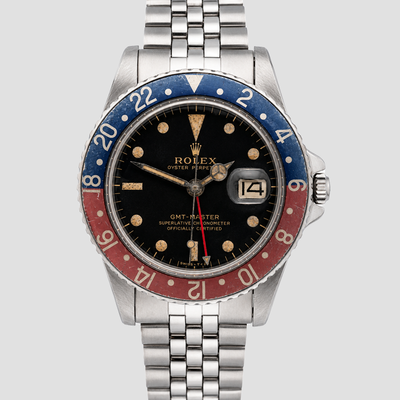
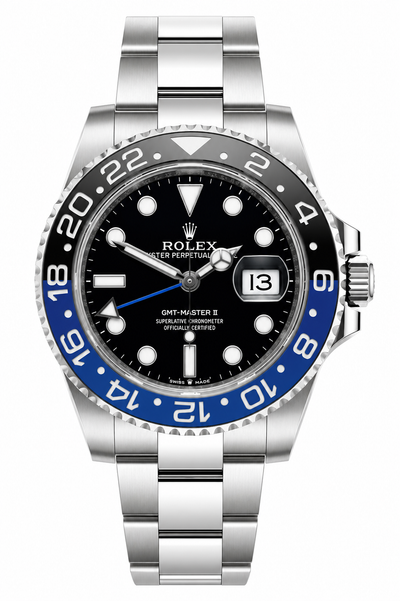
The opening question is a test: a red Ferrari would be the classic choice, yet the answer is silver – and an older model. Translated to watches, that means an old GMT-Master, but in full gold – understated in form, unmistakable in material.
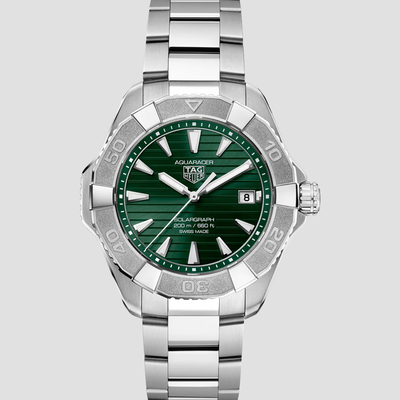
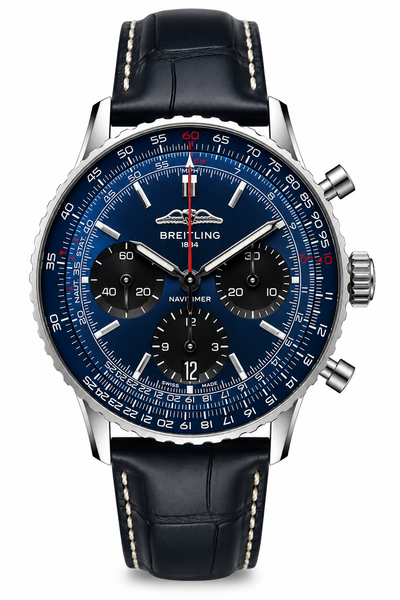
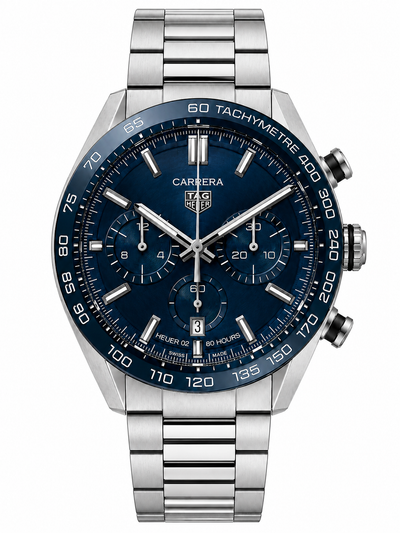
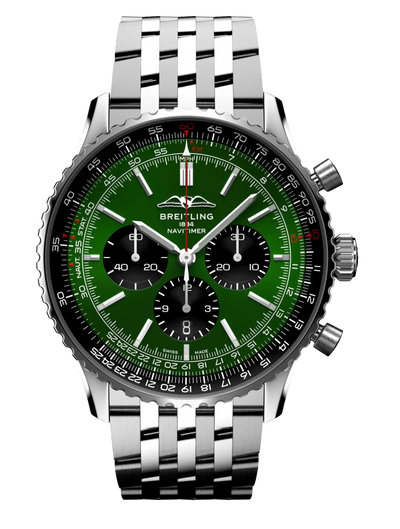
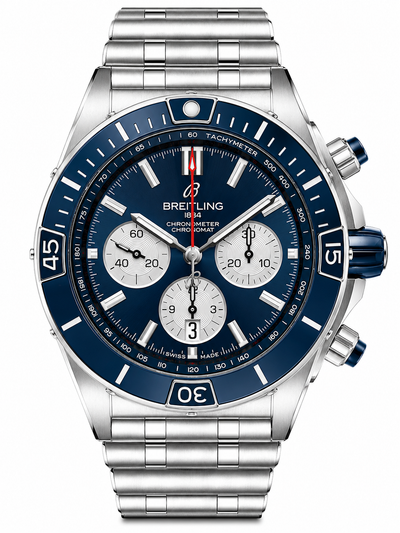
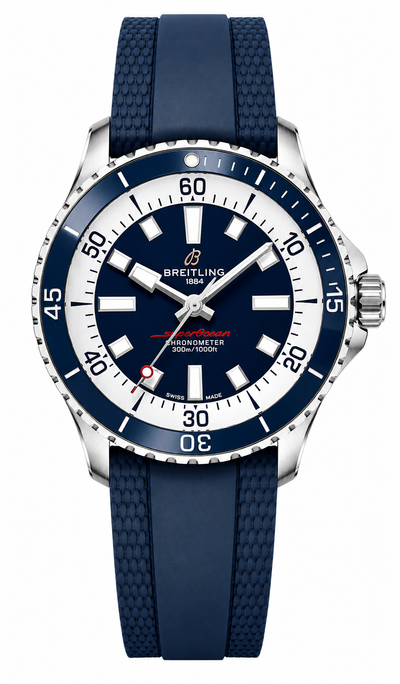
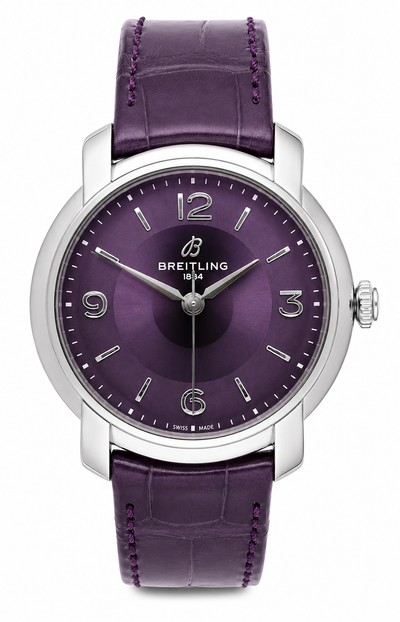
What is typical about this: both types of buyer exist, and both are legitimate. On one side is the customer in the orange Lamborghini, for whom the watch has to be a statement – as a rule not a Patek Philippe perpetual calendar, more likely Richard Mille or Jacob & Co. On the other side are customers who explicitly do not want to stand out and switch from Rolex to Omega, Breitling or TAG Heuer because they would rather not wear the Rolex at work.
The underestimated point: with a Patek Philippe you often attract less attention than with a Rolex. A Rolex is recognised, by its bracelet even from a distance; a Patek, in many circles, simply is not.
The Rainbow Daytona and the advisers in the background
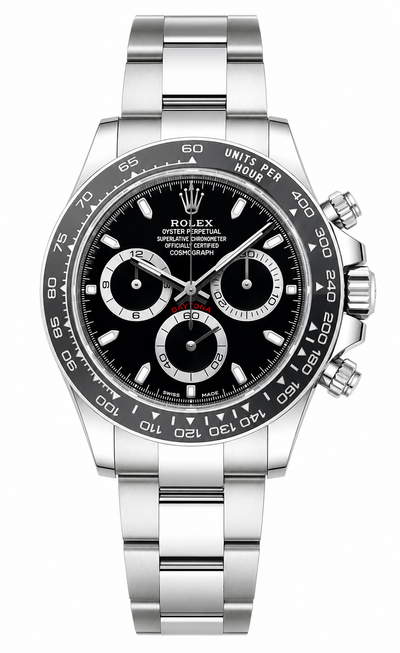
Truly extravagant watches are the exception in the trade as well. A Rainbow Daytona in rose gold, factory-set with stones, sold at the beginning of the year for a mid six-figure sum – not to Germany. Deals like this are handled discreetly and often not with the end customer at all, but through an adviser who stands in between, comparable to a football agent. Many buyers simply do not want to appear in public.
Of the rarer pieces that have passed through their hands, a Vacheron Constantin Overseas in full gold with a green dial is particularly memorable – not least because the interchangeable strap turns the same watch into two very different ones.
The man with the racing bike
How little appearance says about status is shown by an observation in Munich, outside the door of the major authorised dealer on Maximilianstraße: a customer arrives in full road-cycling kit, clip-in shoes, bike leaning against the shop window – on his wrist a rose-gold Day-Date with a green dial, at the time trading at 70,000 to 80,000 euros on the secondary market. Instead of asking him to leave, two staff members carry his bike into the shop after him while he drinks his espresso inside.
Myth: isn’t everything fake anyway?
The second part of the episode is about counterfeits. Both observe that the pressure to own a particular watch has never been greater – fuelled by coaching and sales videos in which the watch serves as proof of success. Counterfeits are multiplying accordingly, and on Instagram there are regular enquiries asking whether the posted model is also available as a fake or clone.
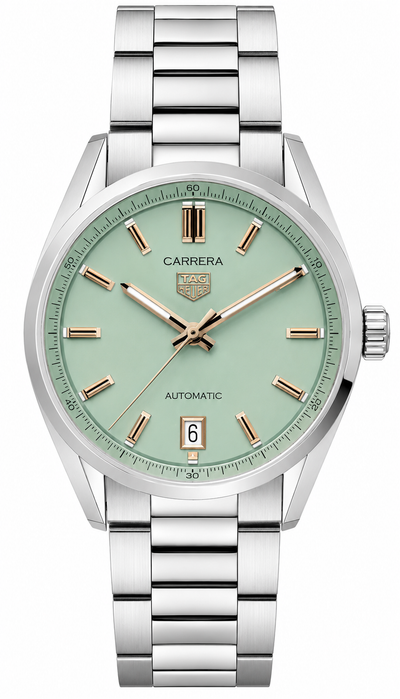
Both have their own story to tell. One leads to Dubai in 2006, to a back room at a market where a fake TAG Heuer Carrera changed hands for 50 to 100 dollars – back at the hotel it was clear that this had been nonsense; it was never worn. The other leads to Shanghai around 2010, where there were three back rooms one behind the other, with rising quality and rising prices.
For both, the argument against it is less moral than practical: for the amount a good fake costs, you can get a genuine automatic watch from a brand such as Frederique Constant. And you yourself know what you are wearing.
From grey-market dealer to secondary-market dealer
One term has disappeared completely in twelve years: “grey-market dealer”. When it started out, HORANDO was regularly asked whether the business was legal at all and where the watches came from. Today people speak of the secondary market, and hardly anyone asks that question any more.
What makes the difference is verifiable transparency: sourcing exclusively within the EU and exclusively through certified dealers, plus the inspection of every single watch. Watches taken in part-exchange from private customers are also opened and their movement checked – regardless of whether the customer is known. Both describe this as the minimum a professional dealer must provide.
Car spotting, new money, old money
A digression that says more about the market than it is meant to: the car-spotting videos on Instagram in which someone at the roadside stops expensive cars and asks the drivers what they do for a living. In the end it almost always comes down to the same trio – car, income, watch. This is exactly the spectrum the two encounter in everyday business: from the cultivated collector who collects only world-time watches or perpetual calendars to the one who wears nothing but rose gold. Most customers lie somewhere in between.
Quick-fire round: watch and profession
- A. Lange & Söhne Lange 1 – notary
- Panerai Luminor Marina – boat rental on Lake Garda
- Rolex Day-Date in white gold – family office
- Jaeger-LeCoultre Reverso on a leather strap – owner of a car repair workshop
Is selling luxury watches online disreputable?
The answer is clearer than the question suggests – and it comes from the one of the two who has a background in the auction business and knows the dealer landscape from top to bottom. In the past, watches were bought either through established specialist retailers or through independent jewellers, pawnshops and gold buyers near the railway station. There, the quality of advice and goods varied greatly, and if a watch was sold without a proper service, the dealer was, if in doubt, far away and refused any warranty claim.
Online, exactly that is no longer possible. Reviews on several platforms act as constant pressure to respond quickly and properly – right up to replies at ten o’clock on a Sunday evening, for which customers regularly and expressly say thank you.
A second signal of trust comes up almost in passing: television advertising. During the broadcast of a major golf tournament, almost every break featured spots from Rolex, Porsche and an online retailer of luxury furniture – and for an online retailer in particular, this works like proof of authenticity. HORANDO has never run television advertising.
Watch the episode
Chapters
- 02:13 – Ferrari, GMT-Master and Pepsi
- 04:53 – Statement watches and discreet buyers
- 08:38 – Loud or understated: customer types
- 11:06 – Day-Date and the racing-bike anecdote
- 14:20 – Understatement with Patek Philippe
- 17:31 – Myth: is everything fake?
- 19:53 – Secondary trade and authenticity checks
- 23:30 – Fake watches from Dubai and Shanghai
- 26:39 – Car spotting: new vs. old money
- 30:13 – Quick-fire round: watch and profession
- 31:16 – Is online retail disreputable?
Listen
Tick Talk is available on YouTube and on Spotify. Inspected watches with warranty can be found under Certified Pre-Owned.
More from Tick Talk
All articles
Tick Talk Tick Talk #8: From Audemars Piguet to Chronext, with Frederike Knop

Tick Talk Tick Talk #7: Status or Substance – Watches in Dubai, with Dennis Uitz
Tick Talk Tick Talk #6: Status or Passion – Questions from the Community


Leave a comment