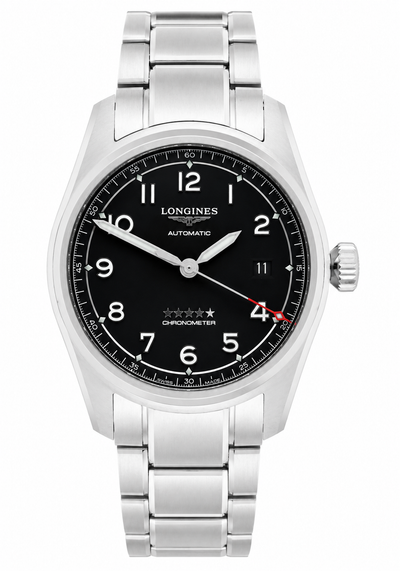
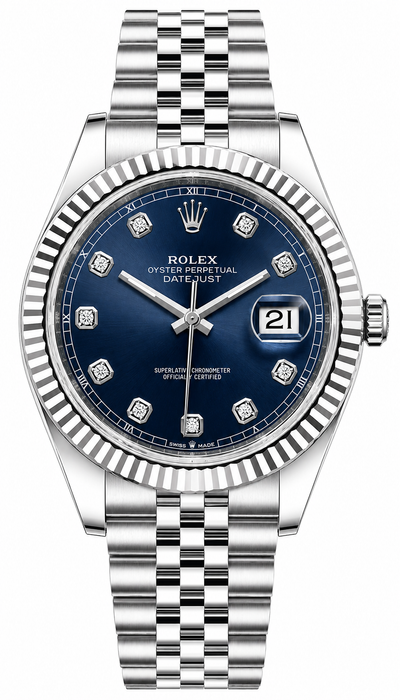
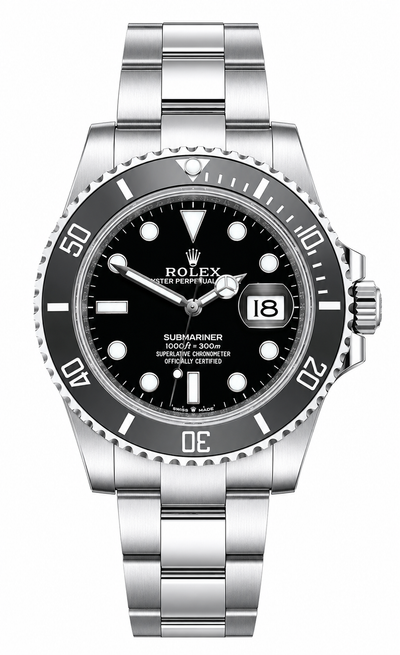
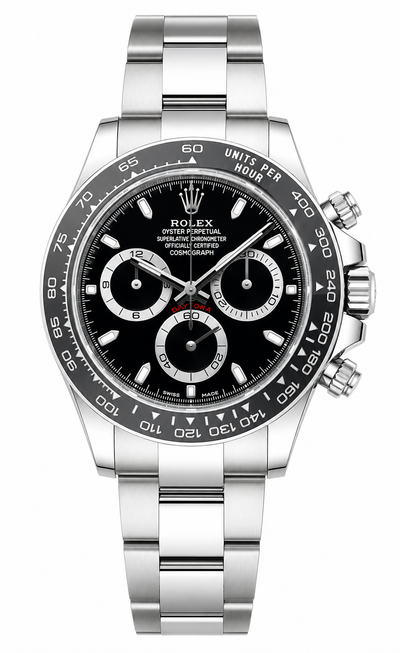
Why In-House Movements Make the Difference

Hardly any term comes up as often in the world of fine timepieces as the word "manufacture movement". It stands for prestige, technical independence and the very highest level of watchmaking. But what exactly lies behind it, and why can an in-house movement make the decisive difference between a good watch and an exceptional one?
Anyone considering the purchase of a mechanical luxury watch will sooner or later come up against this question. Manufacture calibres are regarded as the premier class of watchmaking – yet the term is not always used consistently. In this guide we explain clearly and practically what defines an in-house movement, how it is created, how it differs from a bought-in standard movement and what you should look out for when buying.
The key points at a glance
-
Developed in-house rather than bought in: A manufacture movement is developed and produced by the watch brand itself, instead of being sourced from an external movement supplier.
-
Technical independence: In-house movements make proprietary complications, individual fine-tuning and an unmistakable signature of the brand possible.
-
Value and prestige: Watches with a manufacture calibre are regarded as particularly stable in value and represent the highest level of watchmaking.
What is a manufacture movement?
A manufacture movement – also known as an in-house calibre – is a movement that a brand largely develops, produces and assembles itself. The term derives from the Latin "manu factum", meaning "made by hand". While many brands rely on proven standard movements from external suppliers, true manufactures invest considerable resources in designing their own calibres.
That means: from the first drawing through the production of individual components to the final regulation, control rests with the manufacturer itself. It is precisely this independence that distinguishes a manufacture from a pure watch assembler, which merely cases bought-in movements and fits them with its own dial and case.
The origin of the term "manufacture"
Historically, a manufacture describes an operation in which goods are produced largely by hand and under one roof. In watchmaking the term has developed into a promise of quality: it signals that a brand has mastered the core competence of watchmaking – the construction of the movement – itself. Particularly at a time when many components are supplied industrially, the ability to develop one's own calibre is seen as proof of genuine craftsmanship.
Worth knowing: "manufacture" is not a legally protected term with a fixed definition. Some brands produce almost every component themselves, while others develop the movement in-house but have individual components supplied. A critical eye is therefore always worthwhile.
Manufacture movement or standard movement – where is the difference?
Standard movements such as those from ETA or Sellita are technically mature, reliable and proven over decades. They are used in many high-quality watches and offer outstanding value for money. For many entry-level models, and for established classics too, they are an excellent choice.
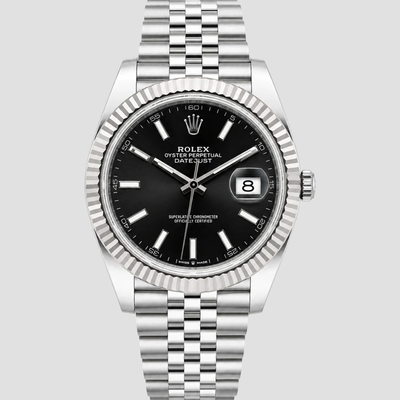
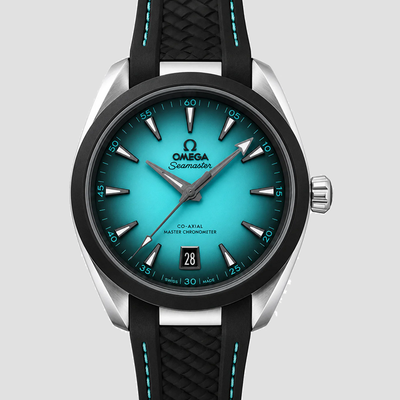
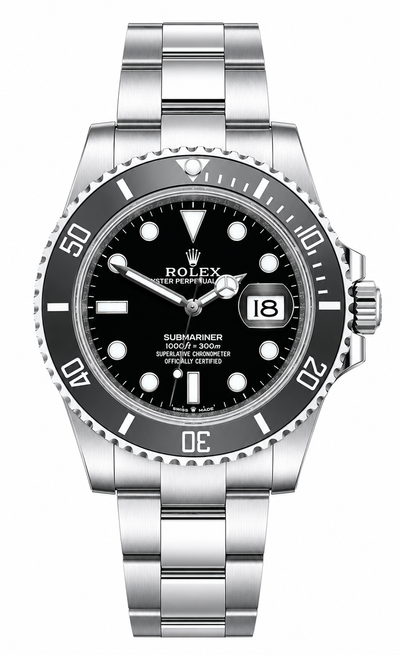
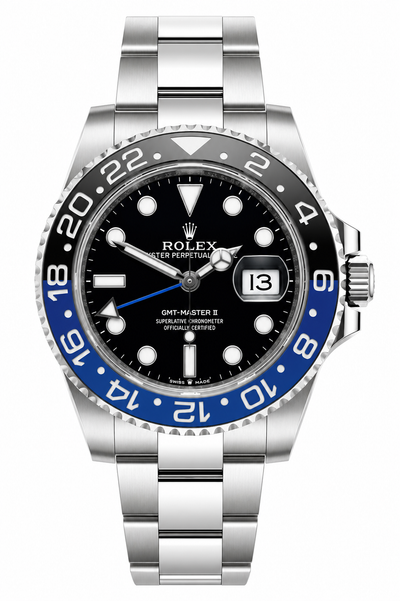
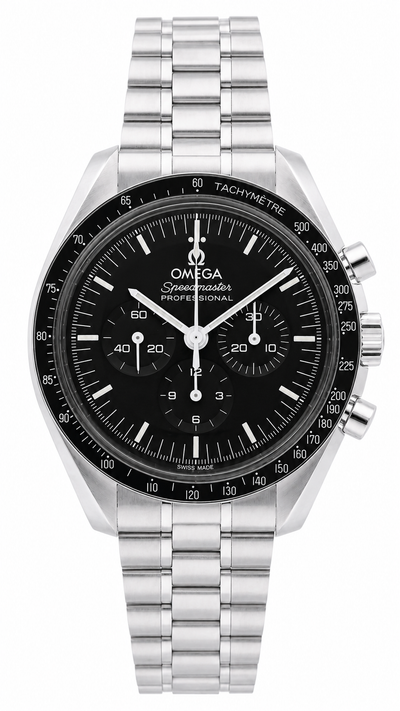
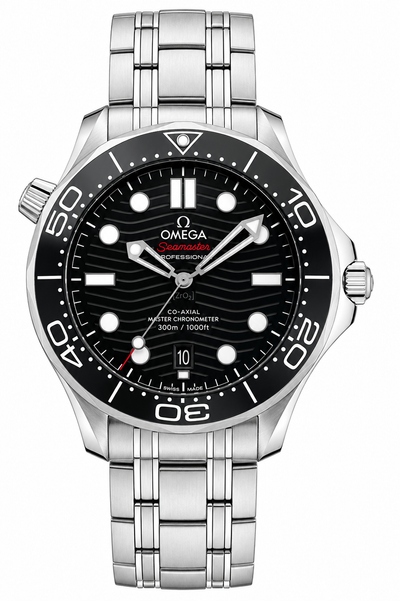
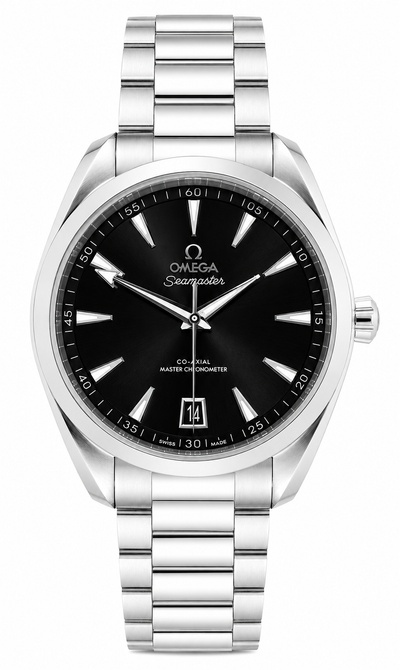
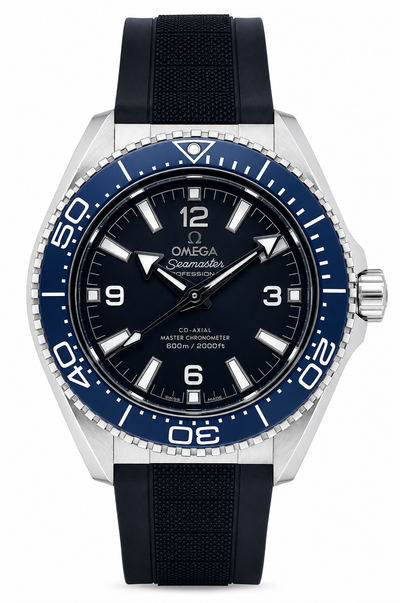
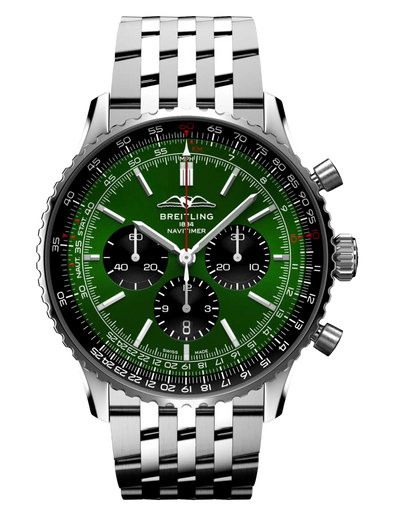
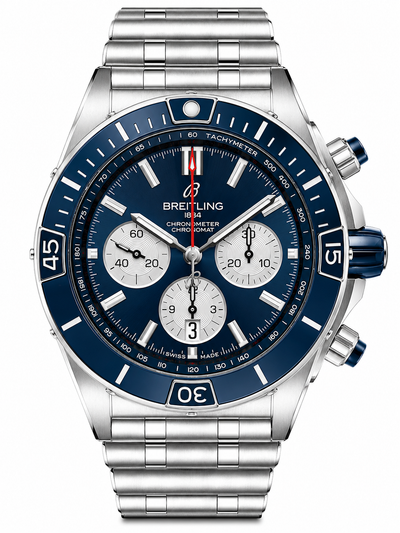
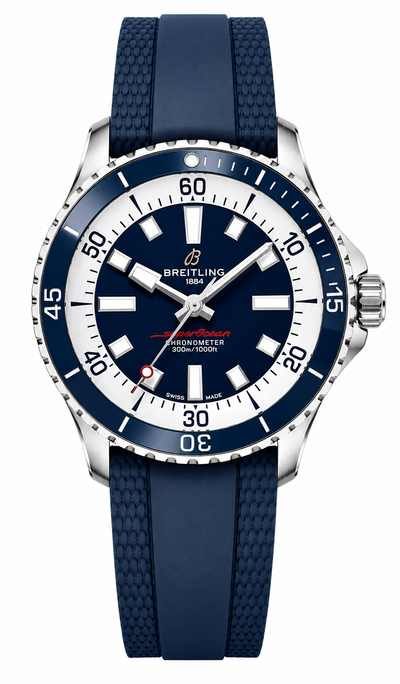
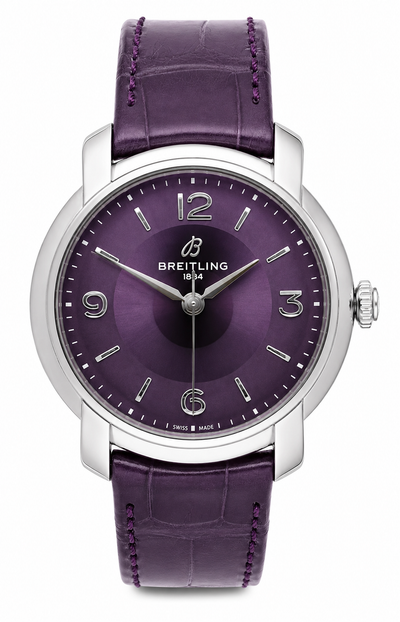
A manufacture movement, however, goes one step further: it allows the brand to implement its own technical solutions, integrate special complications and tune the watch down to the last detail to its own design language. Brands such as Rolex, Omega and Breitling today rely predominantly on their own manufacture calibres, underlining their commitment to technical independence and precision.
|
Feature |
Manufacture movement |
Standard movement |
|
Development |
In-house |
External supplier |
|
Individuality |
Very high |
Limited |
|
Complications |
Proprietary developments possible |
Mostly standardised |
|
Spare parts & service |
Often brand-tied |
Widely available |
|
Value stability |
Tends to be higher |
Solid |
How is a manufacture movement created?
Developing an in-house calibre is a demanding process that can take years. In simplified terms, it can be divided into several steps:
-
Design: Engineers draw up the architecture of the movement and define size, power reserve, frequency and complications.
-
Production of the components: Main plates, bridges, wheels, springs and the escapement are manufactured with the utmost precision – partly fully automated, partly by hand.
-
Assembly: Watchmakers put together the often more than one hundred individual parts and lubricate the moving components.
-
Regulation: The movement is finely adjusted so that it runs precisely in different positions and temperatures.
-
Testing & certification: Many manufactures have their movements certified as a chronometer or Master Chronometer, thereby guaranteeing a defined rate accuracy.
Each of these steps requires specialist knowledge, machinery and experience – a key reason why manufacture watches are generally positioned higher than models with a bought-in movement.
Why in-house movements make the difference
The most important advantage of a manufacture movement lies in its independence. Because the brand determines every detail itself, it can tailor materials, construction and finishing precisely to its own ideas. This is reflected in elaborately decorated components, longer power reserves, innovative escapements and an architecture considered down to the smallest element.
Then there is the emotional value: a watch with a manufacture calibre tells the story of a brand that has fully mastered its craft. For many collectors, this is the decisive reason for choosing a particular model. In terms of value development, too, manufacture watches are often regarded as particularly stable, because their technical independence is appreciated over the long term.
Well-known manufacture calibres as examples
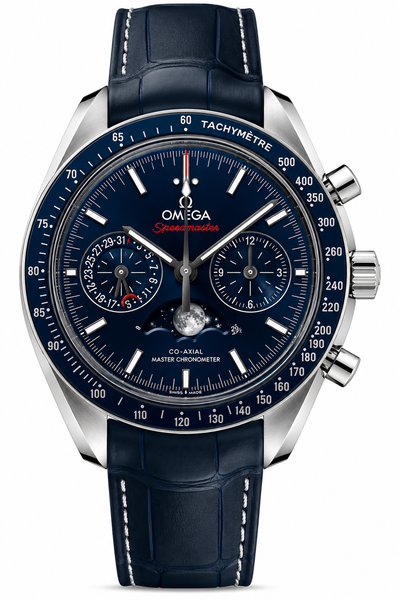
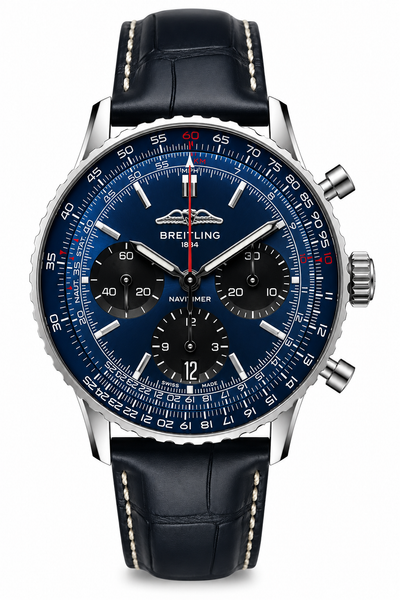
Some in-house movements have long since become legends. The Rolex calibre 3235, for instance, offers a power reserve of around 70 hours and high everyday robustness. With its Co-Axial Master Chronometer movements, Omega relies on a particularly low-friction escapement and strong resistance to magnetic fields. And with its own manufacture chronographs, Breitling underlines its claim as a specialist for sporting timepieces. Calibres like these show how strongly technical independence shapes the character of a watch.
How do you recognise a manufacture movement?
It is not always apparent at first glance whether a watch has an in-house calibre. A few indicators do help with the assessment:
-
An elaborately decorated movement with the brand's signature, visible through the display back
-
The manufacturer's own calibre designation instead of a well-known supplier's name
-
Special complications or unusually long power reserves
-
Certifications such as chronometer or Master Chronometer testing
If in doubt, it is worth looking at the model's official data sheet or seeking advice from an experienced dealer.
Manufacture movements and value development
An in-house calibre is not only a technical argument but an economic one as well. Watches from renowned manufactures often retain their value better than comparable models with a standard movement, because they stand for rarity, brand prestige and long-term serviceability. A positive development in value is never guaranteed – it depends on the model, condition, demand and market situation. Even so, manufacture watches from well-known brands are regularly among the most sought-after timepieces on the market.
Who is a watch with a manufacture movement right for?
A watch with an in-house calibre is aimed at everyone who values technical independence, the highest quality of finishing and long-term stability of value. Collectors appreciate the unmistakable signature of the brand, while enthusiasts know how to value the considered construction and the fine finishing.
Anyone looking above all for a reliable, everyday-capable watch, on the other hand, is equally well served by a high-quality standard movement. In the end, what matters is how much importance you attach to the technical independence and prestige of a manufacture calibre – and what budget you wish to allow for.
Common misconceptions about manufacture movements
-
A manufacture movement does not automatically mean that every single component is produced in-house – individual components are often supplied.
-
A more expensive movement is not necessarily more precise; standard movements also achieve excellent rate accuracy.
-
"In-house" is not a uniformly protected term and is interpreted differently by different manufacturers.
-
A manufacture calibre does not inherently require less maintenance – on the contrary, servicing can be brand-tied and more involved.
Conclusion: why in-house movements make the difference
Manufacture movements represent the highest level of watchmaking. They combine technical independence, individual construction and an unmistakable signature into a whole that goes far beyond mere timekeeping. Anyone choosing a watch with an in-house calibre is opting for a piece of engineering with character – and for a timepiece whose value often remains particularly stable over the years. Whether manufacture or high-quality standard movement: in the end, what counts is that the watch suits your expectations, your style and your budget.
FAQ
Is a manufacture movement always better than a standard movement?
Not necessarily. In-house movements offer greater technical independence and prestige, but high-quality standard movements are convincing in their proven reliability and very good value for money.
How do I recognise a manufacture calibre?
Often by a proprietary calibre designation, an elaborately decorated movement behind the display back, and special complications or certifications.
Are watches with a manufacture movement more stable in value?
They tend to be. Their technical independence and the prestige of the brand often contribute to a particularly stable development in value, though this is never guaranteed.
Is servicing a manufacture movement more involved?
It can be. Because many components are brand-specific, maintenance is often carried out by the manufacturer or brand-owned service centres, which can affect both time and cost.
More from In Depth
All articles
In Depth James Bond and Omega: Why 007 Has Worn a Seamaster Since 1995
In Depth Complete calendar, annual calendar, perpetual calendar: the difference explained simply

In Depth The Watches in “The Gentlemen”: All Models from Seasons 1 and 2 at a Glance