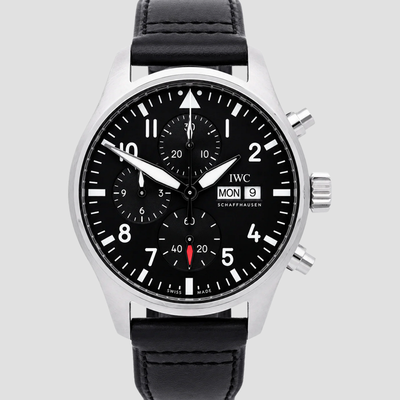
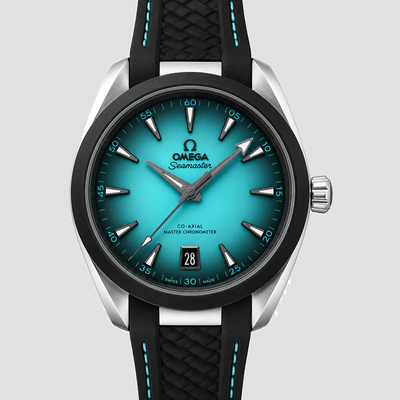
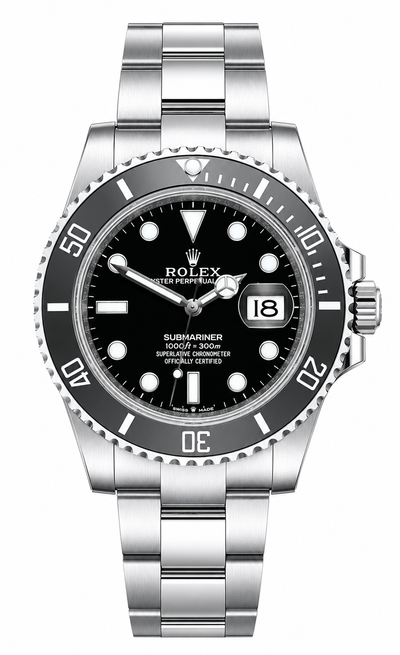
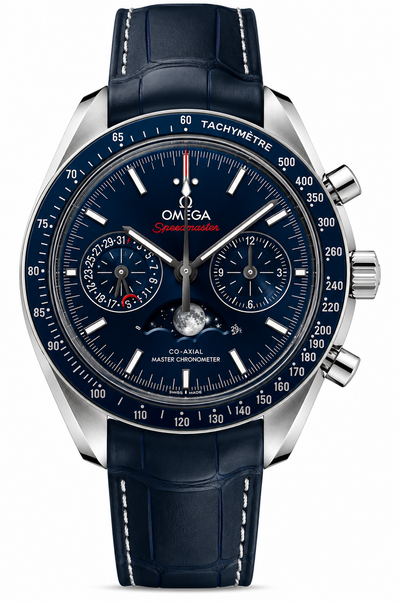
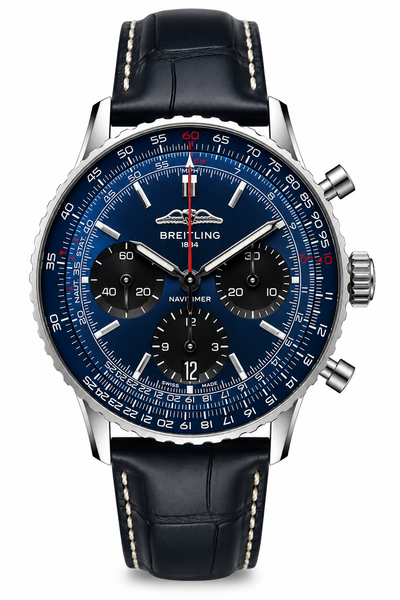
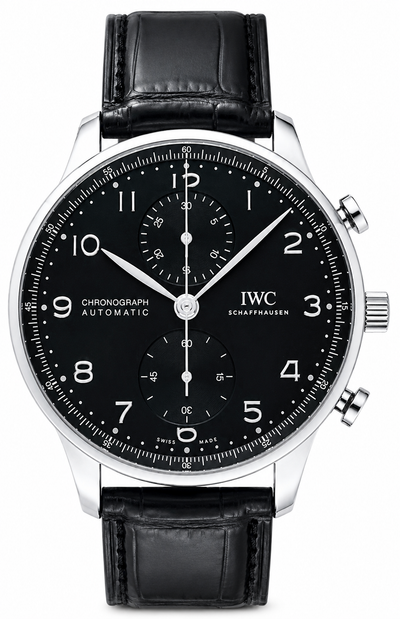
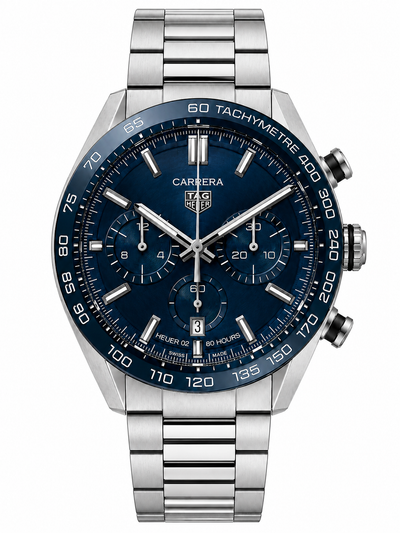
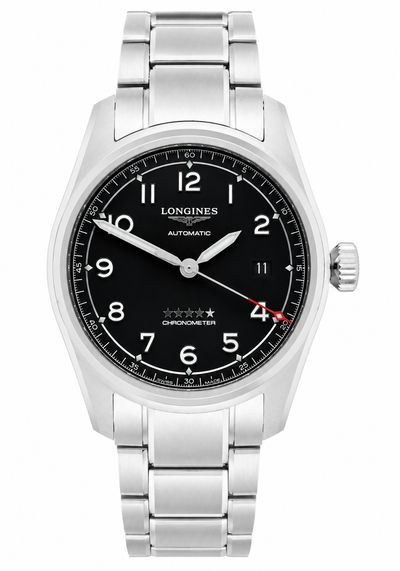
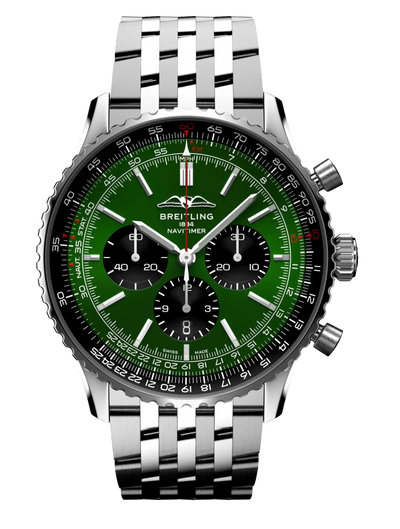
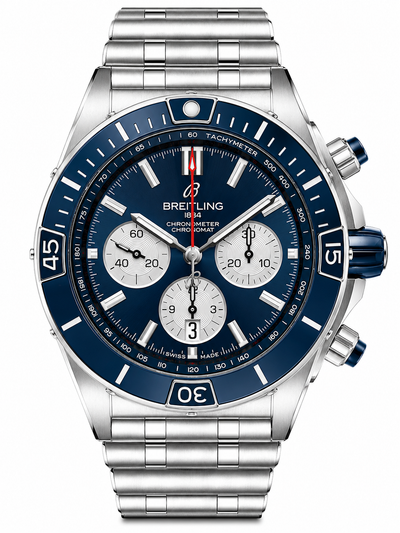
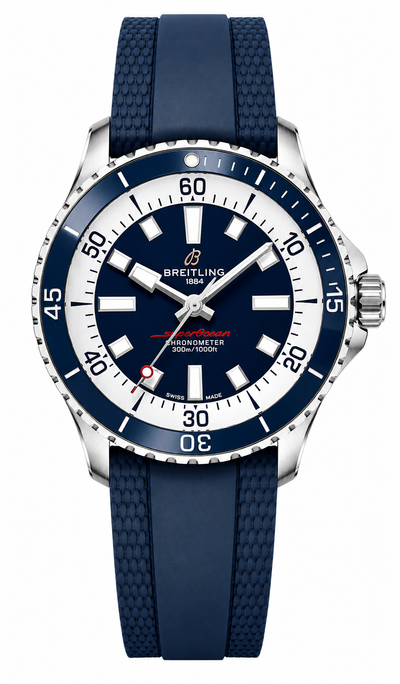
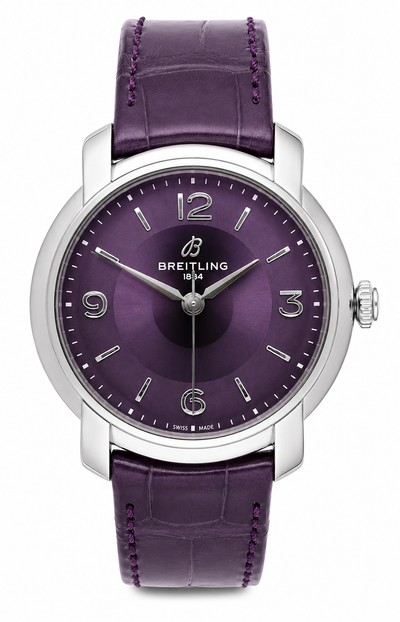
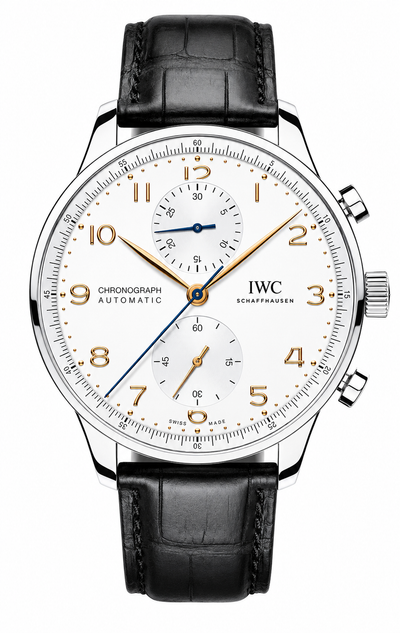
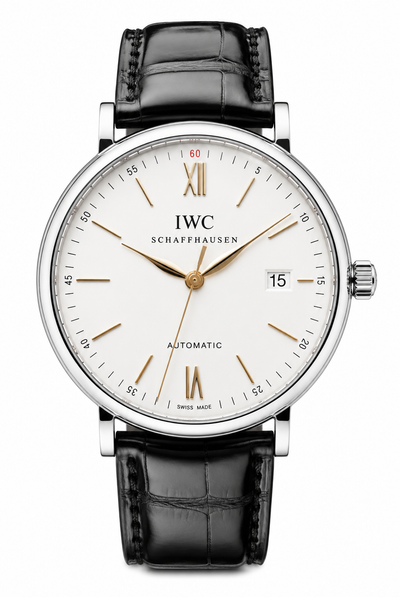
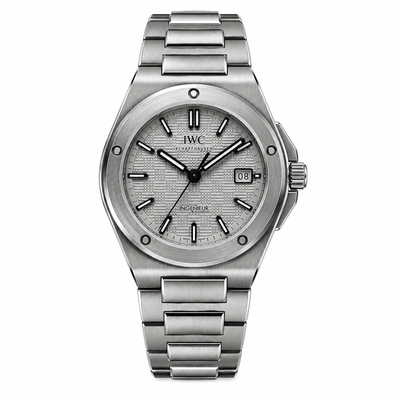
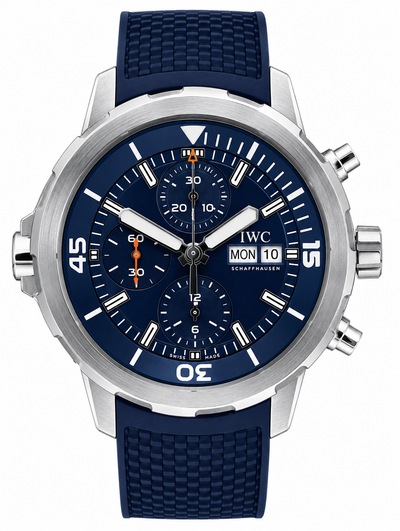
Why stainless steel is the standard material
Watchmaking predominantly uses the 316L alloy, and in some cases the even more resistant 904L. Both contain chromium, which forms an invisible passive layer on the surface and protects the material from rust. Low-nickel alloys also make stainless steel well tolerated by most people.
Polished, satin-finished, sandblasted
The character of a steel watch comes less from the material itself than from how it is finished. Polished surfaces gleam and accentuate edges, satin-finished surfaces look calmer and conceal fine scratches, while sandblasted or bead-blasted surfaces remove all shine from the case. Many manufacturers combine several techniques on a single case.
What you can do about signs of wear
Scratches on satin-finished surfaces can usually be refinished during a service, and polished surfaces are repolished. Each time, a little material is removed, which is why a watch should not be refinished an unlimited number of times. We will be pleased to advise you personally on refinishing and servicing.