Wissensdonnerstag #6: COSC and Master Chronometer – what is the difference?
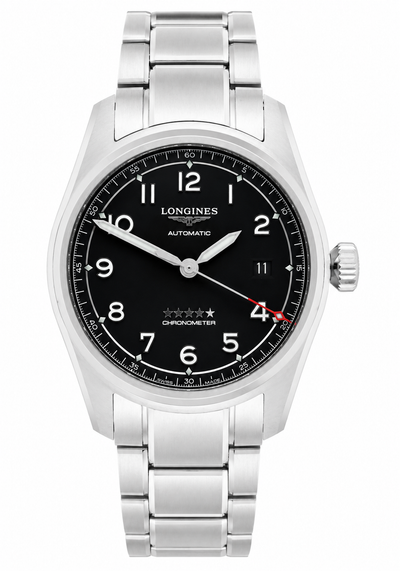
Two terms, one promise: the highest level of precision. Many dials bear the word “Chronometer”, Omega watches the words “Master Chronometer”. Both designations are protected and based on independent testing, but they do not mean the same thing.
The key points
- COSC is the established standard. The Swiss testing institute tests the movement for 15 days. The permitted deviation is –4 to +6 seconds per day.
- Master Chronometer goes further. METAS tests the finished watch, including at 15,000 gauss. The permitted deviation is 0 to +5 seconds per day.
- The tests build on each other. A Master Chronometer has previously passed the COSC test.
COSC: the chronometer test
COSC stands for Contrôle Officiel Suisse des Chronomètres, an independent Swiss testing institute. It tests mechanical movements in accordance with the ISO 3159 standard over 15 days, in five positions and at three temperatures. The movement is tested without its case. If it passes, the watch may bear the title “Chronometer”. The permitted mean daily rate deviation is –4 to +6 seconds.
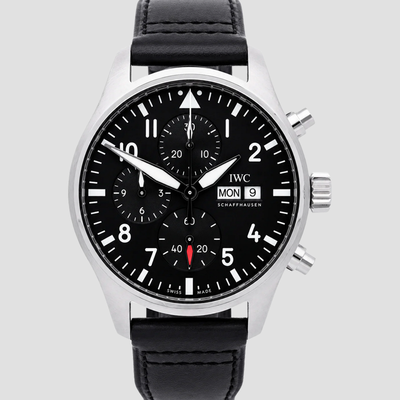
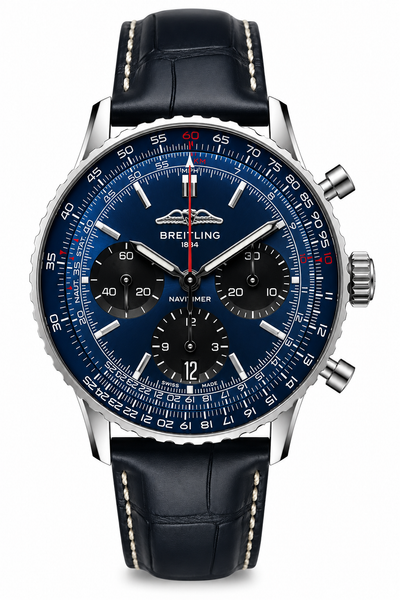
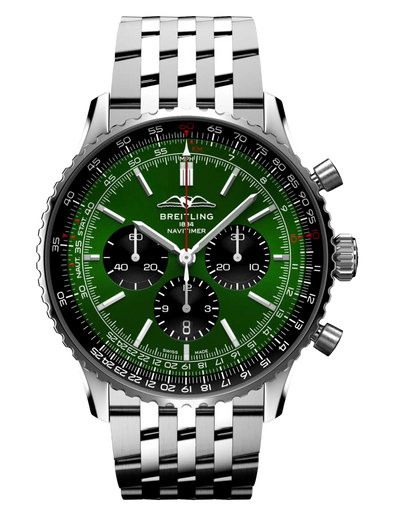
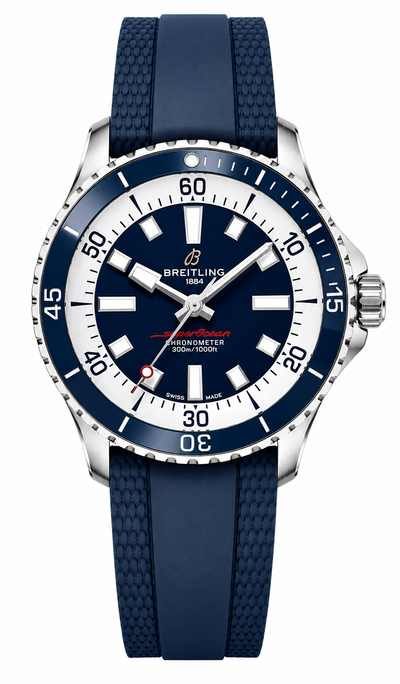
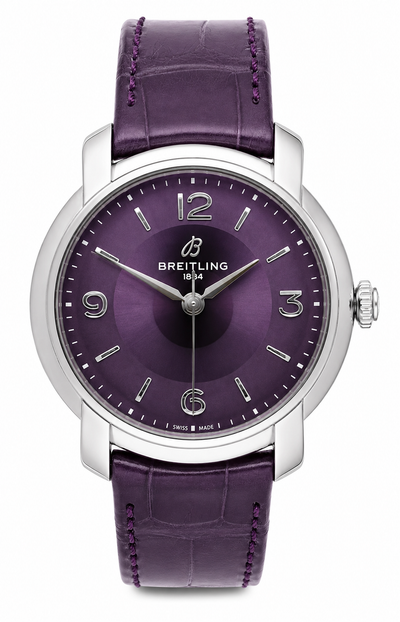
That may sound like a lot, but it is not: a mechanical watch without chronometer certification can deviate considerably more. Brands such as Breitling have all their movements COSC-tested as a matter of principle.
Master Chronometer: testing by METAS
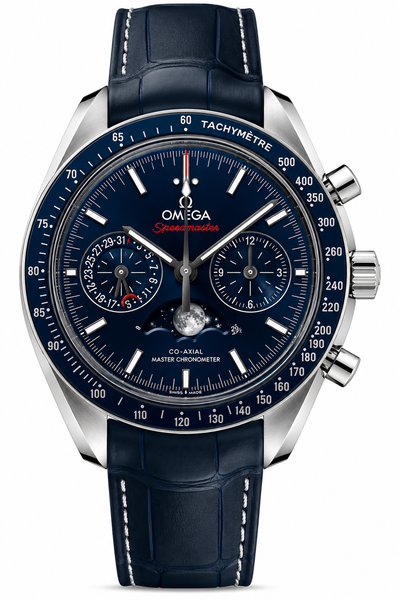
Master Chronometer is a standard that Omega developed together with METAS, the Swiss Federal Institute of Metrology. It is no longer the bare movement that is tested, but the finished watch. Eight tests over ten days cover precision in various positions and temperatures, power reserve, water resistance and resistance to magnetic fields of up to 15,000 gauss. The permitted deviation is 0 to +5 seconds per day.
The magnetic field test is particularly relevant in everyday life. Loudspeakers, bag clasps and electronic devices generate magnetic fields that can noticeably throw a watch off its rate.
Why mechanical watches deviate at all
The heart of a mechanical movement is the balance, an oscillating system consisting of a balance wheel and a hairspring. Even the smallest influences alter its oscillation: temperature, the position of the watch, the state of tension of the mainspring and magnetic fields. A movement lying flat on a table runs differently from one hanging vertically on the wrist. This is why chronometer tests take measurements in several positions and at different temperatures.
Modern materials such as hairsprings made of silicon or special alloys make movements less sensitive to magnetism and temperature. This development is one of the reasons why stricter standards such as Master Chronometer can be achieved at all today.
And Rolex?
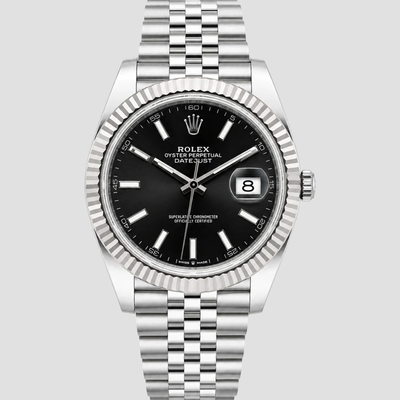
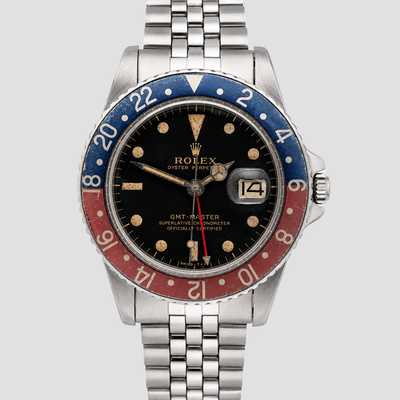
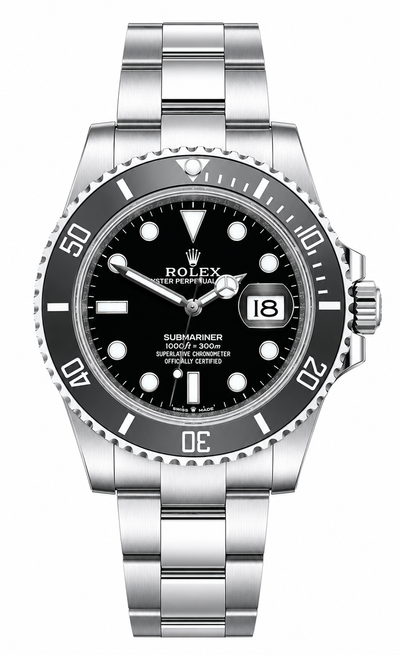
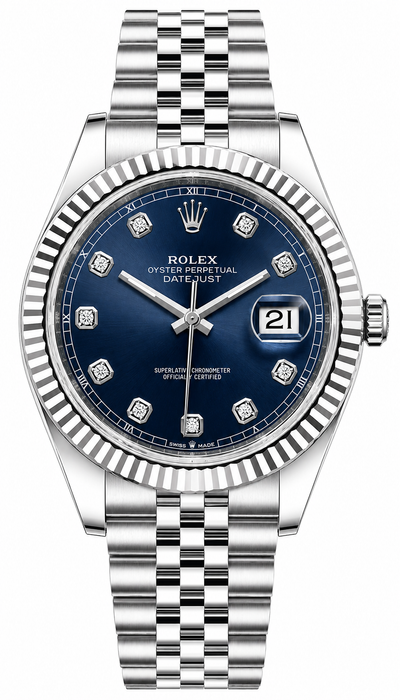
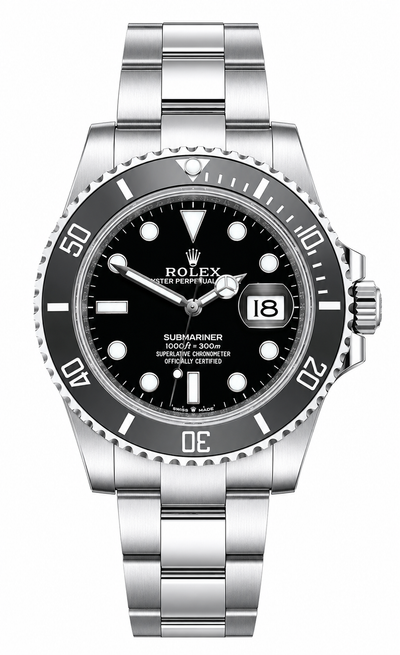
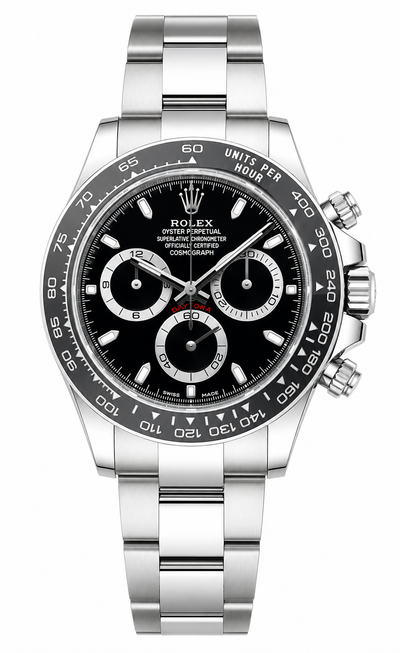
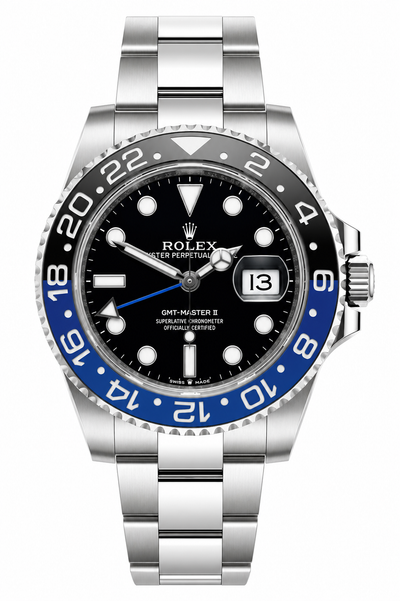
Rolex also has its movements tested by COSC first. The manufacture then tests the finished watch again in-house and sets tighter limits: –2 to +2 seconds per day. At Rolex, the result is called “Superlative Chronometer”.
Examples from our range
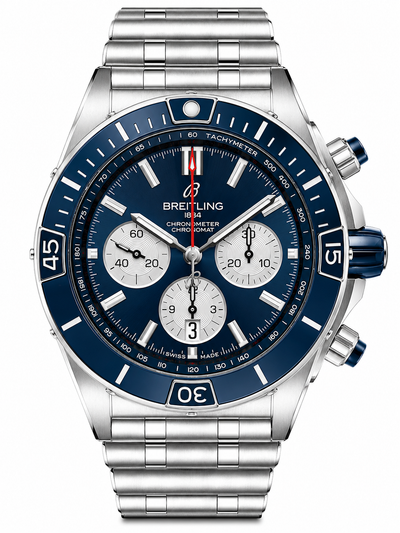
Breitling has all its movements certified as chronometers. The models of the Breitling Chronomat B01 42 bear the word “Chronometer” on the dial, and their in-house calibre B01 is COSC-certified. You will find further models under Breitling Chronomat.
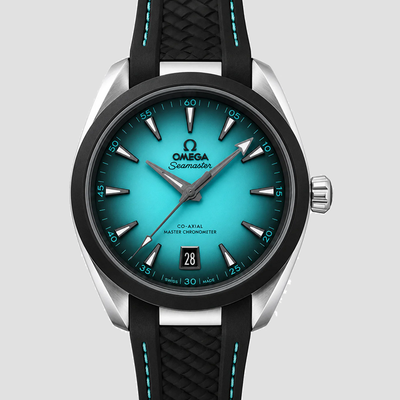
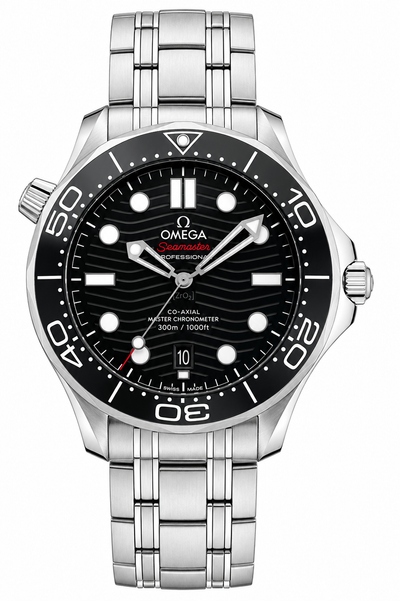
The Omega Seamaster Diver 300M 210.30.42.20.01.001 bears the inscription “Co-Axial Master Chronometer”. Co-Axial refers to the escapement system, Master Chronometer to the passed METAS test. Together, the two designations describe how the movement works and how it was tested.
You will find further certified models under chronometer watches and in our selection of Omega Seamaster Diver 300M watches.
Frequently asked questions (FAQ)
Is a chronometer always more accurate than any other watch?
The certificate confirms that the movement remained within the limits under test conditions. In everyday life, wearing habits, position and power reserve affect accuracy.
Can quartz watches be chronometers?
Yes, COSC also tests quartz movements according to its own, considerably tighter limits.
What does 15,000 gauss mean?
A very strong magnetic field, far stronger than anything encountered in everyday life. A watch that withstands it is practically immune to magnetism.
Conclusion
COSC is the industry standard for mechanical precision. Master Chronometer and Superlative Chronometer are stricter developments that test the finished watch and set tighter limits. Anyone who reads one of these words on a dial knows that this watch has been measured and verified.
Wissensdonnerstag appears every week on Instagram and Facebook. Here in our watch magazine you will find each episode in greater depth – with background, examples from our range and the most frequently asked questions.