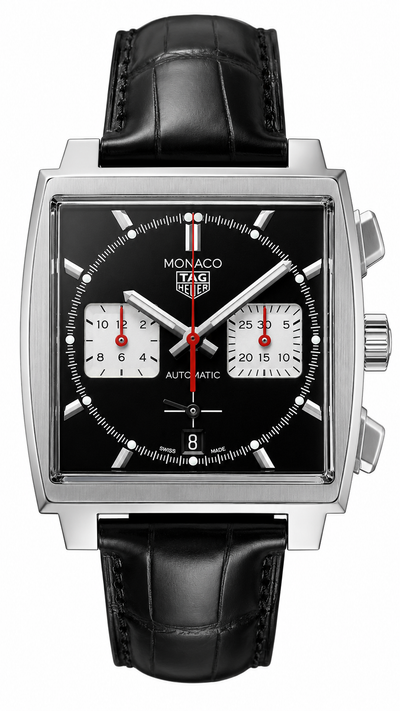
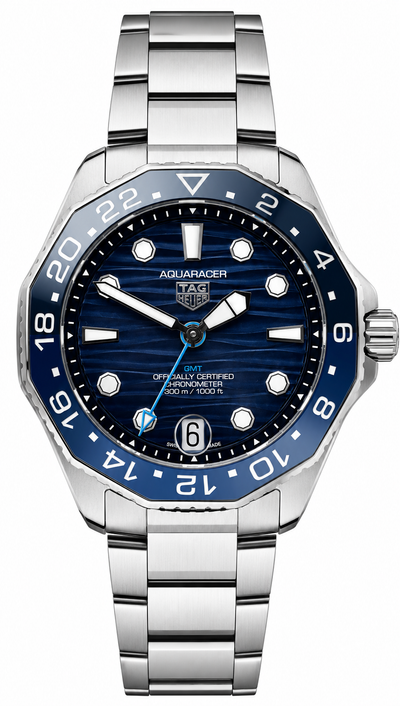
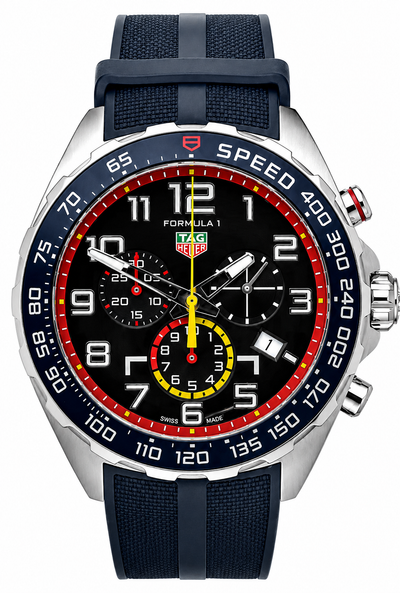
Wissensdonnerstag #8: What exactly is a complication?
In watchmaking, any function that goes beyond hours, minutes and seconds is considered a complication. Strictly speaking, even the date counts. It becomes truly demanding when a movement has to calculate: with time intervals, the lengths of months or the course of the Moon. And all this using nothing but springs, wheels and levers.
The key points
- Complication means additional function. From the date to the chronograph and the perpetual calendar.
- Calendars are the mathematicians. The more a watch knows about the calendar, the more components the movement has to coordinate.
- The perpetual calendar is the supreme discipline. It knows the lengths of the months and leap years and does not need correcting until the year 2100.
The chronograph: measuring time
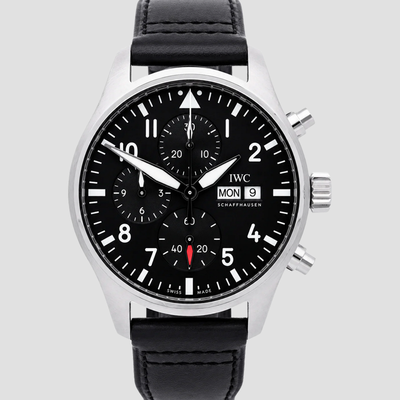
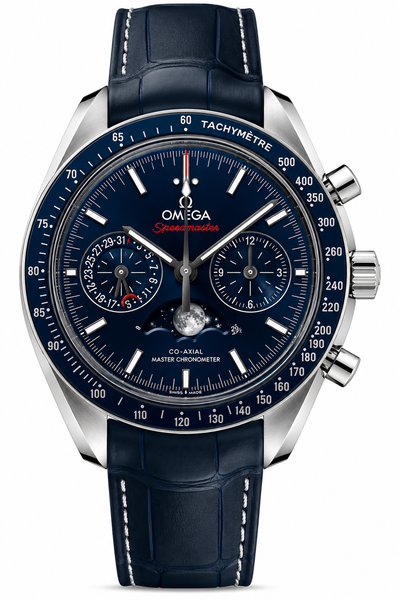
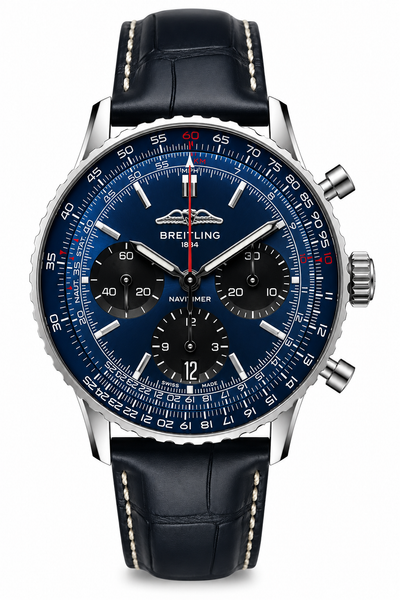
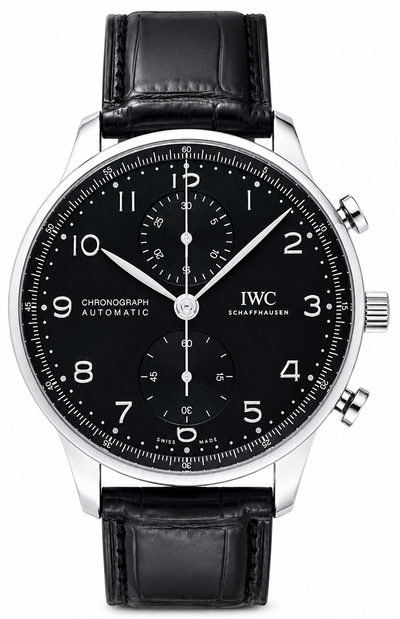
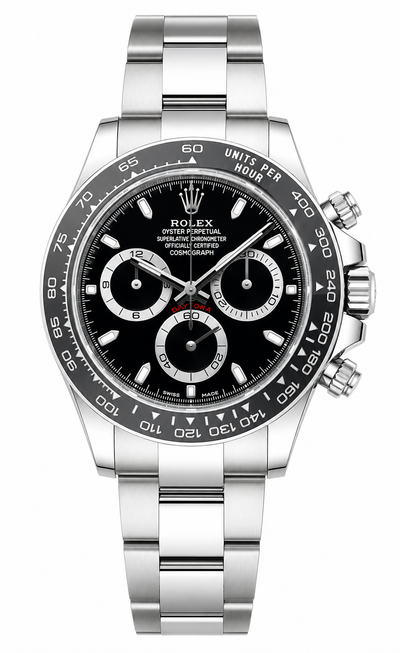
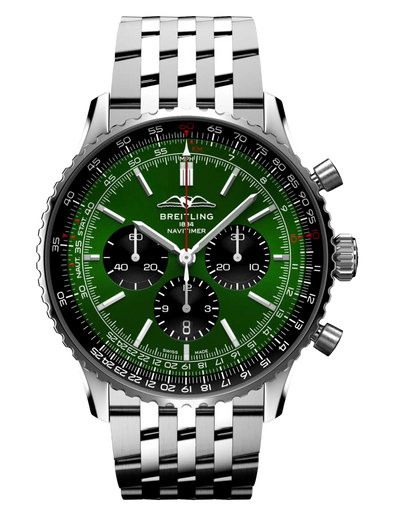
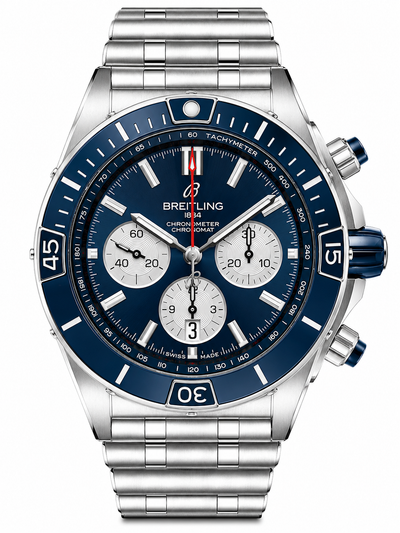
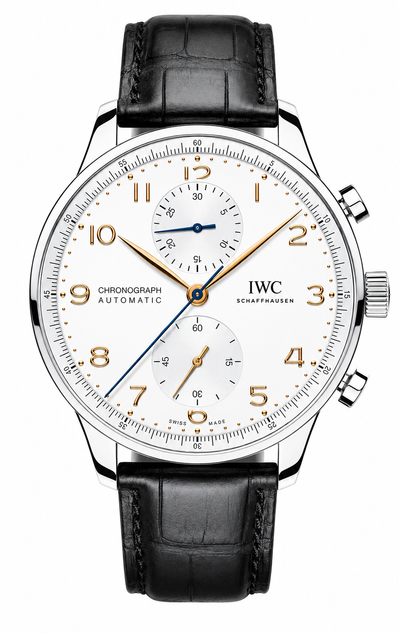
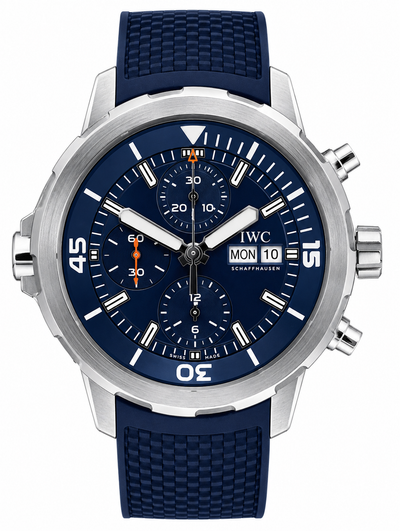
The best-known complication is the chronograph. It measures time intervals independently of the time of day and is controlled by two pushers: the upper one starts and stops, the lower one resets. Sub-dials count the elapsed minutes and hours.
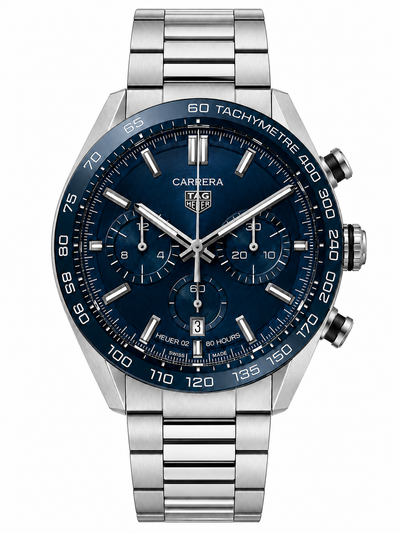
Many chronographs feature a tachymeter scale on the bezel. It converts a measured time into a speed: if the time taken to cover one kilometre is measured, the scale shows the average speed in kilometres per hour. More on this in our article on the tachymeter.
The annual calendar: 30 or 31 days
A simple date display advances to the 31st every month. If a month has only 30 days, it has to be corrected by hand – five times a year. An annual calendar automatically distinguishes between months with 30 and 31 days. Only at the end of February does it need correcting, once a year. Patek Philippe introduced this complication in 1996, closing the gap between the simple date and the perpetual calendar.
The perpetual calendar: until the year 2100
The perpetual calendar also knows February and leap years. To achieve this, the movement needs a programme wheel that maps a four-year cycle. It does not need correcting until the year 2100, as 2100 is not a leap year under the Gregorian calendar. An overview of these watches can be found under perpetual calendar watches.
The moon phase
The moon phase display replicates the synodic month, the time from one new moon to the next, around 29.5 days. Simple displays deviate by one day after about two and a half years, precise constructions only after more than a hundred years. Moon phases are frequently found in combination with calendars.
Further complications at a glance
- Flyback – a chronograph that can be reset and restarted with a single press. More on this in our article on the flyback function.
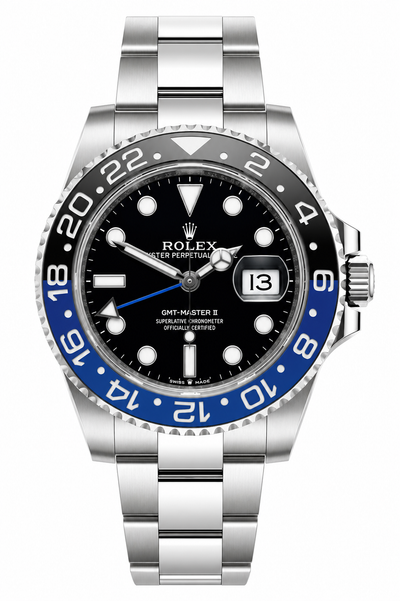
- GMT and world time – display of additional time zones, explained in Wissensdonnerstag #3.
- Power reserve indicator – shows how much energy is left in the mainspring.
- Minute repeater – chimes the time on demand using gongs and is regarded as one of the most demanding complications of all.
The tourbillon is often included, but strictly speaking it is not a display but a device for compensating for rate deviations. More on this in our article All eyes on Tourbillon.
Examples from our range
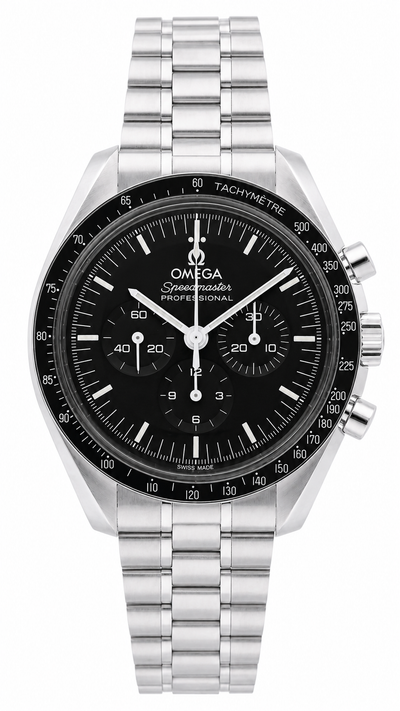
The Omega Speedmaster Moonwatch Professional 310.32.42.50.01.001 is the best-known chronograph in the world, with a tachymeter scale on the bezel.
The Patek Philippe Annual Calendar 5147G-001 combines the annual calendar with a moon phase and power reserve indicator. The day of the week, date and month are each shown in their own windows or on sub-dials.
The Patek Philippe Perpetual Calendar Chronograph 5270P-001 represents the supreme discipline: perpetual calendar, chronograph and moon phase in a platinum case. You will find further models under Patek Philippe Grand Complications and Patek Philippe Complications.
Frequently asked questions (FAQ)
Is a date a complication?
Formally, yes, as it goes beyond simply displaying the time. In common usage, however, the term complication usually refers to more elaborate functions.
What is the difference between an annual calendar and a perpetual calendar?
The annual calendar has to be corrected once a year at the end of February. The perpetual calendar also knows February and leap years and runs until 2100 without correction.
What happens if a perpetual calendar stops?
It has to be reset, usually by means of corrector pushers. This is why a watch winder is worthwhile for such watches.
Conclusion
Complications show what mechanics can achieve. A chronograph measures, an annual calendar counts and a perpetual calendar calculates decades ahead. The more a watch knows about the calendar, the more watchmaking artistry there is in its movement.
Wissensdonnerstag appears every week on Instagram and Facebook. Here in our watch magazine you will find each episode in greater depth – with background, examples from our range and the most frequently asked questions.