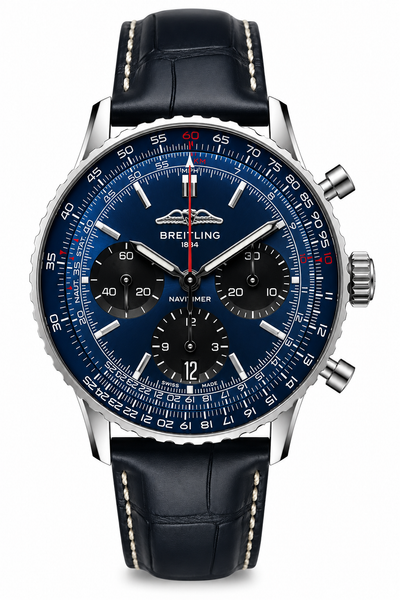
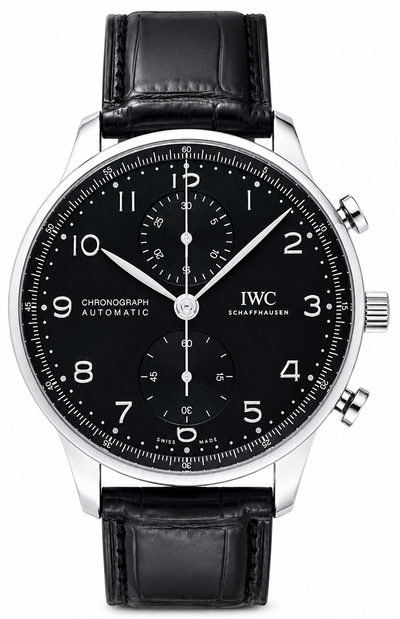
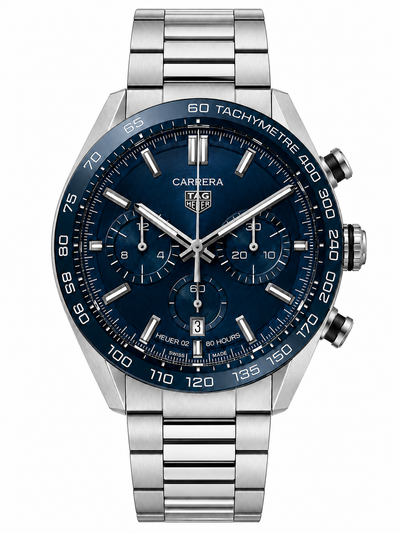
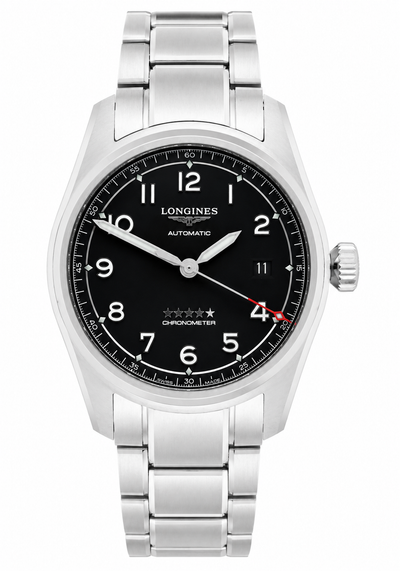
Wissensdonnerstag #9: Steel, titanium or ceramic?
The case material determines how heavy a watch feels on the wrist, how the case ages and what it forgives in everyday life. Stainless steel, titanium and ceramic are the three most important materials alongside precious metals such as gold and platinum. Each has a character of its own.
The key points
- Stainless steel is the versatile classic. Robust, polishable and can be refinished during a service.
- Titanium is light. For the same volume, it weighs around 40 per cent less than steel.
- Ceramic is virtually scratch-proof. Under a hard impact, however, it can break.
Stainless steel: the classic
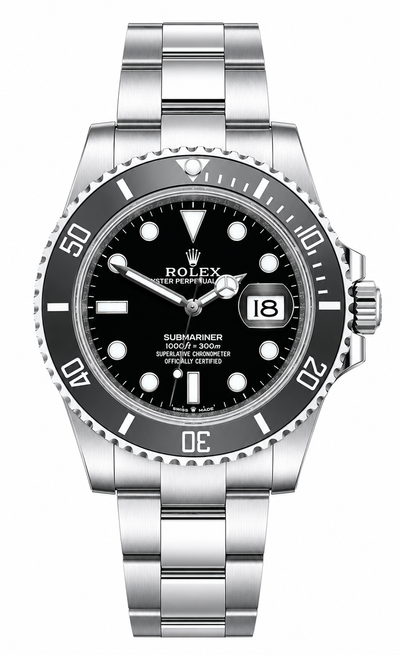
Most luxury watches are made of stainless steel, usually grade 316L. Since the 1980s, Rolex has used a grade 904L steel, which it now calls Oystersteel. Its high chromium and molybdenum content makes it particularly resistant to corrosion and easy to polish.
Steel can be given a high-gloss polish or a satin finish. Scratches are inevitable, but they can be refinished during a service. How this works is described in our article Polishing and removing scratches.
Titanium: lightness on the wrist
For the same volume, titanium weighs around 40 per cent less than steel, is kind to the skin and resistant to corrosion. Pure titanium, however, is softer and scratches more easily. Many manufacturers therefore use alloys or harden the surface. Visually, titanium appears slightly darker and more matt than steel.
With large watches in particular, the weight makes a noticeable difference: a titanium watch with a diameter of 41 millimetres often feels lighter on the wrist than a smaller steel watch.
Ceramic: hard and colourfast
In watchmaking, ceramic usually means zirconium oxide. The material is many times harder than steel and virtually scratch-proof in everyday use. It is coloured throughout and does not fade even after years in the sun. This is why many manufacturers use ceramic for bezels, including on steel watches.
The downside: ceramic does not deform, it breaks. A hard knock on an edge can cause it to chip. Polishing as with steel is not possible.
And gold or platinum?
Precious metals play in a league of their own. Gold is considerably heavier and softer than steel, develops a patina of fine signs of wear over time and can be polished again during a service. Many manufacturers use their own alloys to keep the colour stable, Rolex for example with Everose gold. Platinum is heavier still and is considered particularly refined precisely because it is so discreet: at first glance, a platinum watch looks like steel. Some brands therefore identify it with small details, Patek Philippe for example with a small diamond set in the case at 6 o’clock.
Examples from our range
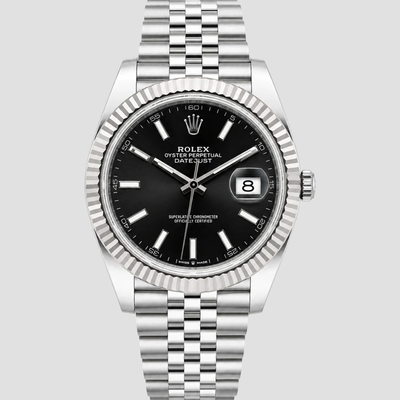
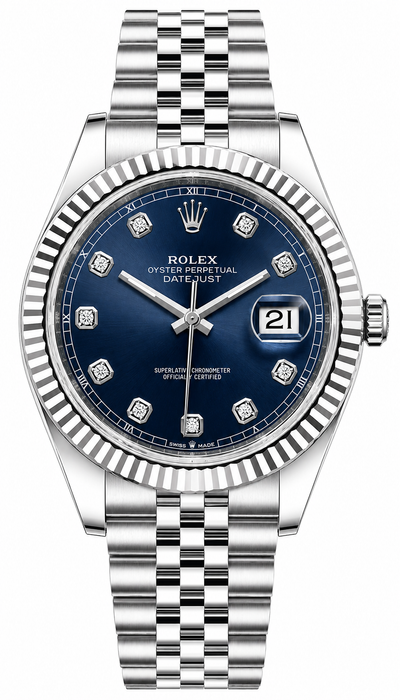
The Rolex Datejust 41 126300 shows stainless steel at its best: Oystersteel, a smooth bezel and the interplay of polished and satin-finished surfaces. You will find further versions under Rolex Datejust.
The Grand Seiko Heritage “Snowflake” SBGA211G has a case and bracelet made of high-intensity titanium. Despite its 41-millimetre diameter, it feels noticeably lighter on the wrist than a comparable steel watch. More under Grand Seiko Heritage.
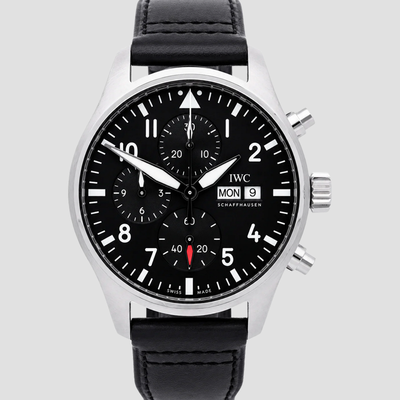
The IWC Pilot's Watch Chronograph 41 Top Gun IW389401 has a case made of black ceramic. More under IWC Pilot's Watch TOP GUN and in our selection of ceramic watches.
Frequently asked questions (FAQ)
Which material is the most scratch-resistant?
Ceramic. It is considerably harder than steel and titanium and shows hardly any scratches in everyday use.
Is titanium suitable for people with allergies?
Titanium is considered particularly skin-friendly and is nickel-free. This is why it is also used in medical technology.
Can ceramic be repaired?
Scratches hardly at all, chips not at all. Damaged ceramic parts are replaced.
Conclusion
Steel is versatile and durable, titanium light and ceramic scratch-resistant. Which material is the right one depends on how a watch is worn: every day at the office, during sport or as a robust tool.
Wissensdonnerstag appears every week on Instagram and Facebook. Here in our watch magazine you will find each episode in greater depth – with background, examples from our range and the most frequently asked questions.