How a chronometer is tested
The term chronometer is protected and requires passing a test by an independent body – in Switzerland usually the COSC. Testing takes place over 15 days in five positions and at three temperatures. The limit is an average daily rate deviation of minus four to plus six seconds; movements that do not meet this tolerance may not bear the designation.
In-house standards beyond the COSC norm
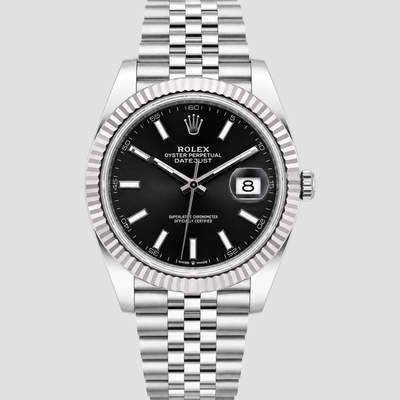
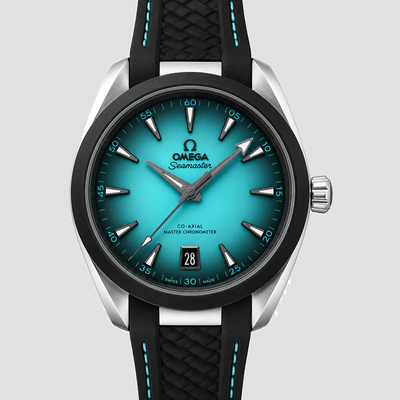
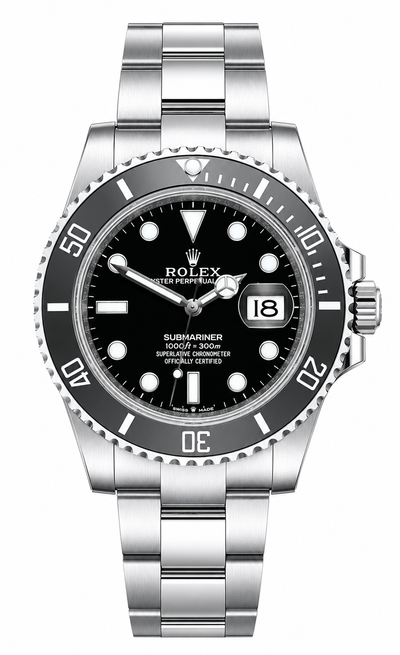
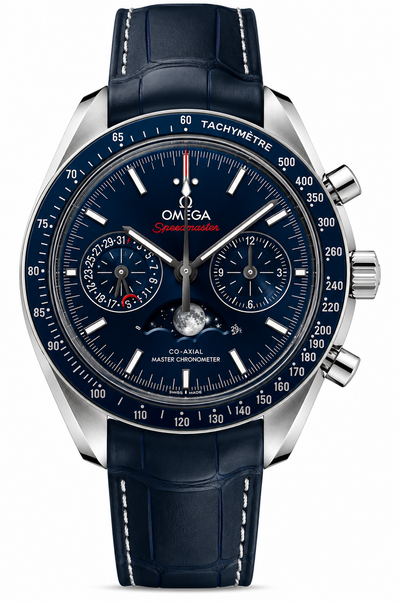
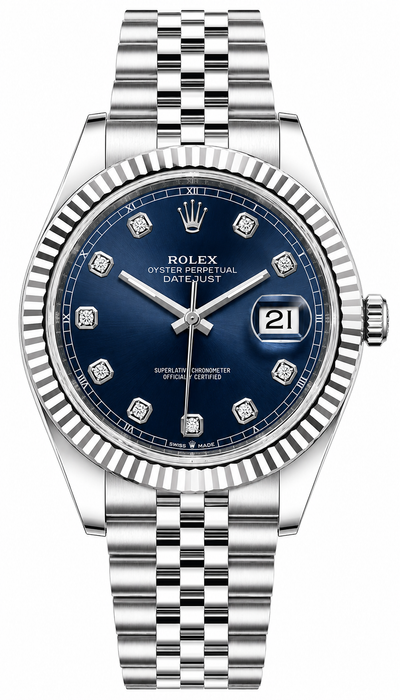
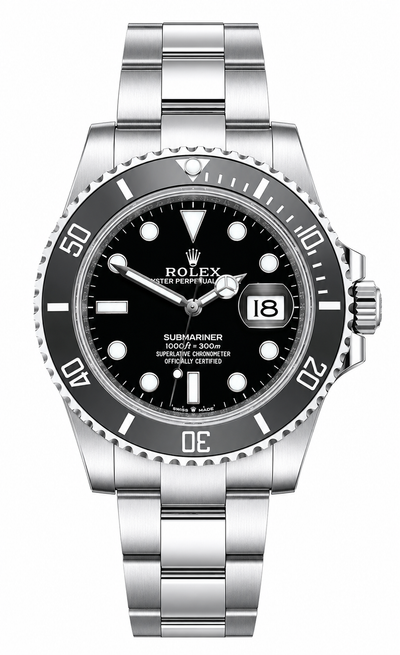
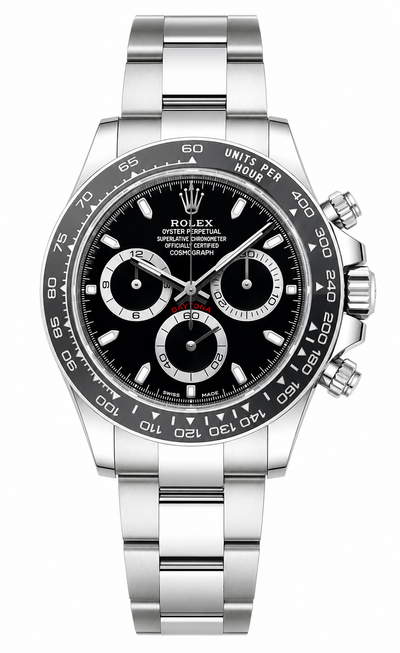
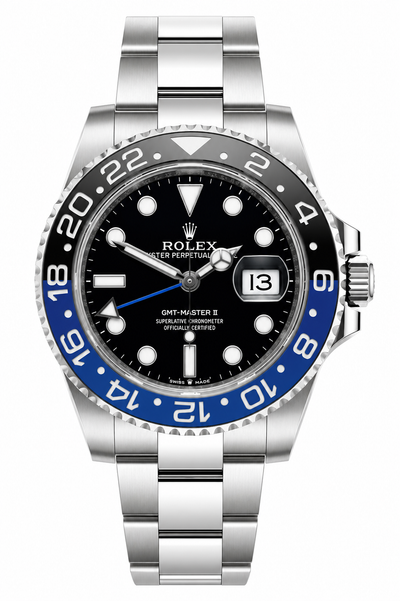
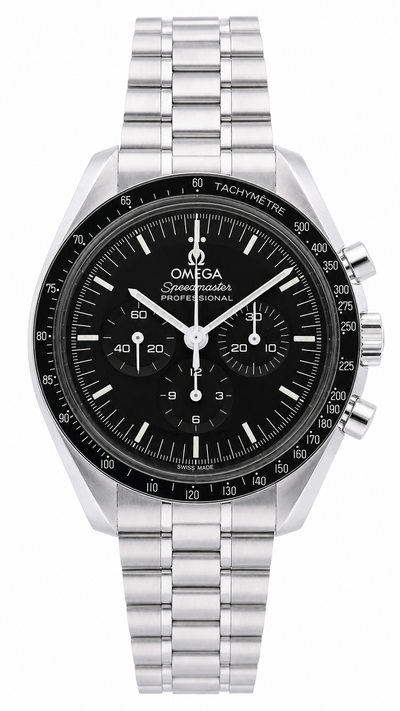
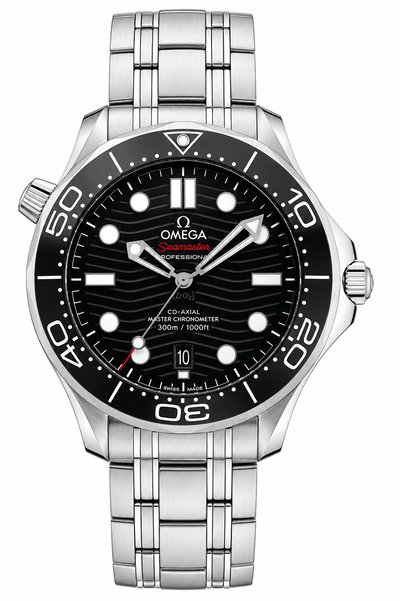
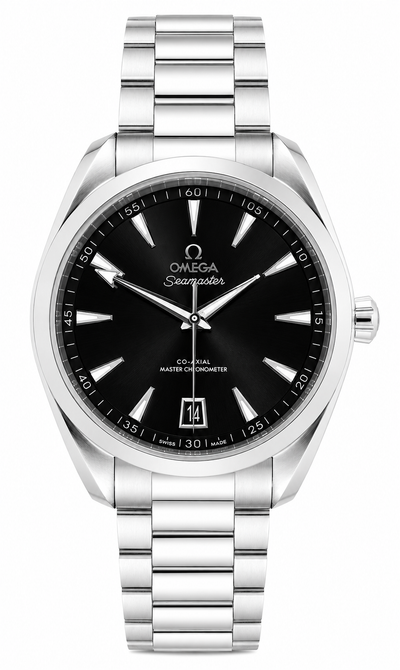
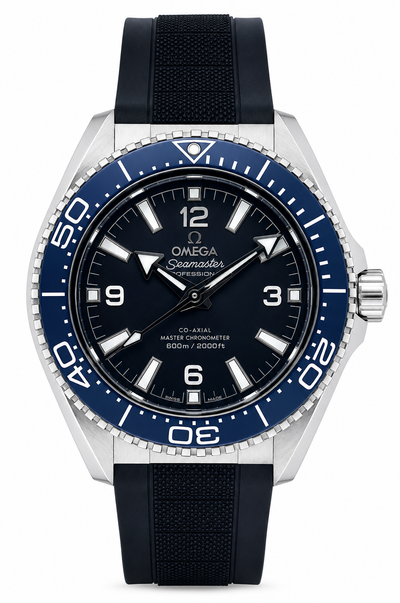
Several manufactures also apply their own, stricter standards and test the fully assembled watch rather than just the uncased movement. Rolex, for example, specifies minus two to plus two seconds per day for its models, while Omega tests according to the Master Chronometer standard, including exposure to magnetic fields. Such certificates say a great deal about a manufacture's production effort and play an important role in the later valuation of a watch.
Chronometers at HORANDO
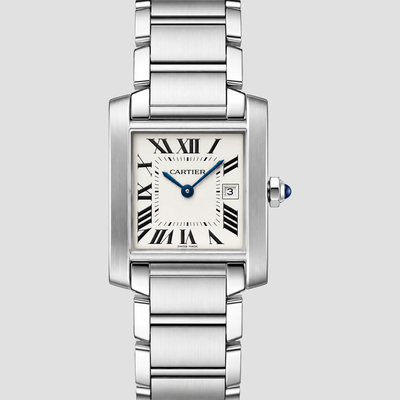
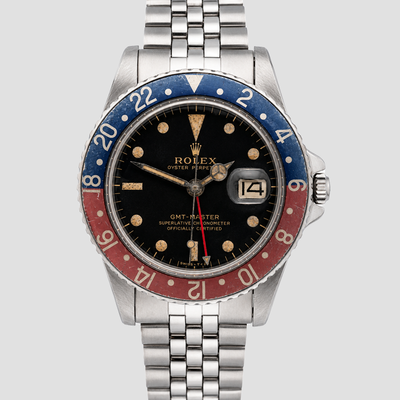
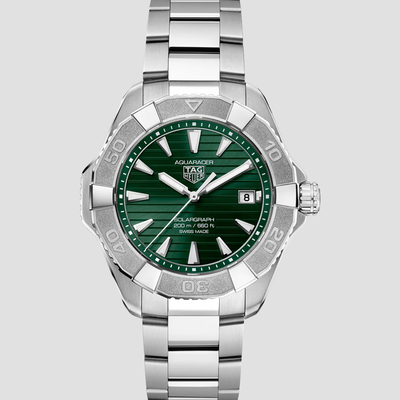
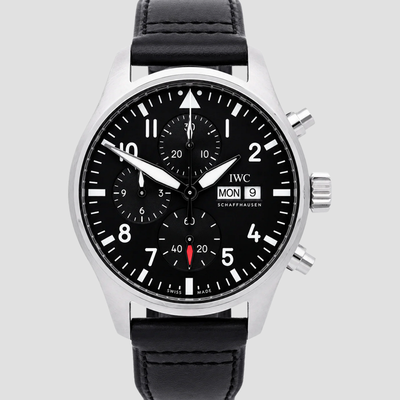
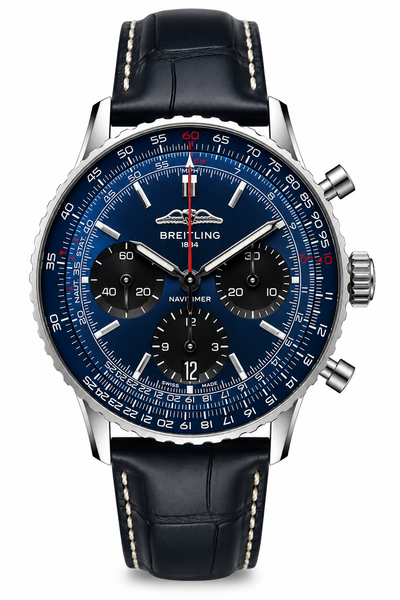
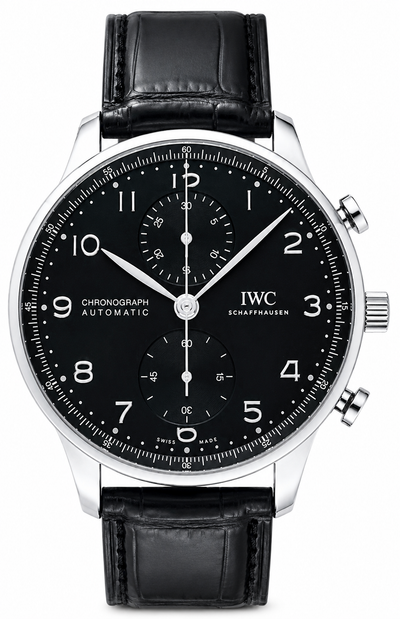
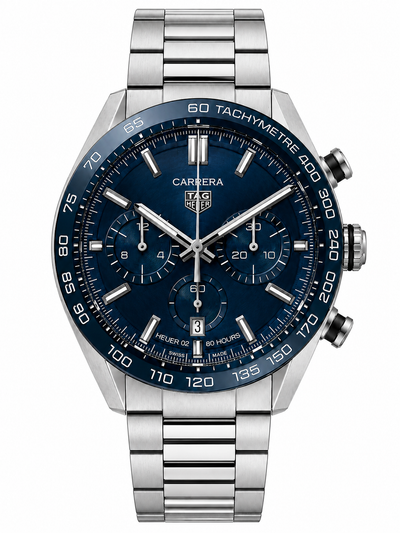
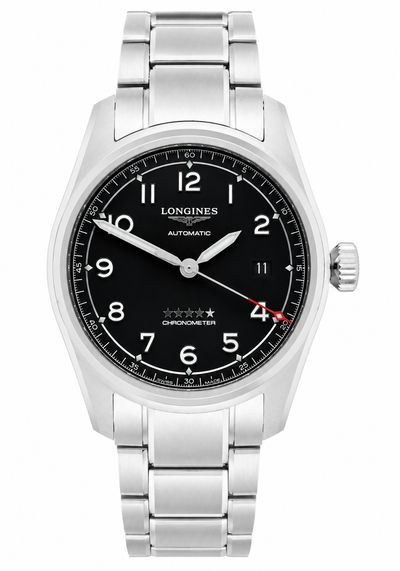
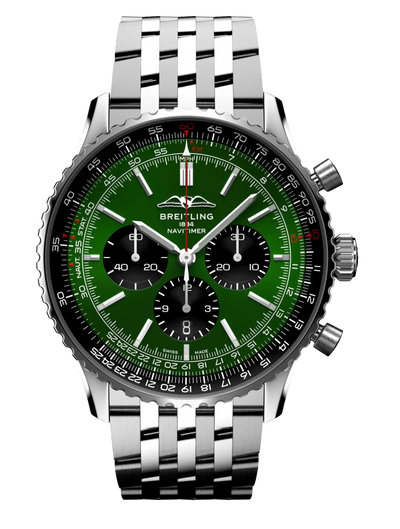
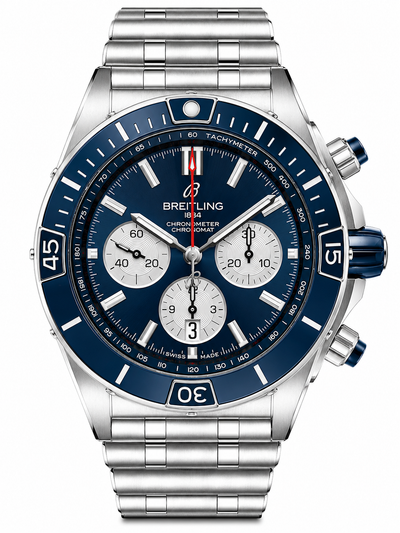
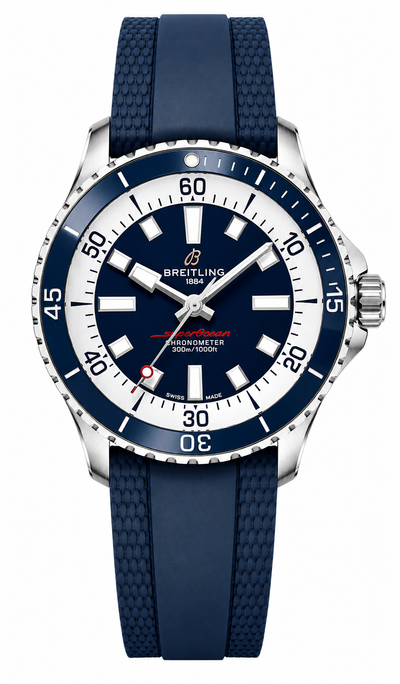
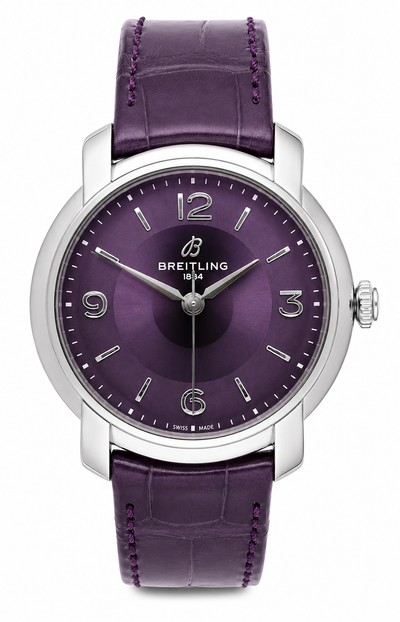
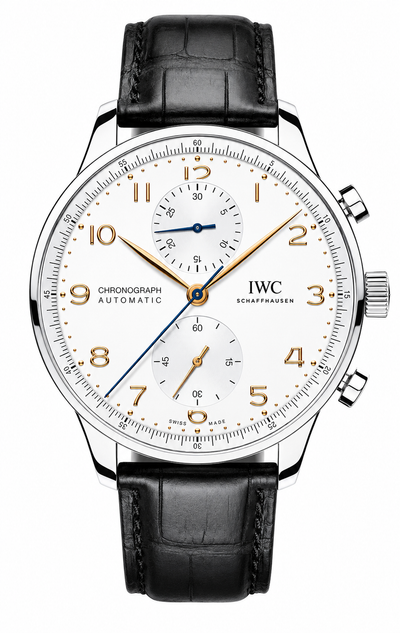
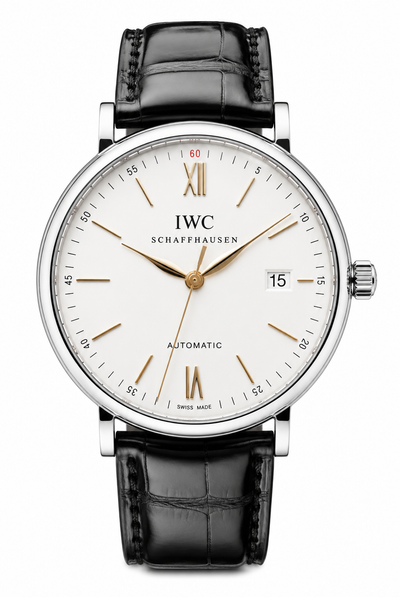
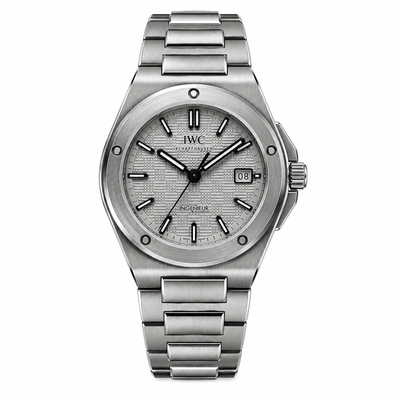
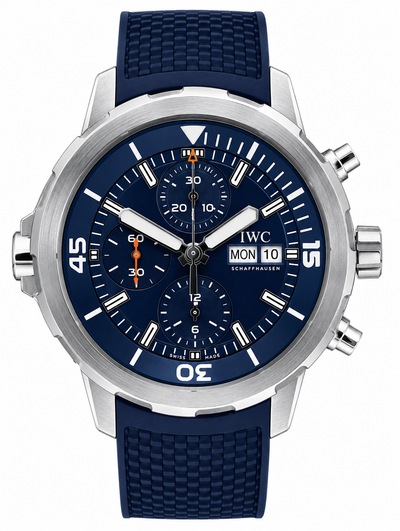
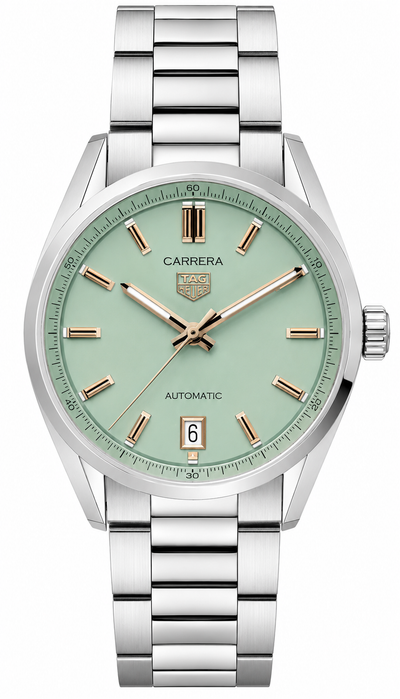
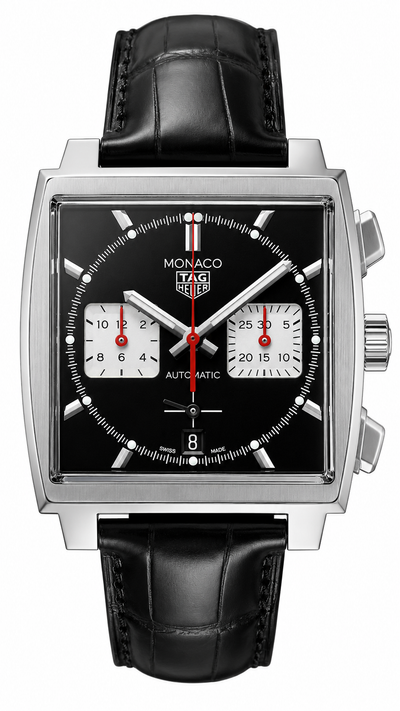
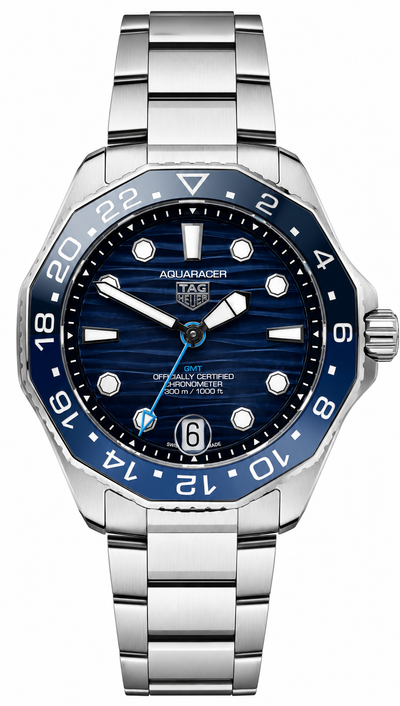
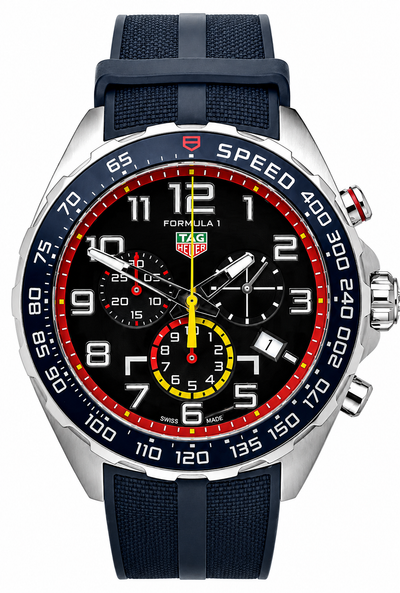
In this overview you will find certified models from various manufactures, from the sporty dive watch to the classic dress watch. The respective certificate is included with the watch, and every watch is inspected before shipping and delivered with the manufacturer's warranty.