Wissensdonnerstag #15: Steel, leather or rubber?
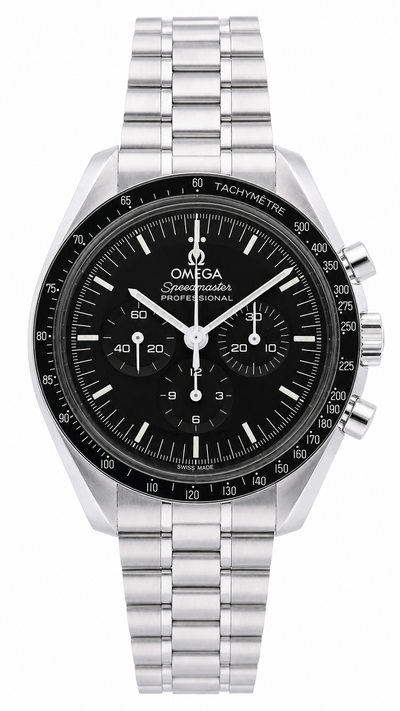
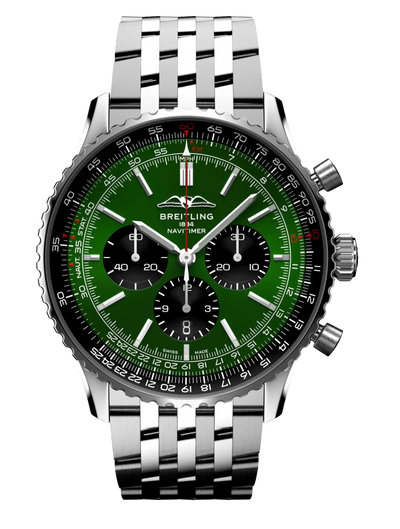
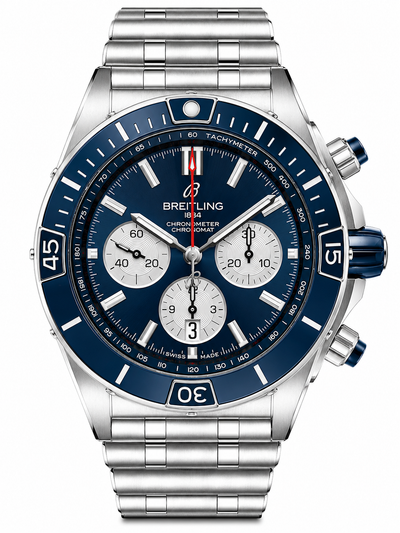
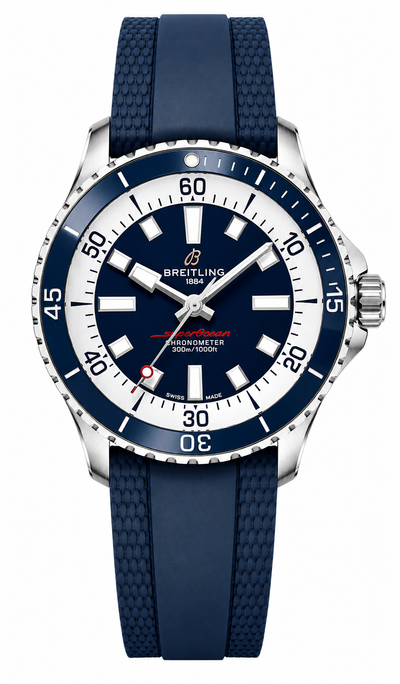
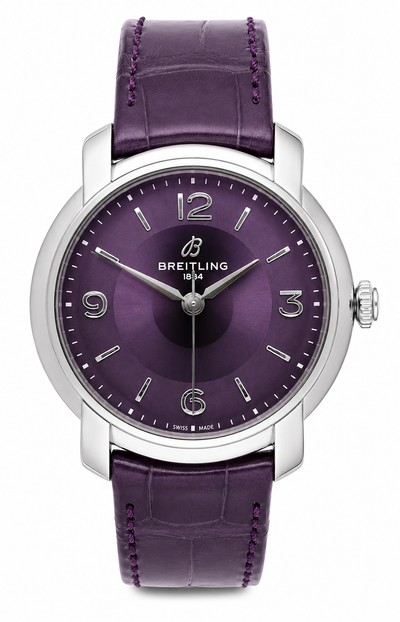
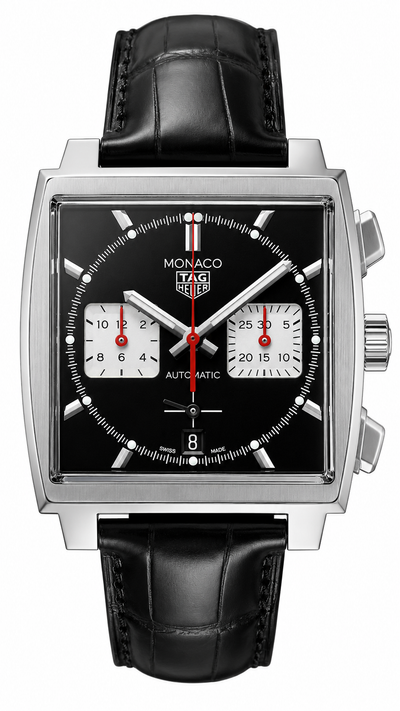
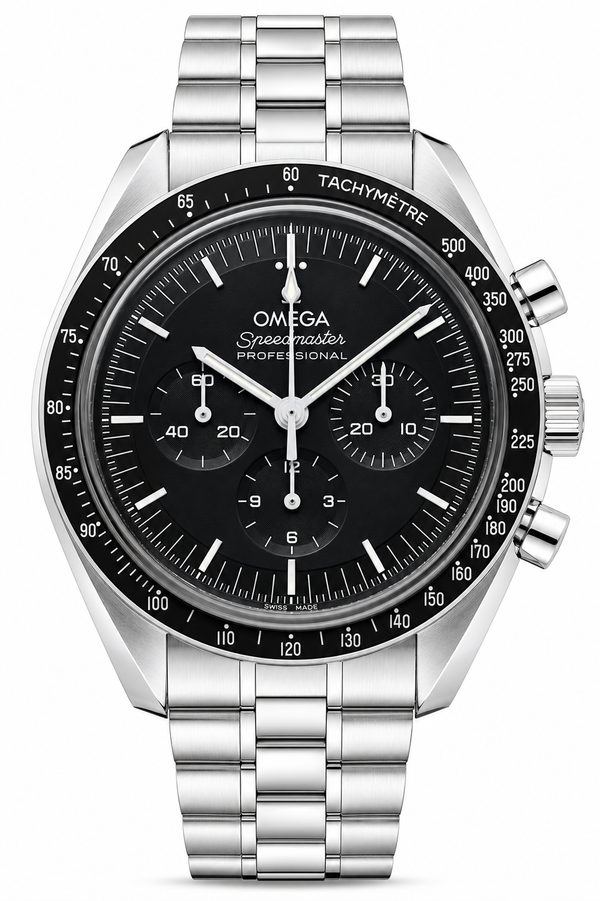
The strap often shapes the character of a watch more than the dial. It determines comfort and weight, defines where the watch can be worn and helps decide whether it belongs in the office, on the beach or at dinner. Three materials dominate: stainless steel, leather and rubber. Three watches from the collection show what each material can do – the Omega Speedmaster Moonwatch Professional on a steel bracelet, the TAG Heuer Monaco on a blue alligator leather strap and the Longines HydroConquest with ceramic case on a rubber strap.
Key points
- Steel is the all-round material. A link bracelet is robust, water-resistant and can be cleaned and refinished by a partner watchmaker.
- Leather stands for elegance. It is light and pleasantly warm on the wrist, but does not tolerate water and sweat over time and is considered a wear part.
- Rubber is the choice for water and sport. High-quality rubber stays supple and is unaffected by salt water and sunscreen.
Stainless steel: robust for every day
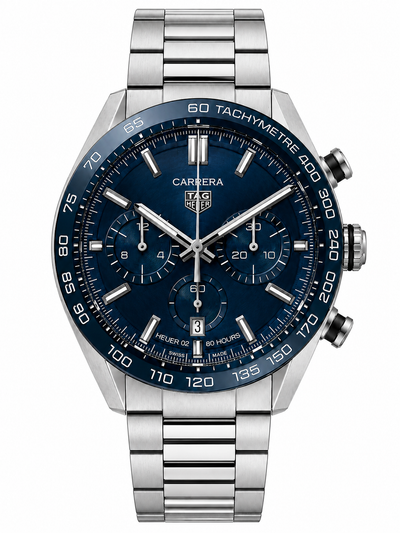
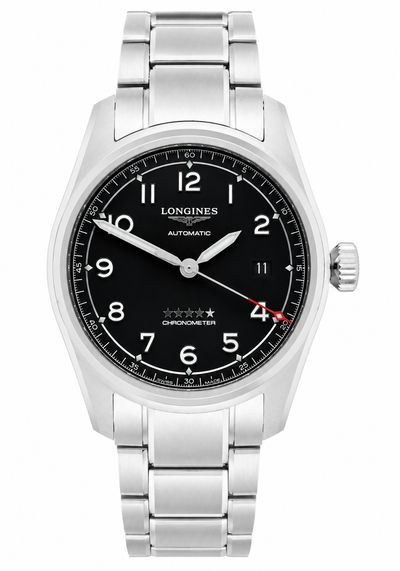
A stainless steel link bracelet is the most versatile option. It withstands water, sweat and temperature changes, suits a suit as well as casual wear and ages together with the case. Over time, fine scratches on bracelet and case tell the story of the watch. For a fresher look, bracelet and case can be cleaned and refinished by a partner watchmaker during a service. The article Polishing and removing scratches from watches explains the limits of polishing. Over the years the connections between the links can wear, giving the bracelet some play. A folding clasp keeps the watch securely on the wrist when putting it on.
Leather: elegant and light
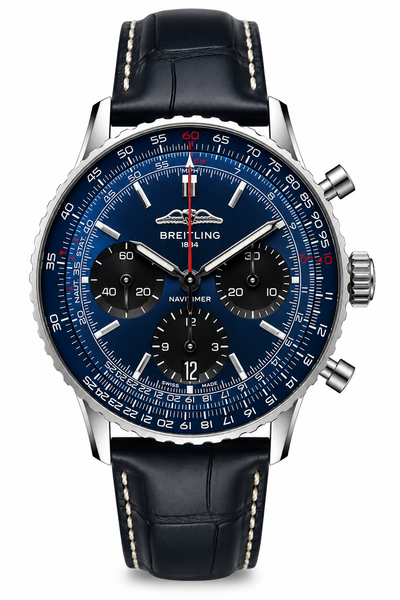
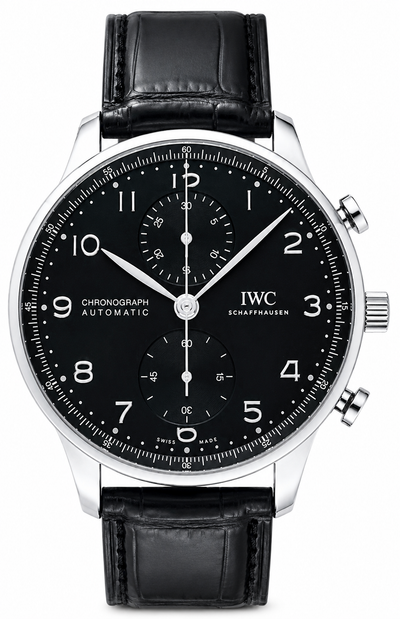
Leather is the classic material for dress watches. It is light, takes on body warmth and moulds itself to the wrist over time. Fine leathers such as alligator show a distinctive scale pattern, while calfskin looks more understated. The drawback: Leather is a natural material and reacts to moisture. Water, sweat and cosmetics can make it swell, discolour or become brittle. A leather strap is therefore a wear part that is replaced every few years depending on how often it is worn. A folding clasp also protects the leather, because the strap is not bent through the keeper every time the watch is put on. In high summer and during sport, a leather strap is best left in the drawer. Further advice can be found in the article Protecting watches properly in summer.
Rubber: made for water
Rubber was long regarded as a purely sporty material. Today manufacturers use high-quality compounds that stay supple and feel comfortable on the skin. Water, salt and sunscreen leave the material unaffected. After swimming, a rinse with clean fresh water is all it needs. This makes rubber the logical choice for dive watches and sports watches. For dive watches according to ISO 6425, the strength of the strap attachment is also among the tested properties. What else makes a genuine dive watch is explained in Wissensdonnerstag #7: What makes a genuine dive watch? How much water a watch can take in everyday life is shown in Wissensdonnerstag #14: How water-resistant is a watch really?
A strap change transforms the watch
Many watches can be fitted with a different strap using spring bars. The same watch looks timelessly sporty on a steel bracelet, elegant on a leather strap and ready for a holiday on a rubber strap. What matters is the lug width, the distance between the lugs of the case. With integrated bracelets or cases with their own end links, only the manufacturer's original strap fits. Having the strap changed by a partner watchmaker ensures that case and spring bars remain undamaged. Which case material suits which purpose is shown in Wissensdonnerstag #9: Steel, titanium or ceramic?
Examples from our collection
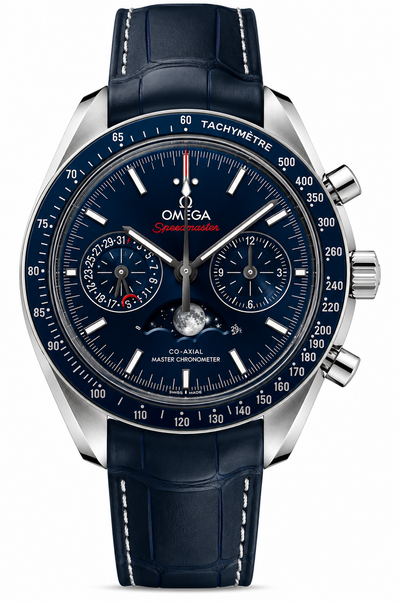
The Omega Speedmaster Moonwatch Professional 310.30.42.50.01.002 comes on a stainless steel link bracelet with folding clasp. It matches the robust character of the hand-wound chronograph with calibre 3861, and the watch is water-resistant to 50 metres. The TAG Heuer Monaco Calibre TH20-00 CBL2111.FC6453 shows how a blue alligator leather strap with folding clasp picks up the colour of the dial and gives the square 39 mm case an elegant touch. The Longines HydroConquest L3.784.4.56.9 combines a 43 mm case in black ceramic with a rubber strap and is water-resistant to 300 metres.


Further models can be found under Omega Speedmaster Moonwatch Professional, TAG Heuer Monaco, Longines HydroConquest and in the overview of dive watches.
Frequently asked questions (FAQ)
Which strap is best for everyday wear?
For daily use, a stainless steel bracelet is the most versatile choice. It withstands water and sweat, goes with almost any outfit and lasts many years with good care. If the watch is worn mainly in the office, a leather strap is also a good choice.
How long does a leather strap last?
That depends on how often it is worn, the climate and care. Worn daily, a leather strap shows wear after a few years; alternated with other watches, it lasts considerably longer. Water, sweat and direct sunlight shorten its lifespan.
Can a watch strap be changed at home?
Straps with conventional spring bars can be changed with the right tool, and some models also have quick-release systems. For integrated bracelets and valuable watches, a partner watchmaker is recommended so that case and lugs remain undamaged.
Conclusion
Steel for everything, leather for style, rubber for water: The strap decides how a watch wears and where it is best at home. A steel bracelet accompanies every day, a leather strap adds elegance and a rubber strap makes the watch ready for water and sport. With a strap change, the same watch shows several faces.
Wissensdonnerstag appears every week on Instagram and Facebook. Here in the watch magazine you will find each episode in more detail – with background, examples from our collection and the most frequently asked questions.