Wissensdonnerstag #18: What is the bezel for?
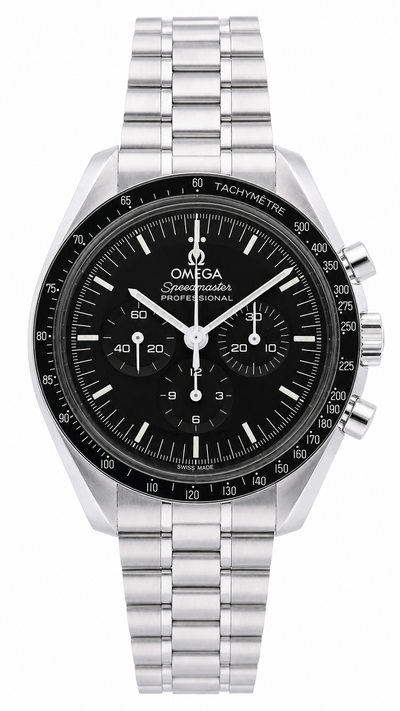
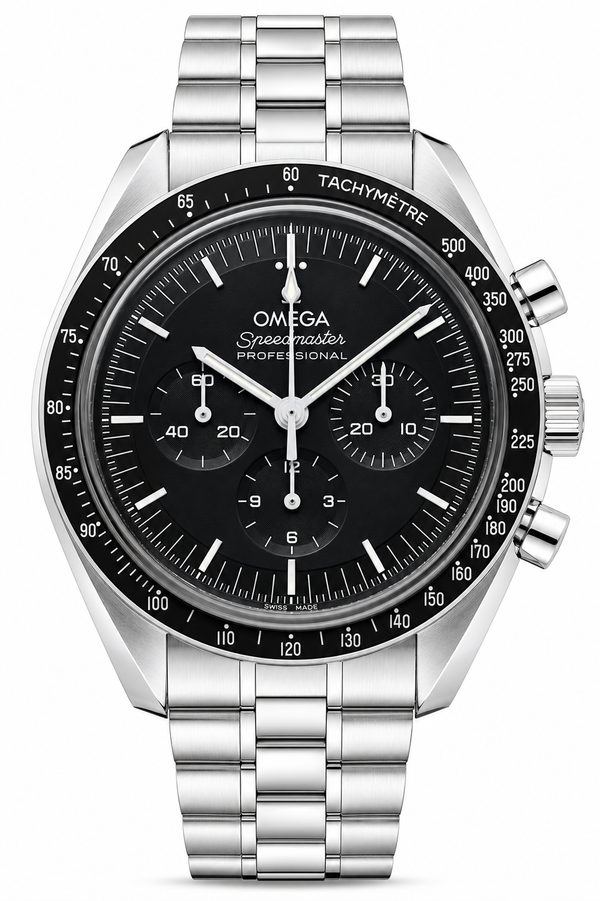
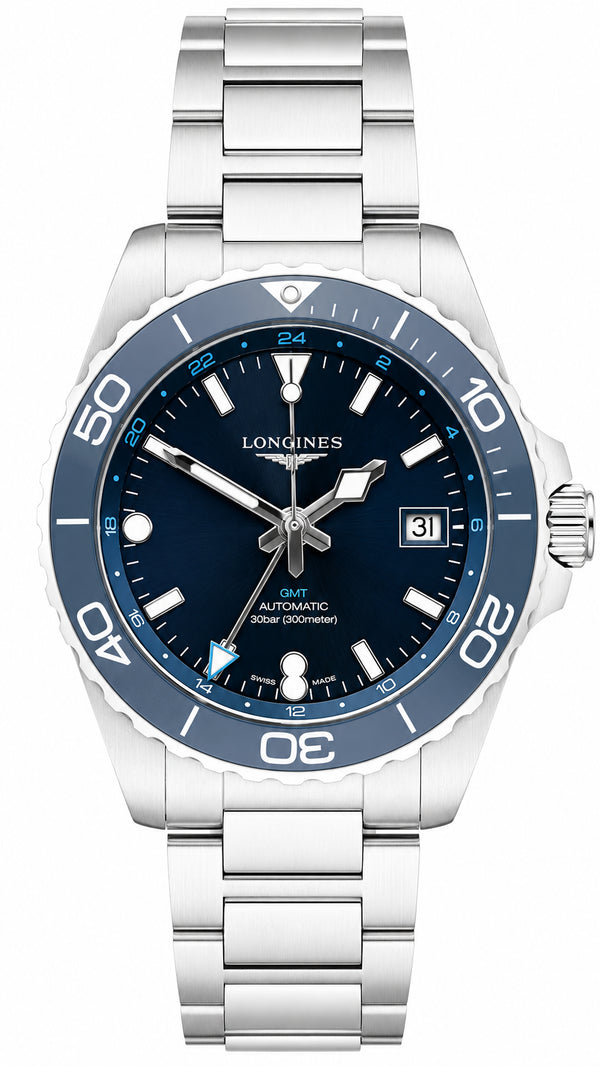
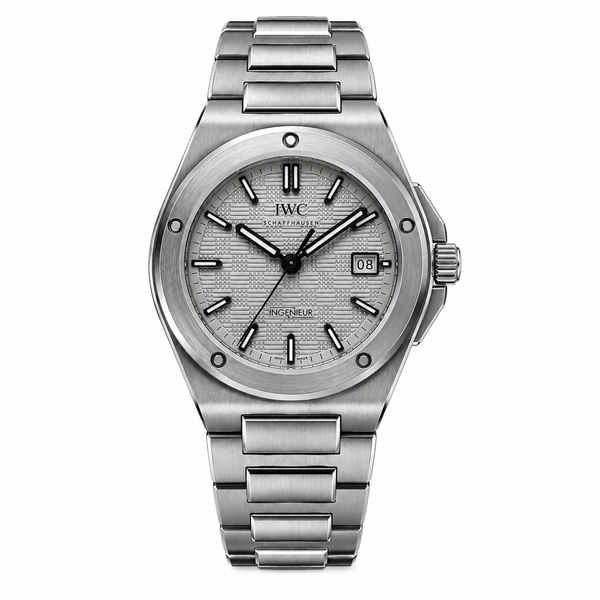
The bezel is the ring that frames the watch crystal. It protects the crystal and case from knocks and, on many models, holds the crystal securely in place. On numerous sports watches, however, it takes on another task: with the right scale it becomes a measuring instrument. Three watches from our range show how different this can look: the Omega Speedmaster Moonwatch Professional with a fixed tachymeter bezel, the Longines HydroConquest GMT with a rotating diving bezel and the IWC Ingenieur Automatic 40 with its characteristic screw bezel.
The key points
- The bezel protects crystal and case. As a raised rim, it absorbs impacts before they reach the crystal.
- With a scale, the bezel becomes a tool. A tachymeter, diving scale or 24-hour scale turns the ring into a measuring instrument.
- The bezel shapes the face of a watch. Material, shape and details such as screws or knurling make many models recognisable at first glance.
Fixed or rotating
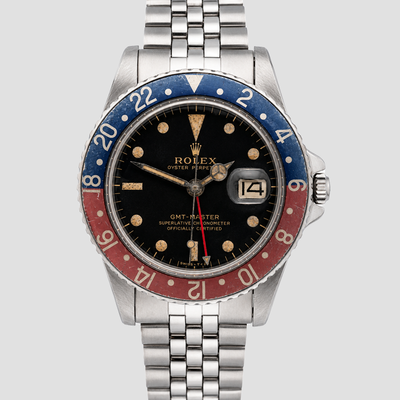
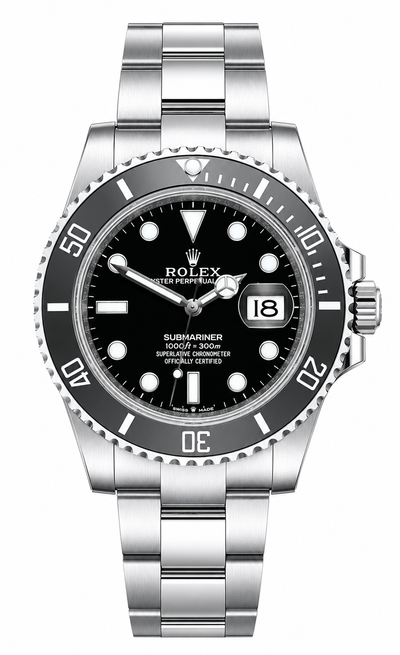
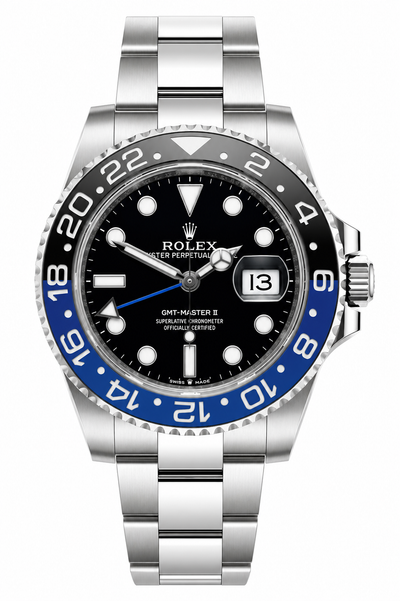
There are two basic designs. A fixed bezel is permanently attached to the case and carries a scale that cannot be adjusted. A rotating bezel sits on a ratchet mechanism and can be turned in steps, usually with 60 or 120 clicks per revolution. On dive watches it turns in one direction only, on many GMT watches in both directions. Materials include stainless steel, aluminium and increasingly ceramic, which is highly scratch-resistant and keeps its colour permanently. The properties of these materials are explained in Wissensdonnerstag #9: Steel, titanium or ceramic?
Tachymeter: reading speed
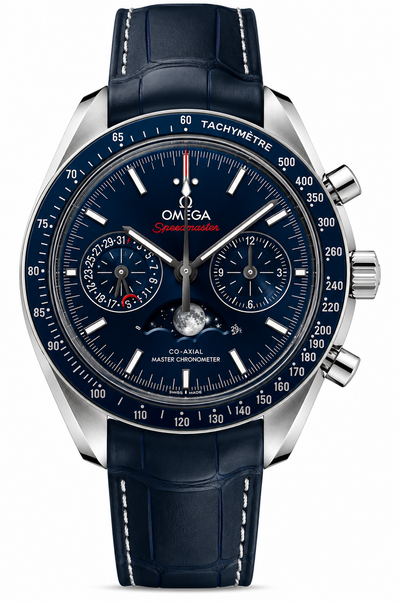
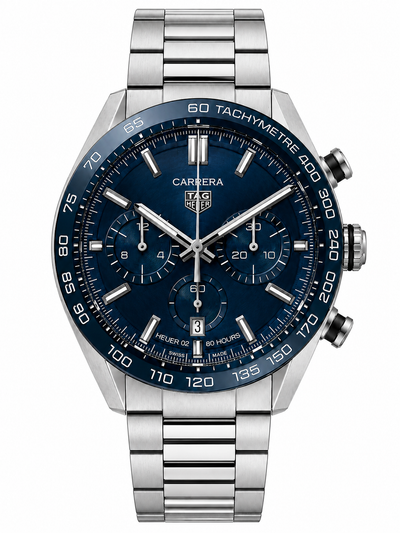
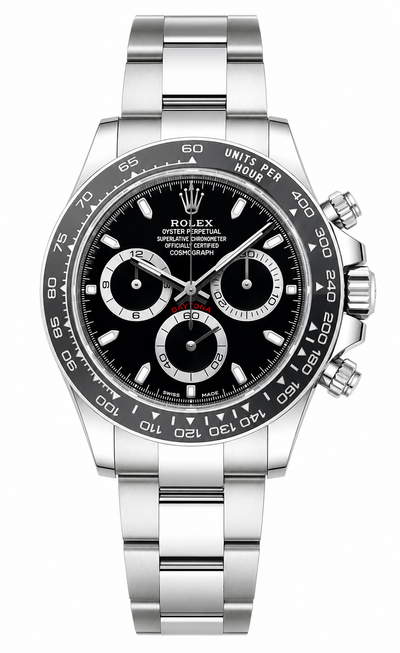
The Omega Speedmaster Moonwatch Professional has a fixed bezel with a tachymeter scale. Together with the chronograph, a stopped time becomes a speed: the chronograph is started at the beginning of a known distance and stopped at the end, and the speed can then be read directly on the scale. Behind this lies a simple calculation in which 3,600 seconds are divided by the measured time. The bezel of the current reference is made of steel with a black anodised aluminium insert. Collectors know one detail particularly well: the dot over 90, which goes back to the bezels of the Speedmaster models from the 1960s. Worked examples can be found in the article Tachymeter on a watch, and the stopwatch function is explained in Wissensdonnerstag #16: What can a chronograph do?
Diving bezel: keeping track of dive time
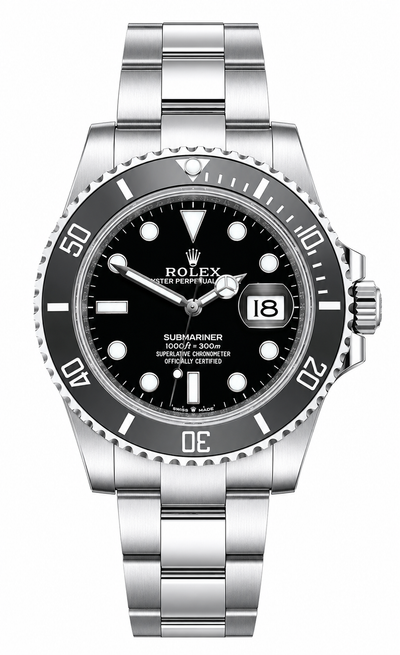
The Longines HydroConquest GMT has a unidirectional rotating bezel with a ceramic insert and a 60-minute scale. Before the dive, the triangle with its luminous pip is aligned with the minute hand, and the elapsed dive time can then be read directly. The bezel only turns anticlockwise. If it is moved accidentally, it shows a longer dive time and never a shorter one, which is the safe side. The ISO 6425 standard for diving watches requires such a device for monitoring dive time. On this model, the 24-hour scale for the second time zone sits on the dial edge, so the bezel remains reserved entirely for dive time. More on this in Wissensdonnerstag #7: What makes a real dive watch? and Wissensdonnerstag #3: What is a GMT watch and what is it for?
Design bezel: character instead of a scale
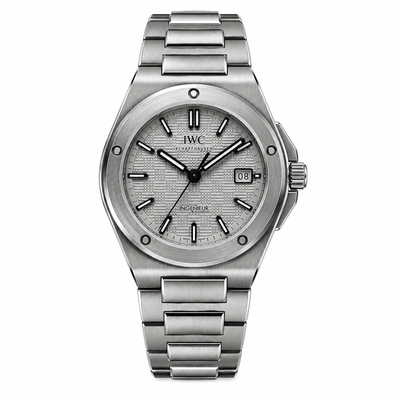
Not every bezel measures something. The IWC Ingenieur Automatic 40 features a fixed, round bezel with five screws. The motif goes back to the Ingenieur SL, which Gérald Genta designed for IWC in the 1970s and which was presented in 1976. On the historical model there were five recesses whose position varied slightly from watch to watch. On the current generation, five polygonal screws actually secure the bezel to the case and therefore always sit in the same place. Reference IW328904 is made entirely of titanium, including the case and integrated bracelet.
Examples from our range
The Omega Speedmaster Moonwatch Professional 310.30.42.50.01.002 combines the 42 mm steel case with a tachymeter bezel, a black step dial and the manual-winding calibre 3861 with a 50-hour power reserve. The Longines HydroConquest GMT L3.790.4.96.6 pairs a blue dial with a blue ceramic bezel, is water-resistant to 300 metres and is powered by the automatic calibre L844 with a 72-hour power reserve. The IWC Ingenieur Automatic 40 IW328904 shows a grey dial in a 40 mm titanium case, and calibre 32111 offers a 120-hour power reserve.
Further models can be found under Omega Speedmaster, Longines HydroConquest, IWC Ingenieur and in the overviews of dive watches, chronographs and GMT watches.
Frequently asked questions (FAQ)
Why does a diving bezel only turn in one direction?
For safety reasons. If the bezel is moved accidentally under water, it can only move in a way that shows a longer dive time. This always leaves enough reserve for the ascent.
Is a ceramic bezel fragile?
Ceramic is highly scratch-resistant and keeps its colour even in sunlight and salt water. Against hard blows, however, it is more brittle than metal. It proves itself well in everyday use, but a fall onto a hard surface can damage it. A replacement is then possible via a partner watchmaker.
Does a bezel need care?
With rotating bezels, sand, salt or dirt can build up in the ratchet mechanism. After swimming in the sea, it is therefore advisable to rinse the watch with fresh water with the crown closed. What water resistance means in everyday life is shown in Wissensdonnerstag #14: How water-resistant is a watch really?
Conclusion
The bezel is rarely just decoration. As a tachymeter it measures speed, as a diving scale it monitors dive time and as a design element it gives a watch its character. Whether an instrument on the wrist or a clear design feature is more convincing remains a matter of personal taste.
Wissensdonnerstag appears every week on Instagram and Facebook. Here in the watch magazine you will find each episode in more detail – with background, examples from our range and the most frequently asked questions.